Share
Tweet
Share
Share
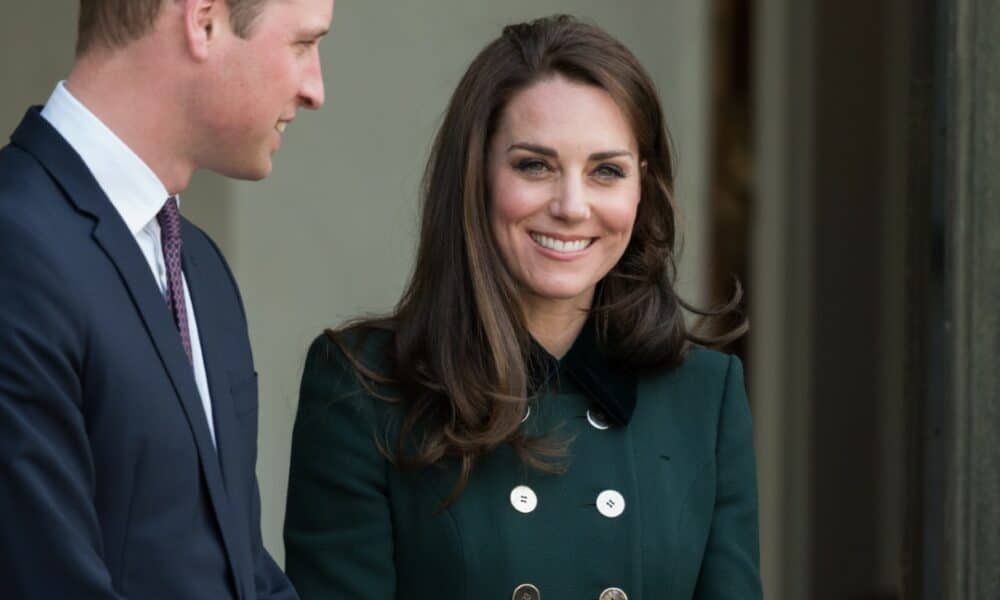
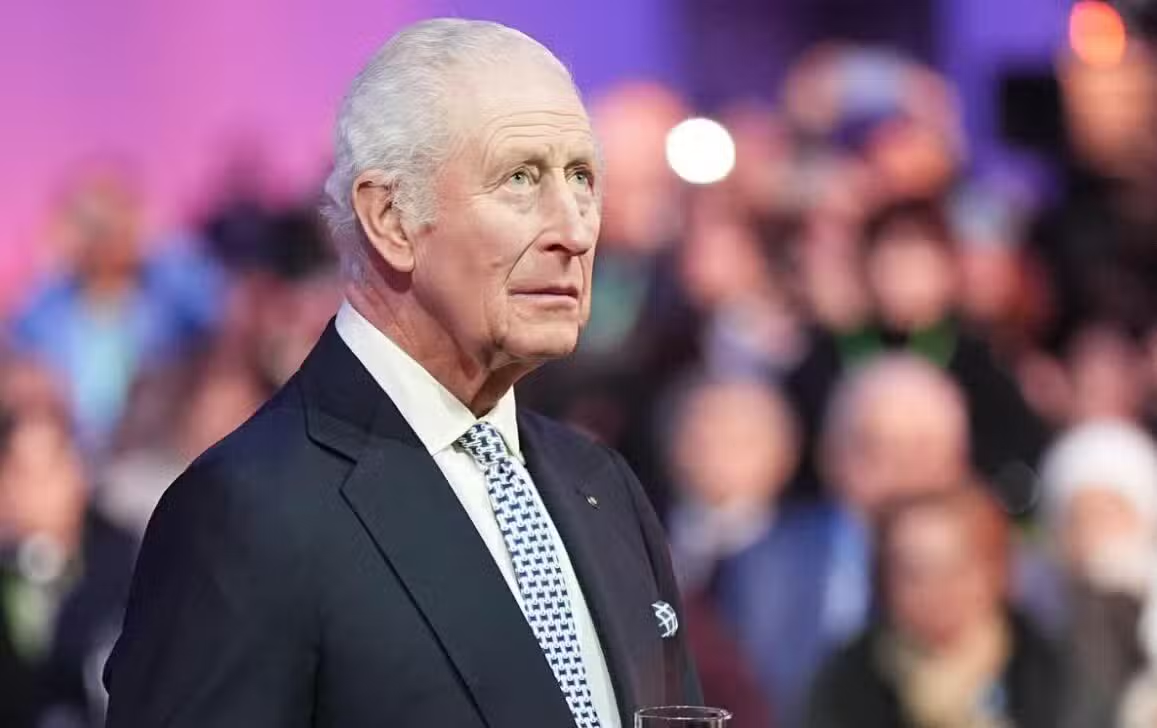
At 76, King Charles III confronts one of the most trying chapters of his reign, which began in September 2022 following the death of his mother, Queen Elizabeth II. Diagnosed with cancer in February 2024, the British monarch has seen his condition worsen, resisting treatment over the past year. In response, Buckingham Palace has activated a succession plan to prepare Prince William, his eldest son, to ascend the throne. Initiated by Charles himself, this move aims to safeguard the monarchy’s stability amid a period shadowed by health crises and institutional challenges. William, aged 42, and his wife, Kate Middleton, also 42, step into the spotlight as key figures in a transition that may unfold sooner than anticipated.
The king’s cancer was discovered after a procedure for a benign prostate enlargement early last year. Subsequent tests revealed a tumor, distinct from the prostate issue, though its exact type remains undisclosed. Since then, Charles has undergone extensive medical care, sharply curtailing his public duties. Meanwhile, William has taken on high-profile engagements, such as representing the king at the Notre-Dame Cathedral reopening in Paris in December 2024, signaling a gradual shift in responsibilities. Kate, who faced her own cancer diagnosis in January 2024, has cautiously resumed activities this year, balancing recovery with royal obligations.
Charles’s decision to trigger the succession process reflects both his health struggles and a commitment to the monarchy’s continuity. Known for its tradition and meticulous planning, the British succession rite has been expedited due to the severity of his condition. Having waited decades to reign, the king now entrusts his son with leading the United Kingdom and the 56-nation Commonwealth through turbulent times, including rising republican sentiments in countries like Australia and Jamaica.
Spotlight on the king’s health
Charles III ascended the throne after Elizabeth II’s 70-year reign, one of the longest in British history. His tenure, however, has been swiftly overshadowed by adversity. Diagnosed with cancer just over a year ago, his public engagements dropped from over 200 in 2024 to fewer than 50 this year. Recent reports indicate no remission, fueling speculation about his future. In March 2025, he was hospitalized due to treatment side effects, forcing the cancellation of a planned visit to Birmingham.
Breaking from royal tradition, Charles chose transparency about his illness to curb rumors. Yet, specifics about the cancer’s type or stage remain guarded, unlike the openness surrounding Kate Middleton’s remission, announced late last year. This disparity has led experts to suggest a graver prognosis for the king, with the absence of remission updates hinting at a challenging outlook.
William and Kate step up
Prince William, first in line to the throne, has long prepared for his role, but recent events have thrust him into an unexpected trial. Alongside his father’s illness, he supported Kate through her cancer battle, scaling back his 2024 commitments. With her recovery underway, the couple has ramped up their leadership efforts. William handled over 150 events last year, including 10 overseas trips, cementing his image as a future king ready to engage globally.
Kate’s schedule shrank from 120 engagements in 2023 to 40 in 2024 due to treatment, but she aims for 60 this year. Her work in early childhood education has reached over 2 million children, bolstering her influence during this transition. Together, they champion modern royal causes like sustainability and mental health, impacting around 5 million people in 2024.
William’s key duties: Diplomacy, managing royal estates, and international representation.Kate’s priorities: Early childhood education and mental health advocacy, despite recovery.Public support: The couple enjoys a 75% approval rating among Britons, compared to Charles’s 50%.Timeline of the health crisis
Key moments illustrate the king’s declining health and the monarchy’s response:
February 2024: Cancer diagnosed post-prostate procedure.October 2024: Charles faces protests during an Australian visit, one of his last public outings.December 2024: William stands in for the king at Notre-Dame’s reopening.March 2025: Hospitalization due to treatment side effects disrupts royal plans.
This timeline underscores the urgency of the succession shift amid ongoing uncertainties.
 Rei Charles III – Foto: InstagramMounting pressures on the crown
Beyond Charles’s health, the monarchy grapples with broader challenges. Of the 56 Commonwealth nations, 14 still recognize the monarch as head of state, but republicanism is gaining traction. Barbados severed ties in 2021, and up to 10 countries may hold referendums by 2030. Within the UK, 40% of citizens question the royal family’s annual 100-million-pound cost, though it generates 1.8 billion pounds economically, including 500 million from tourism.
William and Kate counter these pressures with modernization efforts. Their 2024 initiatives reached 5 million people, emphasizing sustainability and inclusion. Their higher approval ratings provide a lifeline for the monarchy’s relevance amid a turbulent period.
Preparing for the crown
William’s readiness for the throne has accelerated with his father’s illness. This year, he held over 20 meetings with foreign policy experts and oversaw royal projects raising 50 million pounds in donations. His background spans estate management and charity work, showcasing his ability to align the monarchy with contemporary needs.
Kate, despite health setbacks, remains active. Her 20 planned events this year focus on humanitarian causes like child development, impacting millions. Their combined approach aims to ensure a smooth transition, amid speculation of Charles possibly abdicating—a prospect yet to be officially addressed.
Commonwealth implications
Charles’s condition reverberates across the Commonwealth. Nations like Australia and Canada debate ending monarchical ties, while six others plan discussions this year. William and Kate’s rise will test their ability to sustain these connections through global outreach and initiatives.
With Charles’s travel and appearances curtailed, William’s increased presence at major events highlights the shift underway. This role reversal marks the dawn of a new era, requiring the monarchy to adapt to evolving global expectations.
Historical transitions in context
British royal successions often carry complexity. In 1936, Edward VIII’s abdication for Wallis Simpson elevated George VI. In 1952, George VI’s sudden death thrust Elizabeth II into power at 25, launching her 70-year reign. Elizabeth’s passing in 2022 marked Charles’s ascent, ending one era. Now, his illness signals another pivotal shift in short succession.
Charles’s reign, barely over two years, has been defined by health woes and institutional strain. Activating the succession plan aims to prevent disruption, with William and Kate poised as anchors for a monarchy seeking renewal while honoring its heritage.
Key figures supporting the shift
William and Kate’s preparation is backed by solid metrics:
William handled 80% of royal duties in 2024, stepping into his father’s shoes.Kate’s projects, even scaled back, reach 2 million children annually.The monarchy drives 1.8 billion pounds yearly, bolstering its economic case.
These stats reflect a structured transition, hastened by Charles’s condition.
Looking ahead
Charles’s declining health has placed the monarchy at a crossroads. As he focuses on treatment, William and Kate take the helm of an institution facing scrutiny over its worth and role. Their training spans royal protocol and modern outreach, a delicate balance amid economic, political, and health challenges testing the crown’s endurance.
Their popularity and focus on social causes offer a strong foundation. For centuries, the monarchy has adapted to change, and its future now hinges on William and Kate’s ability to lead through a transformative moment.