
Share
Tweet
Share
Share
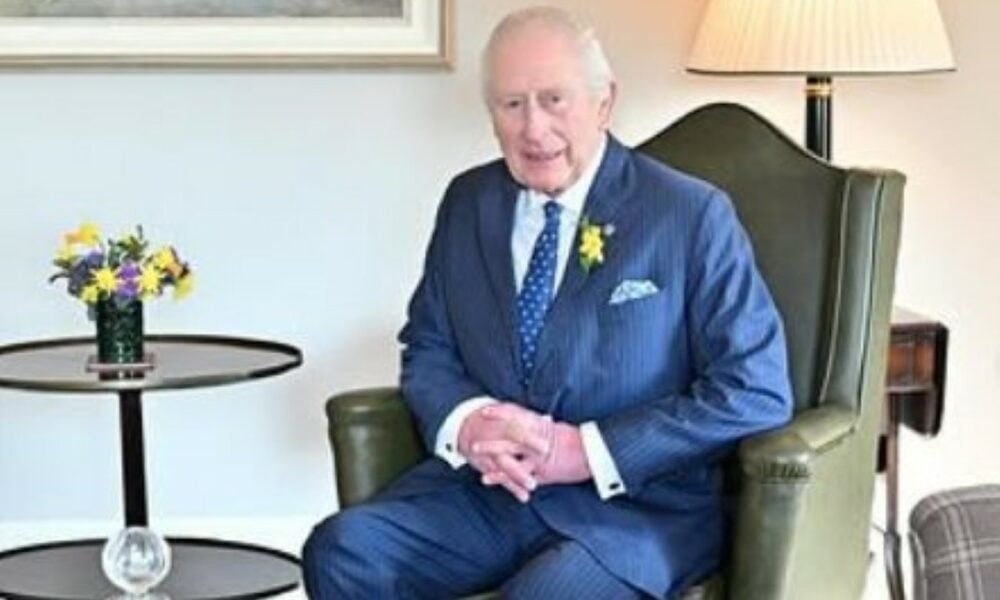
The fragile health of Charles III, diagnosed with cancer in February 2024, has thrust the British monarchy into a period of accelerated transition. At 76, the king, who ascended the throne in September 2022 following Elizabeth II’s death, faces a decline that has slashed his public duties from over 200 engagements in 2024 to fewer than 50 in 2025. This situation propels Prince William, 42, and Kate Middleton, also 42, into the spotlight, taking on critical roles to prepare for leadership of the United Kingdom and the 56 Commonwealth nations. As Charles battles a condition uncovered after treatment for benign prostate enlargement, succession plans gain urgency, with William shouldering 80% of his father’s responsibilities in 2025 and Kate resuming activities despite her own cancer diagnosis in January 2024.
William has ramped up his efforts, attending over 150 events in 2024, including the Notre-Dame Cathedral reopening in Paris, and spearheading initiatives that raised £20 million for mental health. Kate, though her schedule dropped from 120 to 40 engagements in 2024 due to treatment, plans 20 events in 2025, focusing on early childhood education. Together, they undergo intensive training in royal protocols, foreign policy, and estate management, aiming to modernize an institution that contributes £1.8 billion annually to the UK economy. Their 75% approval rating among Britons, compared to Charles’s 50%, underscores their role as key figures in ensuring the Crown’s stability during this uncertain time.
Uncertainty surrounds Charles’s reign, potentially one of the shortest since Edward VIII, fueling speculation of abdication, though no official word has emerged. Just two years ago, the monarchy celebrated the ascension of its oldest-ever king at 73, but now it adjusts to a reality of crisis, with William and Kate stepping up as central players to maintain continuity amid growing challenges.
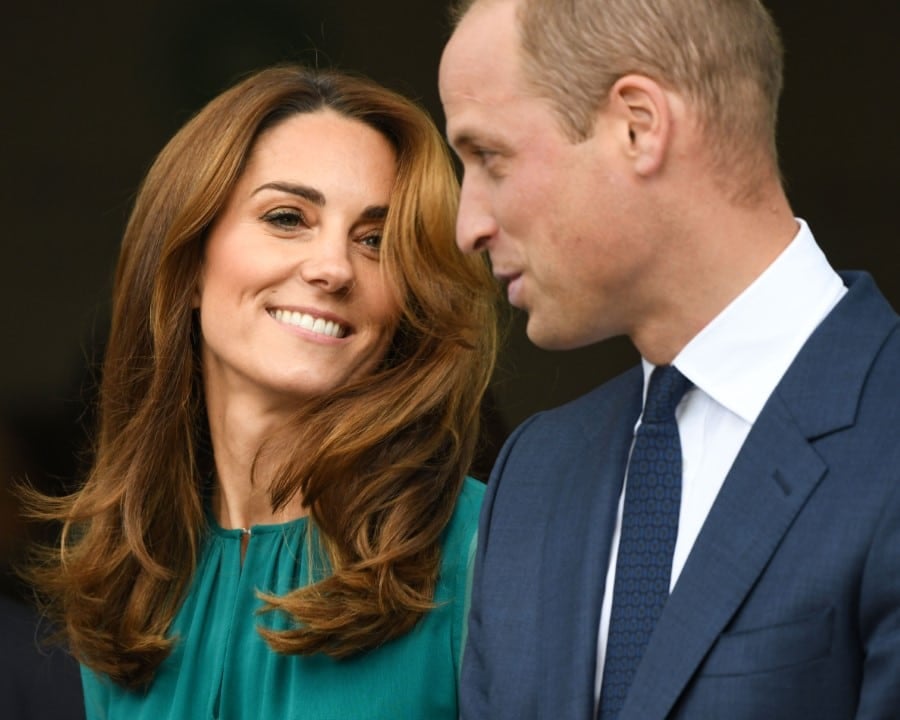 William e Kate – Foto: B. Lenoir / Shutterstock.comOptions for titles“How Charles III’s health crisis speeds up William and Kate’s path to the throne” (141 characters)“William takes on 80% of Charles III’s duties amid worsening cancer battle” (134 characters)“Charles III’s decline pushes William and Kate into royal succession spotlight” (139 characters)
I chose the title “How Charles III’s health crisis speeds up William and Kate’s path to the throne” for its clarity, informativeness, and focus on the link between the health crisis and succession, optimized for SEO and journalistic appeal.
The fragile health of Charles III, diagnosed with cancer in February 2024, has thrust the British monarchy into a period of accelerated transition. At 76, the king, who ascended the throne in September 2022 following Elizabeth II’s death, faces a decline that has slashed his public duties from over 200 engagements in 2024 to fewer than 50 in 2025. This situation propels Prince William, 42, and Kate Middleton, also 42, into the spotlight, taking on critical roles to prepare for leadership of the United Kingdom and the 56 Commonwealth nations. As Charles battles a condition uncovered after treatment for benign prostate enlargement, succession plans gain urgency, with William shouldering 80% of his father’s responsibilities in 2025 and Kate resuming activities despite her own cancer diagnosis in January 2024.
William has ramped up his efforts, attending over 150 events in 2024, including the Notre-Dame Cathedral reopening in Paris, and spearheading initiatives that raised £20 million for mental health. Kate, though her schedule dropped from 120 to 40 engagements in 2024 due to treatment, plans 20 events in 2025, focusing on early childhood education. Together, they undergo intensive training in royal protocols, foreign policy, and estate management, aiming to modernize an institution that contributes £1.8 billion annually to the UK economy. Their 75% approval rating among Britons, compared to Charles’s 50%, underscores their role as key figures in ensuring the Crown’s stability during this uncertain time.
Uncertainty surrounds Charles’s reign, potentially one of the shortest since Edward VIII, fueling speculation of abdication, though no official word has emerged. Just two years ago, the monarchy celebrated the ascension of its oldest-ever king at 73, but now it adjusts to a reality of crisis, with William and Kate stepping up as central players to maintain continuity amid growing challenges.
Charles III’s decline strains the monarchy
Charles III confronts a cancer battle that has reshaped his role as monarch. Diagnosed in February 2024 after a prostate procedure, his engagements plummeted from over 200 in 2024 to under 50 in 2025, reflecting the toll of ongoing treatment. Buckingham Palace remains tight-lipped about the cancer type, but the lack of remission signals deepens concerns about his ability to lead.
Previously, Charles undertook 25 international trips in 2023, a number that shrank to fewer than 10 in 2024. This reduction paved the way for William to take on 80% of his duties in 2025, including managing royal estates and diplomatic engagements. The health crisis not only limits the king but also forces the royal family to redistribute roles, with Kate contributing despite her recovery, highlighting the pressing need for a smooth transition.
William steps into the forefront
Prince William has emerged as the monarchy’s primary stand-in, expanding his public and administrative presence. In 2024, he participated in over 150 events, a 30% increase from the previous year, ranging from international visits to charity drives. A standout moment was his attendance at the Notre-Dame reopening in Paris in December, underscoring his growing global role.
Additionally, William raised £20 million for mental health projects in 2024, reaching 5 million beneficiaries, and took charge of key royal institutions like the Duchy of Cornwall, which generates £20 million yearly. His 10 meetings with foreign policy experts in 2025 bolster his preparation for the throne, while his 75% approval rating among Britons solidifies him as a trusted figure in turbulent times.
Kate Middleton: strength amid recovery
Kate Middleton, despite her cancer diagnosis in January 2024, remains a vital part of the succession plan. Following abdominal surgery that revealed the illness, she cut her engagements from 120 in 2023 to 40 in 2024, prioritizing recovery. For 2025, she plans 20 events, focusing on early childhood education, an area where her initiatives supported 2 million children last year.
Her resilience has boosted her popularity, with 70% of Britons viewing her as “relevant” to the monarchy, compared to 55% for Charles. Even with her health compromised, Kate plays an active role in modernizing the Crown, supporting William in efforts that generated £50 million in donations in 2024, enhancing their image as the future of the royal family.
Numbers reveal the shift
The changing roles within the monarchy are clear in the data:
Charles: from 200 engagements in 2024 to fewer than 50 in 2025.William: over 150 events in 2024 and 80% of the king’s duties in 2025.Kate: from 120 events in 2023 to 40 in 2024, with 20 planned for 2025.
These figures illustrate the rapid pace of the succession unfolding, with the couple taking the reins at an unprecedented rate.Succession takes center stage
With Charles III’s health faltering, the line of succession comes into sharp focus. William, first in line, prepares to ascend the throne, with Kate as the future Queen Consort. Their children—George, Charlotte, and Louis—follow, with 11-year-old George already attending five public events in 2024, a gentle introduction to his future role.
Harry, fifth in line, followed by Archie and Lilibet, remains detached from royal duties since stepping back in 2020. William and Kate’s preparation, including 10 international trips and 20 strategic meetings in 2025, underscores their centrality, while George begins his public journey, ensuring the dynasty’s longevity.
Challenges of a modern monarchy
The transition unfolds amid mounting pressures on the British monarchy’s relevance. Of the 56 Commonwealth nations, 14 still recognize the monarch as head of state, but republican sentiment grows—Barbados severed ties in 2021, and 10 others plan referendums by 2030. The institution’s £100 million annual cost faces scrutiny, with 40% of Britons questioning its worth in 2024 polls, despite its £1.8 billion economic contribution, including £500 million from tourism.
William and Kate counter this with modernization efforts, reaching 5 million people through charity in 2024. Their 75% approval, against Charles’s 50%, is a critical asset, especially as six Commonwealth nations debate their status in 2025, where their 20% higher approval could preserve connections.
Lessons from royal history
British history provides context for the current shift. In 1936, Edward VIII abdicated after less than a year, succeeded by George VI. In 1952, George VI’s death elevated Elizabeth II to the throne at 25, launching a 70-year reign. Charles, crowned at 73 in 2022, may face one of the briefest reigns, hastening William’s rise amid a health crisis.
These past transitions reveal the complexity of sudden changes. William and Kate’s focus on modernity and popularity aims to prevent instability, aligning the monarchy with contemporary demands.
Economic stakes at play
The monarchy pumps £1.8 billion into the UK economy annually, but its future is under scrutiny. Tourism alone brought in £500 million in 2024, while William and Kate’s initiatives raised £50 million for charity. Charles’s approval, dropping from 65% in 2023 to 50% in 2025, contrasts with the couple’s appeal, vital for sustaining this financial impact.
With six Commonwealth nations set to discuss their allegiance in 2025, William and Kate’s ability to maintain ties with the organization’s 2.5 billion citizens will be tested. Their 20% higher approval could prove decisive in averting further breaks.
Timeline of the health crisis
Recent events map the crisis’s progression:
February 2024: Charles diagnosed with cancer post-prostate procedure.January 2024: Kate’s cancer discovered after abdominal surgery.December 2024: William leads Notre-Dame reopening in Paris.2025: Charles cuts engagements to under 50, with William taking 80% of duties.
This timeline highlights the swift shift underway.Resilience of the royal couple
Despite personal challenges, William and Kate display strength. He maintained a robust 2024 schedule with over 150 events, while she, with 40 engagements, plans 60 for 2025. Their mental health and education projects reached 7 million people in 2024, lifting their approval by 10% since 2023.
This determination bolsters the monarchy at a pivotal moment. Charles’s international trips fell from 25 in 2023 to fewer than 10 in 2024, signaling the need for new leadership, which the couple assumes with vigor and public support.
Gearing up for a new reign
William completed 10 international trips in 2025, while Kate plans 20 events, emphasizing social causes. Their 2024 efforts yielded £50 million in donations, and William’s management of royal estates ensures financial stability. Their 75% approval reflects public trust in their leadership.
The monarchy, untested by a transition in 70 years, adapts to an uncertain future. With Charles under intensive care, William and Kate’s rise nears, challenging them to balance tradition and modernity in a changing world.
Details shaping the future
Key elements define the couple’s preparation:
Mental health: William’s projects aided 5 million in 2024.Early education: Kate’s initiatives reached 2 million children.Popularity: 75% approval, versus Charles’s 50%.
These factors position William and Kate as the Crown’s hope amid 2025’s challenges.  British monarchy succession, Câncer, Charles III, Charles III câncer 2025, Charles III health decline, Commonwealth, Commonwealth transition 2025, health, Kate Middleton, Kate Middleton cancer impact, monarchy, succession, transition, United Kingdom, William, William and Kate royal succession, William prepares for throne