Share
Tweet
Share
Share
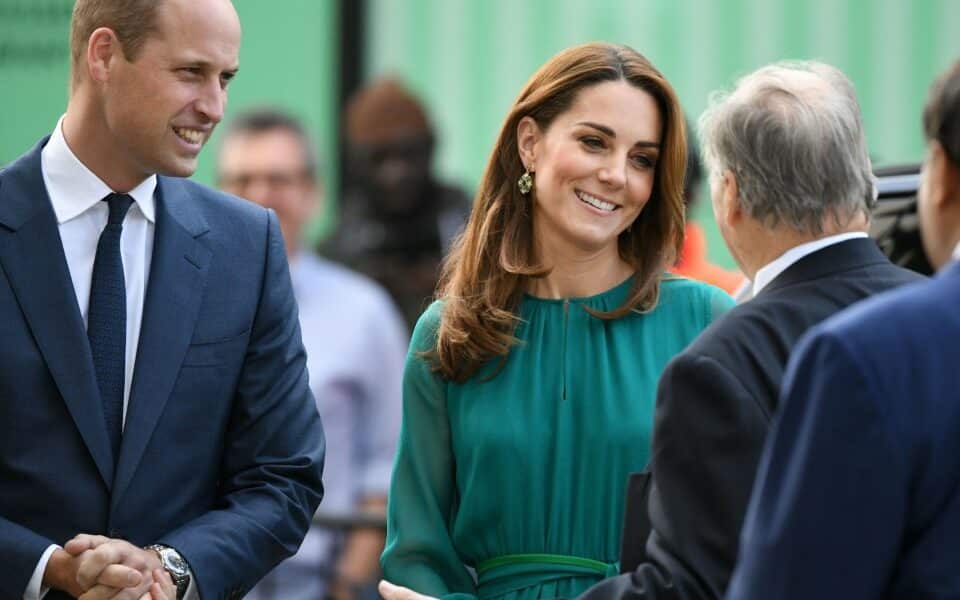
The British monarchy stands at a pivotal juncture in 2025, driven by King Charles III’s worsening health following a cancer diagnosis in February 2024. Now 76, the king faces a condition showing no signs of remission, sharply reducing his public appearances and shifting the bulk of royal duties to Prince William, 42, and Kate Middleton, also 42. Charles ascended the throne in September 2022 after Queen Elizabeth II’s death, but his reign, now over two years, may end sooner than anticipated due to the limitations his illness imposes. While Buckingham Palace keeps details of the cancer under wraps, preparations for William and Kate to lead the United Kingdom and its 56 Commonwealth nations have intensified, signaling the start of a historic transition that could reshape the Crown’s future.
Charles III’s public engagements have dwindled significantly under the strain of his condition. In 2024, he attended over 200 events, but this year, that figure dropped to fewer than 50, reflecting the toll of intensive treatment. William has stepped up, handling roughly 80% of his father’s responsibilities in 2025, including 10 international trips, while Kate, despite her own cancer diagnosis in January 2024, plans a gradual return with 20 engagements. The king’s fragile health, first detected after a benign prostate enlargement procedure, has upended the royal family’s dynamics, pushing efforts to ensure stability amid uncertainty. With the couple’s approval rating hitting 75% among Britons in 2025, compared to Charles’s 50%, public trust in their leadership offers a lifeline to the monarchy’s relevance.
Training for William and Kate extends far beyond ceremonial roles, encompassing global diplomacy, estate management, and social initiatives. Last year, William raised £20 million for mental health projects, a 15% increase from 2023, while Kate’s focus on early childhood education supported 2 million children despite her health challenges. Together, they secured £50 million in charitable donations in 2024, up 25% from the previous year, bolstering their image as engaged leaders. The monarchy, contributing £1.8 billion annually to the UK economy—including £500 million from tourism—relies on this shift to maintain its standing as debates over its value intensify.
Charles III’s health reshapes royal duties
King Charles III’s declining health throughout 2025 has emerged as a defining force in altering the British monarchy’s course. Diagnosed with cancer in February 2024 after a prostate procedure, his public schedule shrank dramatically, dropping from 25 international trips in 2023 to under 10 in 2024. The lack of detailed updates on the cancer’s type or stage fuels speculation, but its persistent severity has prompted Buckingham Palace to prioritize succession planning. Though Charles retains core duties like private meetings with the prime minister and signing official documents, his capacity for high-profile appearances has waned, thrusting William into the spotlight.
William now shoulders an unprecedented load, representing the king in diplomatic arenas and overseeing estates like the Duchy of Cornwall, which generates substantial income. In 2024, he spearheaded efforts that raised £20 million for mental health initiatives, a 15% jump from the prior year, underscoring his commitment to social impact. This accelerated transition aims to safeguard the monarchy’s stability, a key institution that pumps £1.8 billion into the UK economy annually, despite 40% of Britons questioning its £100 million yearly cost in recent surveys.
Global pressures further complicate the picture. The Commonwealth, spanning 56 nations and 2.5 billion people, faces growing republican sentiment. Barbados ditched the monarchy in 2021, and six others, including Jamaica and Australia, plan separation debates in 2025. William and Kate’s ability to reinforce these ties, backed by their 20% higher global approval compared to the royal average, will be critical to preserving the Crown’s international influence.
William steps up with 80% of royal workload
Taking on the lion’s share of Charles III’s duties has thrust William into a central role in 2025. He conducted over 20 meetings with foreign policy experts and led 10 international trips this year, honing his diplomatic prowess. In December 2024, he stood in for the king at the Notre-Dame Cathedral reopening in Paris, a moment that underscored his rising prominence. His oversight of the Duchy of Cornwall also hit new financial highs, reinforcing the monarchy’s economic backbone during turbulent times.
William’s dedication to social causes shines through as well. In 2024, he raised £20 million for mental health programs, reaching millions, while his Earthshot Prize sustainability initiative impacted 5 million beneficiaries. These efforts counter criticism over the monarchy’s £100 million annual cost, painting him as a future king attuned to modern needs. His approval rating, climbing to 75% alongside Kate’s in 2025, reflects broad public support for this shift.
Key actions by William in 2025:Led 10 international trips.Raised £20 million for mental health.Boosted Duchy of Cornwall revenue. 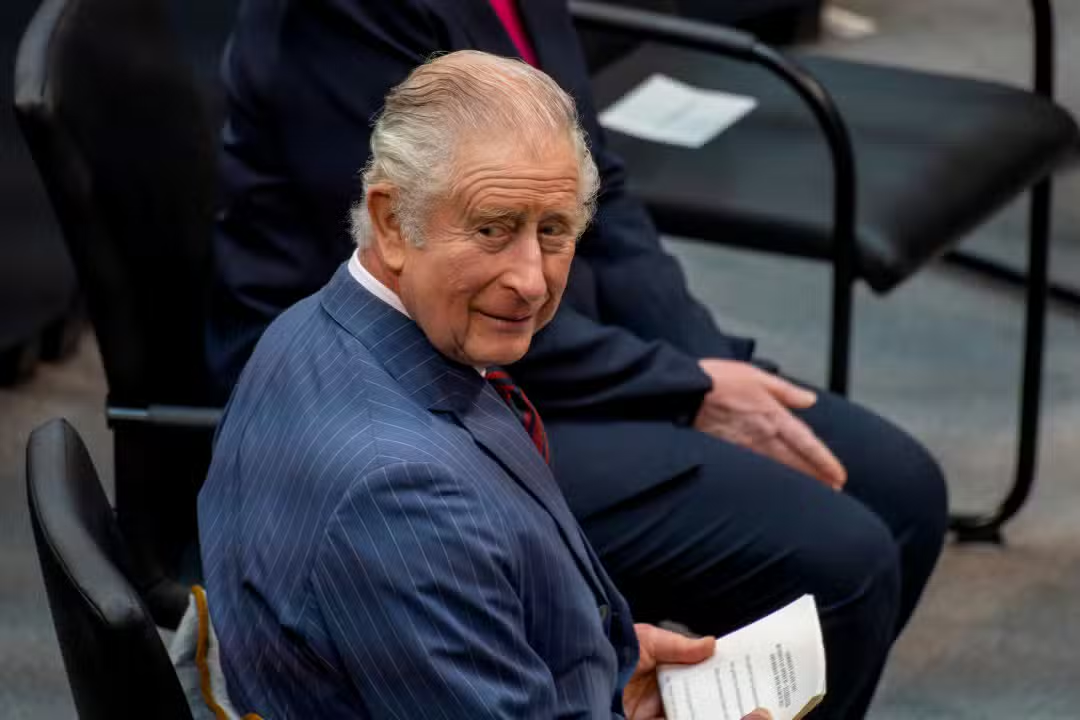 King Charles – Heide Pinkall / Shutterstock.comKate Middleton returns with resilience
Kate Middleton’s determination shines despite her cancer diagnosis in January 2024, with plans for 20 engagements in 2025. Last year, her public appearances fell from 120 to 40 due to treatment, but she aims to ramp up to 60 events this year, focusing on early childhood education and mental health. Her work supported 2 million children in 2024, cementing her as a vital royal figure even amid personal challenges.
Her health journey began with abdominal surgery that uncovered the cancer, sidelining her for much of 2024. Now, her phased return highlights her commitment, with events planned to advance childhood development—a cause that saw the couple’s donations rise 25% to £50 million last year. Kate and William’s approval, up from 65% in 2023 to 75% in 2025, signals Britons’ faith in their leadership through this dual health crisis.
Rigorous training for the throne
Preparing to lead the monarchy demands a broad skill set from William and Kate, far beyond public appearances. The couple undergoes intensive training in royal protocols, estate management, and global diplomacy, bracing for an earlier-than-expected ascension. William held over 20 foreign policy briefings in 2025, while Kate, despite treatment, drives early childhood efforts that reached millions last year.
Modernizing the Crown tops their agenda. Facing scrutiny over its £100 million yearly cost, they’ve countered with £50 million in 2024 donations, up 25% from 2023, aiding 5 million people. This hands-on approach bridges the monarchy to younger audiences and tackles the 40% of Britons doubting its worth in recent polls.
Their children are also being eased into royal life. Prince George, 11, joined five public events in 2024, like charity visits, mirroring William’s start at age 10. Charlotte and Louis, second and third in line, follow suit, ensuring the lineage’s future as the transition unfolds.
Timeline of health crisis and succession
Recent milestones highlight the monarchy’s swift adaptation. Charles III’s cancer emerged in February 2024 post-prostate procedure. Kate began treatment in January 2024 after abdominal surgery revealed her diagnosis. In December 2024, William represented the king at Notre-Dame’s reopening. By early 2025, Charles’s worsening state fast-tracked succession, with William taking on 80% of his duties.
These events, spanning less than two years, reshaped royal priorities. Charles’s international trips plummeted from 25 in 2023 to under 10 in 2024, while William’s role surged, spotlighting the transition’s urgency.
Commonwealth navigates global pressures
The monarchy grapples with mounting challenges across the Commonwealth’s 56 nations and 2.5 billion citizens. While 14 retain the monarch as head of state, republicanism grows. Barbados cut ties in 2021, and six others, including Jamaica and Australia, eye 2025 debates on independence. William and Kate, with approval 20% above the royal norm, must prove the Crown’s global value to stem this tide.
Domestically, the monarchy’s £100 million annual cost draws flak, though it yields £1.8 billion for the UK economy, including £500 million from tourism in 2024. The couple’s 75% approval versus Charles’s 50% in 2025, paired with charity efforts aiding 5 million in 2024, bolsters their case for relevance.
Lessons from past royal shifts
History offers context for today’s upheaval. Edward VIII’s 1936 abdication for Wallis Simpson paved the way for George VI. George VI’s sudden 1952 death crowned Elizabeth II at 25, launching her 70-year reign. Elizabeth II’s 2022 passing made Charles III king at 73, the oldest to ascend. Now, his faltering health may mark his reign as the shortest since Edward VIII, hastening William’s rise.
Abrupt transitions demand agility. William and Kate’s governance and diplomacy training, alongside George’s early duties, echo this need for readiness.
Monarchy’s economic and social footprint
The monarchy drives £1.8 billion into the UK economy yearly, with £500 million from tourism in 2024, yet its £100 million cost sparks debate. Some 40% of Britons question its value, per recent polls. William and Kate counter with £50 million in 2024 donations, up 25% from 2023, reaching 5 million people.
Their initiatives—William’s Earthshot Prize and Kate’s childhood campaigns—tie the Crown to sustainability and well-being, key to sustaining support amid Charles’s health woes and republican stirrings.
Path to a new royal chapter
As Charles III undergoes intensive care, the monarchy braces for a seismic shift. William’s 10 global trips and Kate’s 20 planned 2025 engagements mark an ongoing power handover. Their 75% approval, 20% above the royal average, steadies the ship as six Commonwealth nations debate republicanism this year.
This shift, the first in seven decades, challenges William and Kate to blend tradition with progress. With George groomed as next in line, their resilience hints at a stronger Crown emerging from this crisis.