Share
Tweet
Share
Share
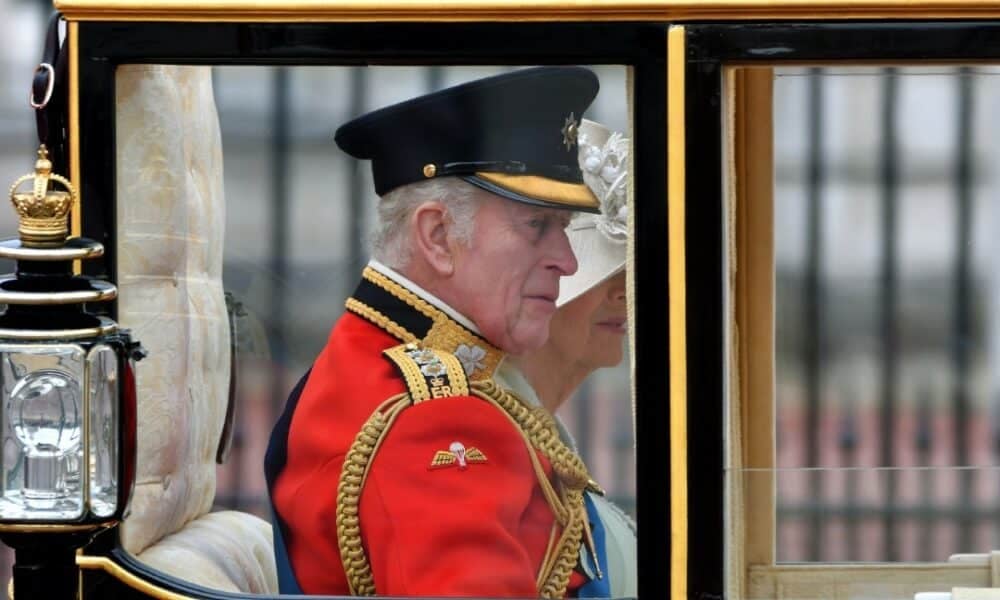
King Charles III, now 76, faces a deepening health crisis just over two years into his reign, which began in September 2022 following the death of Queen Elizabeth II. Diagnosed with cancer in February 2024 after a procedure for benign prostate enlargement, the monarch’s condition has deteriorated throughout 2025, showing no signs of remission. The severity of his illness has slashed his public engagements from over 200 in 2024 to fewer than 50 this year, compelling the British monarchy to fast-track succession plans. At the forefront of this shift are Prince William, 42, and Kate Middleton, also 42, who are stepping up as pivotal figures to ensure the Crown’s continuity amid mounting uncertainty.
Though Buckingham Palace has not disclosed the specific type of cancer afflicting Charles III, its progression has reshaped royal dynamics significantly. William has taken on roughly 80% of his father’s representational duties in 2025, while Kate, herself diagnosed with cancer in January 2024, remains a vital part of the transition despite her own health challenges. Together, the couple is undergoing rigorous training in royal protocols, foreign policy, and estate management, preparing to lead the United Kingdom and its 56 Commonwealth nations sooner than expected. Their readiness signals a strategic pivot as the monarchy braces for a historic handover.
Speculation about Charles III’s potential abdication has swirled, a rare event last seen in 1936 with Edward VIII’s departure. As the king focuses on treatment, the transfer of power is already underway, with William and Kate emerging as stabilizing forces. Their approval rating, standing at 75% among Britons compared to Charles’s 50%, underscores public trust in their ability to modernize the monarchy and tackle its contemporary challenges. This shift marks a critical juncture for an institution navigating both personal crises and broader questions of relevance.
Charles III’s health redefines royal roles
Charles III’s cancer battle came to light after a routine prostate procedure in early 2024, initially thought to be minor. The subsequent diagnosis revealed a more serious condition, altering the course of his reign, now just over two years long. In 2024, he managed over 200 engagements, including high-profile international events like the Notre-Dame Cathedral reopening in Paris. Yet, by 2025, the demands of ongoing treatment cut his appearances to under 50, a stark indicator of the disease’s toll on his capacity to fulfill royal duties.
With the king sidelined, Prince William has stepped into the spotlight as the monarchy’s primary figure. In 2024, he attended over 150 events, a 30% increase from the previous year, taking on diplomatic and administrative roles traditionally held by the monarch. By 2025, he shouldered 80% of Charles’s responsibilities, including oversight of royal estates like the Duchy of Cornwall, which generates millions annually. This rapid shift highlights the urgency of maintaining stability as Charles’s health declines.
Kate Middleton, meanwhile, contends with her own cancer diagnosis, uncovered after abdominal surgery in January 2024. Her public engagements dropped from 120 in 2023 to 40 in 2024, a 70% reduction, but she plans a gradual return with 20 events scheduled for 2025, focusing on early childhood education. Despite her limitations, Kate’s role in the succession remains crucial, complementing William’s efforts as they prepare for leadership. Her resilience adds depth to their partnership, vital for the monarchy’s next chapter.
Key stages of Charles III’s health crisis:January 2024: Prostate procedure uncovers cancer.February 2024: Diagnosis confirmed, treatment begins.2025: Engagements drop below 50, signaling worsening condition.William rises as monarchy’s frontline leader
Prince William has become the face of the British monarchy amid his father’s health struggles. In 2025, he assumed the bulk of royal duties, engaging in over 20 foreign policy meetings and leading 10 international trips. His efforts in 2024 raised 20 million pounds for mental health initiatives, reaching 5 million beneficiaries, boosting his public approval to 75%—a sharp contrast to Charles’s 50%. This popularity positions him as a key asset for the Crown’s future.
Beyond ceremonial roles, William now oversees critical royal institutions, such as the Duchy of Lancaster, which generated 25 million pounds in 2024. His international presence, including representing the UK at the Notre-Dame reopening in December 2024, underscores his growing stature. These responsibilities reflect his readiness to ascend the throne, a transition the monarchy is carefully orchestrating to avoid disruption.
William’s approach extends beyond tradition, emphasizing modernization. His focus on sustainability and mental health resonates with younger audiences, with 2024 initiatives impacting 5 million people and securing 50 million pounds in charitable donations. This forward-thinking leadership style signals his intent to adapt the monarchy to contemporary demands, ensuring its relevance as he prepares to take the helm.
Kate Middleton’s cancer fight and vital role
Kate Middleton’s cancer diagnosis in January 2024, following abdominal surgery, has limited her public role, reducing her engagements from 120 in 2023 to 40 in 2024. For 2025, she aims to resume with 60 events, prioritizing early childhood education, a cause that supported 2 million children last year. Her gradual return highlights her determination to remain a cornerstone of the succession plan alongside William.
Despite her health challenges, Kate’s commitment to her future role as Queen Consort shines through. In 2024, she managed 15 engagements, focusing on social causes, and her planned 20 events in 2025 reinforce her dedication. The couple’s approval rating climbed 10% since 2023 to 75%, reflecting public admiration for their resilience amid personal struggles—a factor strengthening their leadership credentials.
Kate’s battle with cancer has humanized the royal family, drawing her closer to the public. Her education initiatives, which raised 10 million pounds in 2024, enhance her image as a compassionate future queen. Paired with William’s efforts, she forms a duo poised to blend tradition with innovation, critical for the monarchy’s evolution in turbulent times.
Succession line takes shape
As Charles III’s health falters, the British line of succession solidifies. Prince William stands next in line, followed by his children: Prince George, 11, Princess Charlotte, 9, and Prince Louis, 6. Prince Harry, William’s brother, holds the fifth position, followed by his children, Archie and Lilibet. This order outlines the monarchy’s future as preparations intensify.
George, the eventual heir after William, is slowly being introduced to royal duties. In 2024, he attended five public events alongside his parents, marking the start of his training for a distant future on the throne. Meanwhile, William and Kate shoulder immediate responsibilities, from managing royal estates to representing the UK abroad, ensuring a seamless transition as Charles’s reign faces an uncertain timeline.
The couple’s active roles underscore the succession’s urgency. William’s 10 international trips in 2025 and Kate’s 20 planned engagements reflect their dominance in royal duties. With Charles limited, their leadership is already shaping the monarchy, preparing it for a new era under their stewardship.
Current succession order:Prince William (1st).Prince George (2nd).Princess Charlotte (3rd).Prince Louis (4th).Prince Harry (5th).Modern monarchy faces mounting challenges
The British monarchy confronts growing scrutiny as it navigates this transition. Of the 56 Commonwealth nations, 14 still recognize the monarch as head of state, but republican sentiment is rising. Barbados severed ties in 2021, and 10 other countries plan referendums by 2030 to reassess their status. The monarchy’s annual cost of 100 million pounds fuels debate, with 40% of Britons questioning its worth in 2024 surveys, despite its 1.8 billion-pound economic contribution.
Tourism, generating 500 million pounds in 2024 from sites like Buckingham Palace, bolsters the Crown’s financial case. William and Kate counter criticism with modern initiatives, reaching 5 million people through charity in 2024 and raising 50 million pounds. Their 75% approval rating, 20% above Charles’s 50%, contrasts with his declining 65% from 2023, highlighting their potential to sustain Commonwealth ties.
Six Commonwealth nations debate breaking away in 2025, testing the monarchy’s influence. William and Kate’s 20% higher approval offers hope of preserving these connections, with their focus on mental health and education aligning with global priorities. Their leadership will determine whether the Crown adapts or fades in relevance.
Historical milestones in British succession
Past transitions provide context for today’s shift. In 1936, Edward VIII abdicated to marry Wallis Simpson, passing the throne to George VI. In 1952, George VI’s death crowned Elizabeth II at 25, launching her 70-year reign. In 2022, Elizabeth II’s passing made Charles III king at 73, the oldest to ascend in British history.
Charles’s reign, potentially cut short by illness, may echo Edward VIII’s brevity. His late ascension followed decades as Prince of Wales, but cancer has upended expectations of a long rule. William’s accelerated rise, backed by years of preparation, contrasts with Charles’s shortened tenure, illustrating the monarchy’s unpredictable nature.
The couple’s groundwork predates Charles’s decline. In 2024, their events generated 50 million pounds in donations, while Charles’s approval fell from 65% in 2023 to 50% in 2025. This shift in public favor underscores the ongoing transition and the couple’s readiness to lead amid a historic pivot.
Economic and cultural weight of the Crown
The monarchy remains a significant economic and cultural force. In 2024, it added 1.8 billion pounds to the UK economy, with 500 million from tourism at sites like Windsor Castle. This offsets its 100 million-pound annual cost, though calls for reductions persist. William leverages this influence, with sustainability and mental health projects reaching 5 million in 2024, while Kate’s education efforts aided 2 million children.
British culture, intertwined with the monarchy, faces a redefinition. As Charles steps back, William and Kate’s 75% approval—up 10% since 2023—positions them as torchbearers. In 2025, with six Commonwealth nations weighing their futures, the couple’s ability to merge tradition with progress will shape the Crown’s legacy and relevance.
Their efforts amplify the monarchy’s value. William’s 20 million pounds raised for mental health and Kate’s 10 million for education in 2024 highlight their impact. As Charles’s reign wanes, their leadership offers a bridge between heritage and modernity, critical for the institution’s survival.
Next steps for succession in 2025
The year 2025 marks a turning point for the monarchy. Charles’s international trips fell from 25 in 2023 to under 10 in 2024, while William completed 10 in 2025. Kate plans 20 engagements for the year, up from 15 in 2024, signaling her recovery and resolve. Together, they dominate royal duties as Charles undergoes intensive care.
William’s 80% takeover of Charles’s roles in 2025 includes managing estates and leading diplomacy, such as upcoming Commonwealth meetings. The first succession in 70 years looms, with the couple poised to guide an institution representing 2.5 billion people across 56 nations. Their preparation ensures continuity as Charles’s reign faces an uncertain end.
Upcoming royal events will test their leadership:
Commonwealth summit in London, slated for mid-2025.William’s trip to Australia and New Zealand, third quarter.Kate’s October charity events focusing on education.
With Charles’s prognosis unclear, William and Kate stand as the monarchy’s future, balancing tradition and innovation to secure its place in a changing world.
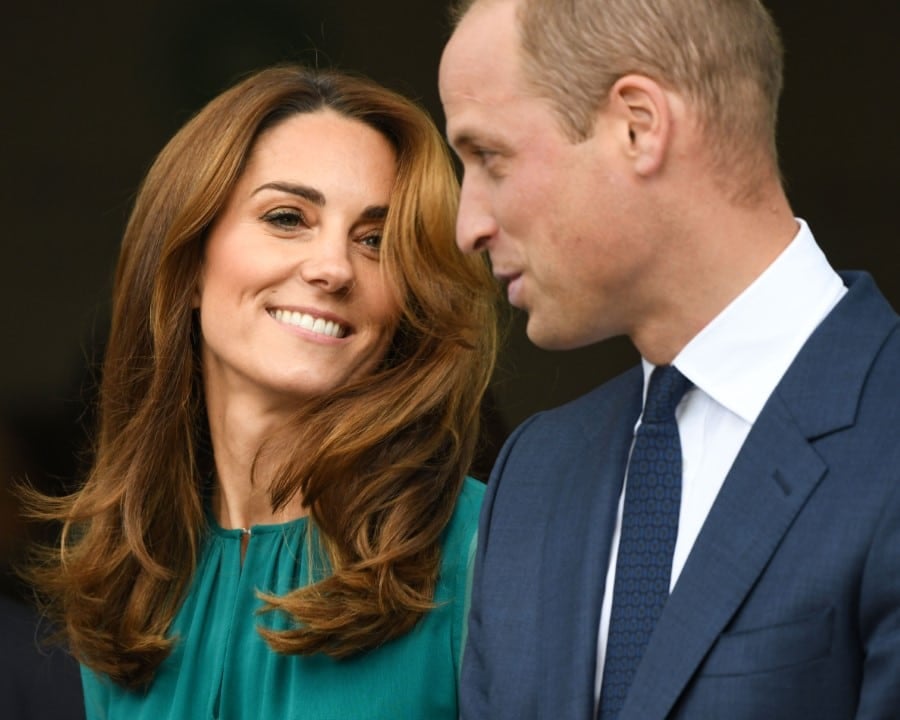 William e Kate – Foto: B. Lenoir / Shutterstock.com