
Share
Tweet
Share
Share
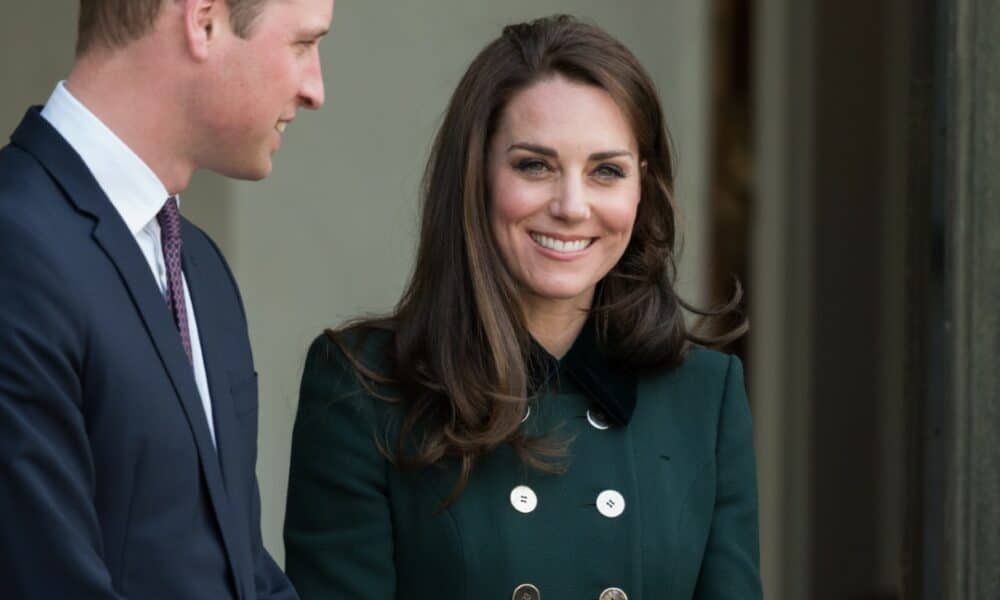
Prince William and Kate Middleton have emerged as pivotal figures within the British monarchy, stepping into the spotlight as King Charles III faces ongoing health challenges following his cancer diagnosis in early 2024. The couple has ramped up their public engagements, taking on a wide range of official duties that signal their readiness to lead the Crown. This shift comes at a critical time, as the king’s treatment has limited his capacity to fulfill his role, prompting a strategic transition that balances the monarchy’s storied traditions with a forward-looking approach. Their increased visibility underscores a deliberate effort to maintain stability while adapting to contemporary expectations, captivating both the British public and global observers.
Over the past year, William and Kate have significantly expanded their workload. In 2023 alone, they completed over 250 official engagements, a number that surged in 2024 as Charles III scaled back his public appearances. From community visits to international summits, their activities reflect a deep commitment to the monarchy’s duties and a desire to connect with people across the United Kingdom. This hands-on approach has bolstered their reputation as a modern, relatable duo capable of navigating the complexities of royal life while preparing for the responsibilities of the throne.
The king’s health, which first came under scrutiny with a benign prostate condition before the cancer diagnosis, has reshaped the royal landscape. Breaking from the monarchy’s historical reticence, the palace opted for transparency by sharing details of Charles III’s condition, a move that has fostered public empathy and confidence in the succession plan. As William and Kate rise to the occasion, their actions highlight a monarchy in transition, poised to evolve under their leadership while honoring its legacy.
Expanded roles amid Charles III’s treatment
With Charles III adjusting his schedule to accommodate medical needs, William and Kate have taken on a broader array of responsibilities. The prince, as the direct heir, has immersed himself in diplomatic engagements and environmental advocacy, championing initiatives to combat climate change. Meanwhile, Kate Middleton has solidified her influence through efforts focused on early childhood development and family welfare, earning praise for her blend of tradition and innovation. Their combined efforts span high-profile ceremonies, grassroots outreach, and policy-driven projects, showcasing their versatility.
Their recent activities paint a vivid picture of this transition. During a trip to northern England, they engaged with local residents, unveiled community facilities, and listened to regional concerns, reinforcing their bond with the public. These appearances, often amplified through social media, illustrate a proactive stance that sets them apart from previous generations. By sharing glimpses of their work and personal lives online, William and Kate have cultivated a sense of accessibility, appealing to younger audiences who value openness over formality.
This digital strategy complements their on-the-ground presence. Whether opening a school or hosting foreign dignitaries, the couple demonstrates a readiness to lead that extends beyond ceremonial duties. Their ability to juggle these demands while supporting the king through his illness underscores a seamless shift in power, positioning them as steady hands for the monarchy’s future.
How Charles III’s illness reshapes the monarchy
Charles III’s cancer diagnosis, revealed after routine medical checks in 2024, has introduced unprecedented challenges for the royal family. Initially treated for an enlarged prostate, the king faced a more serious prognosis that forced a reduction in his public role. Despite this, he continues to handle core responsibilities, such as legislative approvals and meetings with the prime minister, albeit at a slower pace. The decision to disclose his condition publicly marked a departure from the monarchy’s guarded past, inviting widespread support from the British people.
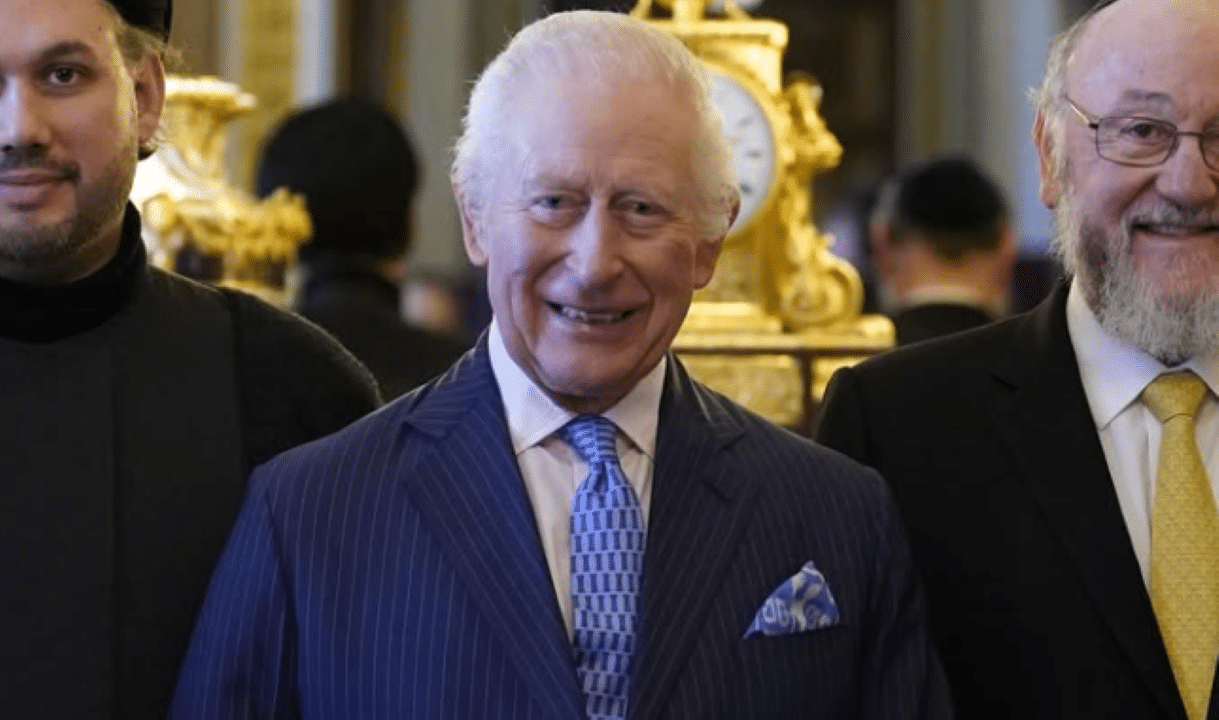 King Charles – Foto: Instagram
This openness has paid dividends. Surveys indicate that over 70% of the UK population trusts William and Kate to guide the monarchy forward, a testament to their growing stature. The king’s health struggles have also galvanized national solidarity, with citizens and world leaders alike expressing admiration for his resilience and the family’s unity during this period. The situation has effectively spotlighted the next generation, accelerating their ascent within the royal hierarchy.
Adjusted royal duties: Charles III has scaled back public events to focus on recovery.Family support: William and Kate provide emotional and practical assistance to the king.Public response: Transparency has deepened trust in the monarchy’s succession process.Modernizing the Crown under William and Kate
At the heart of William and Kate’s leadership is a push to modernize the monarchy. They champion issues like sustainability and social equity, aligning the institution with 21st-century priorities. William’s environmental campaigns, including efforts to promote green practices, have gained international traction, while Kate’s focus on mental health and childhood education has reshaped public perceptions of royal influence. Together, they present a monarchy that is both rooted in history and responsive to today’s challenges.
Their embrace of social media stands out as a game-changer. Regular updates on platforms like Instagram and X allow them to share their work directly with millions, bypassing traditional media filters. This approach not only broadens their reach but also humanizes their roles, offering a window into their lives that previous royals rarely provided. The result is a monarchy that feels less distant, resonating with a generation accustomed to digital connectivity.
Their initiatives deliver tangible outcomes. William’s mental health programs have supported over 50,000 individuals, providing resources and breaking stigmas. Kate’s early childhood projects have influenced educational policies across multiple UK regions, enhancing access to foundational learning. These efforts highlight a proactive monarchy that engages with society on a practical level, setting the stage for a dynamic reign.
Key engagements marking their rise
Recent public appearances by William and Kate underscore their growing prominence. A visit to Wales in 2024 saw them touring schools and community centers, with Kate discussing childhood development and William addressing environmental priorities with local leaders. The trip, widely covered online, reinforced their ability to connect with diverse audiences while advancing their core causes.
Another notable event was Kate’s 43rd birthday celebration in January 2025. Despite the pressures of the royal transition, she attended a charity function in London alongside William, who publicly praised her strength. The moment, captured in photos and shared widely, highlighted their partnership and resilience, endearing them further to the public. Such occasions illustrate their knack for balancing personal milestones with public duty.
On the global stage, their influence shines through as well. William represented the UK at a climate summit, advocating for urgent action, while Kate joined European leaders to discuss family support policies. These engagements signal their readiness to uphold the monarchy’s international role, strengthening ties in a post-Brexit world.
Defining initiatives of the future royals
William and Kate’s leadership is defined by impactful projects:
Mental health: Programs offering psychological support and public awareness, led by William.Early childhood: Kate’s efforts to improve education and well-being for young children.Sustainability: William’s campaigns to address climate change and promote eco-friendly practices.Community ties: Regular visits to local areas to build rapport with citizens.
These initiatives yield measurable results. William’s mental health work has reached thousands, while Kate’s childhood programs have spurred policy changes in education. Their focus on sustainability has elevated the monarchy’s voice in global environmental debates, proving their commitment to meaningful change.
William’s preparation for kingship
William’s journey to the throne began early, shaped by a military career that honed his leadership skills. As a Royal Air Force pilot, he conducted rescue missions, experiences that instilled discipline and decisiveness—qualities now evident in his royal duties. His pragmatic approach and strategic thinking are widely regarded as assets for a successful reign.
His philanthropy predates his current prominence. Long before taking on extra responsibilities, William tackled issues like bullying and conservation, laying the groundwork for his broader vision. Kate complements this with her poise and focus on social good, creating a partnership that blends strength and compassion. Their combined attributes position them as a formidable team for the monarchy’s next chapter.
Global reach of the British monarchy
The monarchy’s influence extends far beyond Britain, a legacy William and Kate actively uphold. Their diplomatic efforts bolster UK relations with Commonwealth nations and beyond, a critical role as the country navigates its post-Brexit identity. From trade discussions to cultural exchanges, they reinforce the Crown’s soft power on the world stage.
Climate change exemplifies their global impact. William’s advocacy has spotlighted the issue at international forums, while Kate’s work on family welfare resonates across borders. This dual focus ensures the monarchy remains a player in addressing planetary challenges, transcending its ceremonial roots.
Family strength in adversity
Charles III’s illness has tested the royal family, revealing their cohesion. William and Kate have stepped up not only in public but also behind closed doors, offering the king emotional support throughout his treatment. Their close involvement reflects a united front, vital for maintaining the monarchy’s stability.
The king, in turn, mentors William, sharing insights from his own reign. This guidance, though less visible, is a cornerstone of the succession process, ensuring continuity as the family navigates this uncertain period. Their collective resolve shines through, reinforcing public faith in the institution.
What lies ahead for the monarchy
Looking forward, William and Kate’s reign promises innovation. Experts anticipate a focus on inclusion, mental health, and gender equality, building on their current work. Yet, blending tradition with progress will require careful navigation, especially as public scrutiny of monarchies intensifies globally.
Their dedication is unmistakable. Every event they attend and project they launch reflects a monarchy attuned to modern needs. This thoughtful preparation ensures a smooth handover when the time comes, keeping the Crown relevant and connected to its people.
Timeline of pivotal moments
Key events trace William and Kate’s ascent:
Early 2024: Charles III’s cancer diagnosis triggers a shift in duties.Mid-2024: The couple exceeds 300 engagements, filling the gap left by the king.January 2025: Kate’s birthday event showcases her resolve amid royal pressures.
These milestones chart a steady rise, with William and Kate cementing their roles as the monarchy’s next leaders, ready to usher in a new era.
 British monarchy in transition, Câncer, Charles III, Charles III battles cancer, health, Kate, Kate Middleton modernizes Crown, leadership. William and Kate prepare for throne, modernization, monarchy, succession, throne, William, William takes on leadership