Share
Tweet
Share
Share
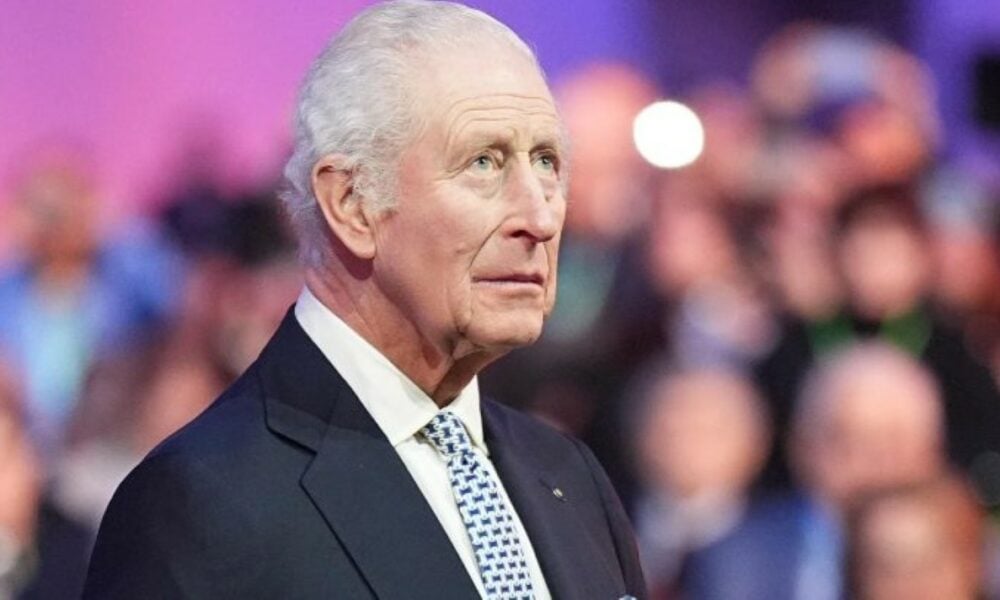
The British monarchy stands at a pivotal juncture. King Charles III, aged 76, grapples with a cancer diagnosis announced in February 2024, with recent reports indicating a worsening condition that alarms Buckingham Palace. The monarch’s fragile health accelerates preparations for succession, thrusting Prince William, 42, and Kate Middleton, also 42, into the spotlight. The prospect of an earlier-than-expected transition to the throne prompts urgent efforts to ensure stability across the United Kingdom and the Commonwealth nations.
Charles III’s cancer diagnosis, uncovered during a procedure for benign prostate enlargement, reshaped the monarchy’s operations. Though the specific type of cancer remains undisclosed, the king’s limited public appearances have fueled speculation about his ability to fulfill royal duties. Meanwhile, William has taken on high-profile commitments, including the reopening of Notre-Dame Cathedral in Paris in December 2024 and key diplomatic engagements.
William and Kate’s preparation for the throne involves rigorous training in governance, foreign policy, and management of royal assets. The couple, already representing the monarchy on numerous occasions, strives to balance modernization with tradition. Kate’s own cancer diagnosis in January 2024 adds complexity to the process, yet her gradual recovery is deemed vital for the Crown’s future.
Expanded royal duties: William has assumed high-profile international engagements on behalf of his father.Strategic training: The couple undergoes briefings with experts in diplomacy and royal administration.Public support: William and Kate’s resilience strengthens their bond with the British public.Intensified succession preparations
Prince William, as the heir apparent, has immersed himself in both administrative and representational roles. Over recent months, he has led royal charities and engaged with global leaders, signaling a commitment to a seamless transition. Kate, despite her ongoing cancer treatment, maintains selective public engagements, focusing on causes like mental health and early childhood development.
Their training encompasses royal protocols, international relations, and oversight of the monarchy’s vast wealth. William, who has managed the Duchy of Cornwall since 2022, participates in strategic meetings with diplomats and economic advisors. These efforts prepare him to navigate the complexities of leading the UK and maintaining Commonwealth ties.
Charles III’s health, which restricts his public appearances, underscores the urgency of these measures. Insiders report that the king undergoes intensive treatment, with no signs of remission. While abdication remains unconfirmed, the possibility looms large, casting uncertainty over the monarchy’s immediate future.
Asset management: William oversees the Duchy of Cornwall, ensuring financial stability.Active diplomacy: The prince has strengthened international ties through global events.Modernization efforts: The couple aims to align the monarchy with contemporary values.Royal health concerns: Charles III’s condition necessitates constant adjustments to the Crown’s agenda. King Charles III’s health
Announced in February 2024, Charles III’s cancer diagnosis altered the monarchy’s trajectory. The condition was identified following a procedure for benign prostate enlargement. Since then, the king has scaled back public appearances to focus on treatment, missing traditional events like the Remembrance Day ceremony in November 2024.
Buckingham Palace remains tight-lipped about specifics, but sources suggest the cancer has progressed to an advanced stage. The king’s medical team continues to adjust his treatment, which includes chemotherapy and other interventions. His reduced schedule reflects a prioritization of health, with the monarch reportedly concerned about the Crown’s continuity.
The monarchy faces a delicate moment, with William stepping into central roles. This gradual power shift highlights the need to ready the next generation for the throne’s demands. The king’s health also shapes public perception, with citizens closely monitoring developments.
Line of succession and next steps
The British line of succession is well-defined. Should Charles III abdicate or pass away, William will ascend as king. Kate Middleton will become Queen Consort, playing a pivotal supporting role. Queen Camilla, Charles’s wife, will take the title of Queen Dowager.
The children of William and Kate hold key positions:
Prince George, 11, will be first in line to the throne.Princess Charlotte, 9, will hold second place.Prince Louis, 6, will be third.Prince Harry, William’s brother, remains fifth, followed by his children, Archie and Lilibet.
William’s preparation includes consultations with foreign policy experts and crisis management advisors. Kate focuses on social causes, such as early childhood education, while recovering from treatment. The couple has represented the UK in countries like Australia and Canada, bolstering their global presence.
Commonwealth pressures
The monarchy faces mounting challenges in its relationship with the Commonwealth, a 56-nation bloc tied to the UK’s historical legacy. In recent years, nations like Barbados and Jamaica have signaled intentions to become republics, severing ties with the Crown. Charles III’s succession unfolds amid debates over the monarchy’s relevance in former colonies.
William and Kate work to reinforce Commonwealth connections through diplomatic visits and cultural initiatives. In 2024, they toured Caribbean nations, promoting sustainability and education projects. Yet, demands for historical reparations tied to colonialism pose ongoing hurdles.
Modernizing the monarchy remains a priority. William advocates for a more approachable Crown, emphasizing environmental and mental health initiatives. Kate’s engagement with youth and family-focused causes strengthens the monarchy’s appeal to younger generations.
Emerging republics: Nations like Australia debate replacing the monarchy with a local head of state.Historical reparations: Calls for compensation for colonial legacies grow louder.Youth engagement: William and Kate champion causes resonating with modern values.Diplomatic tours: International visits reinforce the UK’s global influence.Historical royal transitions
The British monarchy has navigated numerous successions marked by significant events. In 1936, Edward VIII abdicated to marry Wallis Simpson, paving the way for George VI’s reign. In 1952, George VI’s sudden death elevated Elizabeth II to the throne at 25, launching a seven-decade reign.
The transition from Elizabeth II to Charles III in September 2022 was meticulously planned, but the king’s health introduced unforeseen challenges. The current scenario, with William assuming prominent roles, underscores the need for stability amid uncertainty.
Each succession has prompted adaptations, from Elizabeth II’s modernization to Charles III’s sustainability focus. William and Kate’s preparations build on this legacy, emphasizing governance and public connection.
Kate Middleton’s health
Kate Middleton’s cancer diagnosis, confirmed in January 2024 after abdominal surgery, led to a temporary withdrawal from royal duties. Her treatment, including chemotherapy, has been intensive, with William balancing royal responsibilities and family support.
Kate’s recovery progresses steadily, marked by selective public appearances. In September 2024, she attended a charity event in London, signaling improvement. Her health, however, influences her readiness for the Queen Consort role, requiring careful management of her schedule.
Public support for Kate remains strong, with social media abuzz with messages of encouragement. Her commitment to mental health and childhood causes endures, reinforcing her public presence despite treatment constraints.
Gradual return: Kate resumes select engagements, such as hospital visits.Public solidarity: British citizens express support online.Priority causes: Mental health and childhood remain central to Kate’s work.William’s role in the monarchy
William has emerged as a central figure amid Charles III’s absence. Beyond international duties, he manages the Duchy of Cornwall, a multibillion-pound estate. His leadership includes investments in sustainable projects, like renewable energy, aligning with modern royal values.
The prince engages with the British prime minister and global leaders, honing his governance skills. His background as a rescue pilot and military training bolsters his image of discipline and duty.
William’s public approval, exceeding 70% in recent polls, positions him as a key asset. His ability to connect with diverse generations is critical for the monarchy’s future relevance.
Media dynamics
The monarchy’s relationship with the press remains intricate. Charles III and Kate’s health has sparked widespread media coverage, with speculation about the throne’s future. Buckingham Palace maintains a reserved stance, releasing minimal details to curb sensationalism.
William and Kate adopt a more open approach, leveraging social media to share updates. In 2024, they launched a digital mental health campaign, reaching millions. This strategy reflects a push for transparency while maintaining control.
Media outlets like Hello! and Tatler celebrate William and Kate as modern leaders, with cover stories highlighting their readiness for the throne. Their popularity strengthens the monarchy’s public image.
Preparing William and Kate’s children
The couple’s children—George, Charlotte, and Louis—are being groomed for future roles. George, as the future king, attends select public events, such as official ceremonies. Charlotte and Louis join their parents at engagements, gaining familiarity with royal life.
Education is a priority. George attends a preparatory school, while Charlotte and Louis are enrolled in institutions emphasizing holistic development. The couple balances tradition with modern values, like gender equality and sustainability.
The children’s public exposure is tightly controlled. Official photos, released on occasions like birthdays, project an approachable yet private royal family.
Modern education: The children attend schools prioritizing creativity and social responsibility.Controlled exposure: Public appearances and photos are limited to protect privacy.Royal values: George receives lessons in history and protocol for his future role.