Share
Tweet
Share
Share
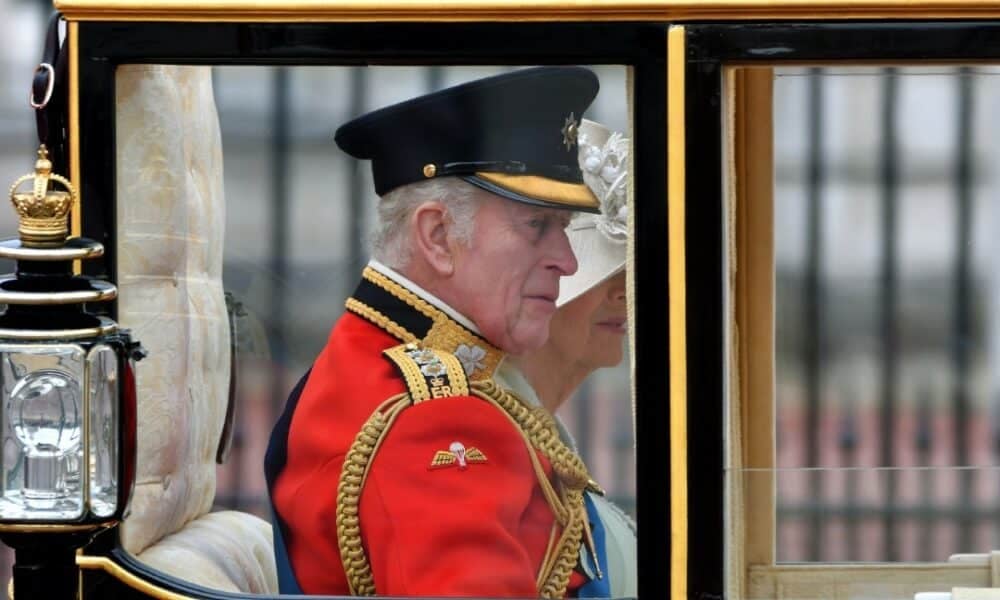
The British monarchy stands at a pivotal moment. King Charles III, aged 76, is grappling with a cancer diagnosis revealed in February 2024, with recent reports indicating an advanced stage that has alarmed Buckingham Palace. The monarch’s fragile health has accelerated preparations for succession, placing Prince William and Kate Middleton, both 42, under intense scrutiny. The prospect of an earlier-than-expected transition to the throne has prompted urgent efforts to ensure stability across the United Kingdom and the Commonwealth nations.
Charles III’s cancer, discovered during a procedure for benign prostate enlargement, has reshaped the monarchy’s operations. William, the heir apparent, has taken on high-profile engagements, while Kate, recovering from her own cancer diagnosis, maintains selective public appearances. The king’s limited capacity and Kate’s health challenges underscore the need to ready the next generation for leadership.
Expanded royal duties: William represents his father at global events, such as the Notre-Dame Cathedral reopening.Strategic training: The couple undergoes briefings on diplomacy and royal asset management.Public support: William and Kate’s resilience strengthens their bond with Britons.
The focus now shifts to how the monarchy navigates this delicate period. William and Kate’s preparations, coupled with the king’s health management, will define the Crown’s future.
King Charles III’s health
Announced in February 2024, Charles III’s cancer diagnosis disrupted the monarchy’s trajectory. Identified during a routine medical procedure, the condition has led to a significant reduction in the king’s public appearances. Traditional events, such as the Remembrance Day ceremony, were absent from his schedule as he prioritized treatment. Medical teams continuously adjust his care, which includes chemotherapy, though details about the cancer type remain undisclosed.
The king’s advanced condition requires intensive treatment, limiting his ability to fulfill official duties. Buckingham Palace maintains discretion, issuing only brief statements. Meanwhile, William’s gradual assumption of leadership roles reflects a shift in responsibilities, with the prince taking on domestic and international engagements. The monarch’s health thus shapes not only his routine but the monarchy’s immediate future.
Ongoing treatment: Chemotherapy and other therapies are regularly adjusted.Reduced schedule: The king canceled traditional events to focus on health.Power transition: William assumes central roles on behalf of his father.
Succession preparations
As the heir apparent, William has intensified his readiness for the throne. In recent months, he led diplomatic missions, including trips to Australia and Canada, and managed the Duchy of Cornwall, a billion-pound estate. His training spans royal protocols and economic advisory meetings, ensuring he is equipped to govern.
Kate Middleton, despite her ongoing cancer treatment, remains active in selective roles. Her gradual recovery allows participation in events focused on mental health and childhood development, causes she has long championed. The couple strives to modernize the monarchy, promoting values like sustainability and accessibility. The urgency of succession, driven by Charles III’s health, demands they balance tradition with innovation.
Speculation about abdication persists, though unconfirmed. Sources suggest the king is evaluating options to secure the Crown’s stability, while William and Kate prepare for potential leadership in the near future.
Duchy of Cornwall management
The Duchy of Cornwall, overseen by William since 2022, is a cornerstone of the monarchy’s financial preparation. The estate, encompassing land, properties, and investments, generates significant revenue for the Crown. William has introduced renewable energy and sustainable agriculture projects, aligning the Duchy with modern environmental values.
Managing the Duchy involves frequent meetings with financial advisors and sustainability experts. These responsibilities prepare William to handle the monarchy’s vast wealth, including palaces, art collections, and other assets. His hands-on approach ensures economic stability during this transitional period.
Green investments: Solar and wind energy projects gain prominence.Estate oversight: William manages properties across the UK.Financial planning: The Duchy secures resources for the Crown.
Kate Middleton’s role in the monarchy
Kate Middleton faces personal challenges with her cancer diagnosis, confirmed in January 2024 following abdominal surgery. Her treatment, including chemotherapy, has restricted public appearances, but her recovery progresses steadily. In September 2024, she attended a charity event in London, earning widespread public support.
Despite limitations, Kate remains committed to her core causes. Projects addressing mental health and early childhood development continue to benefit from her involvement, with carefully chosen events respecting her health. Her preparation for the role of Queen Consort includes diplomacy and protocol training, balancing public duties with family responsibilities.
Public support for Kate is robust, with social media platforms flooded with messages of encouragement. Her resilience, even in adversity, reinforces the monarchy’s connection with the public.
Commonwealth relations
The Commonwealth, comprising 56 nations, faces growing tensions with the British monarchy. Countries like Jamaica and Barbados are moving toward republican systems, questioning the Crown’s relevance. Charles III’s health and the looming succession intensify these debates, with nations demanding reparations for colonial legacies.
William and Kate work to bolster Commonwealth ties through diplomatic visits. In 2024, they traveled to Caribbean nations, promoting education and sustainability initiatives. These efforts aim to preserve the UK’s influence, though they face resistance from movements seeking full independence.
Strategic trips: Caribbean visits strengthen cultural bonds.Sustainable projects: Education and environmental initiatives gain support.Republican debates: Nations like Australia consider abandoning the monarchy.
Training of William and Kate’s children
The couple’s children—George, Charlotte, and Louis—are being groomed for future royal roles. George, aged 11, attends select public events, such as Buckingham Palace ceremonies, while Charlotte and Louis join their parents at chosen engagements. Their public exposure is tightly controlled to safeguard privacy.
The children’s education blends tradition with modernity. George attends a preparatory school introducing him to royal history, while Charlotte and Louis study at institutions emphasizing creativity and social responsibility. William and Kate instill values like gender equality and sustainability, shaping the monarchy’s next generation.
Royal education: George learns protocol and history.Modern values: Gender equality is prioritized in their upbringing.Protected privacy: Public appearances are limited.
Media dynamics
The monarchy’s relationship with the press is complex. Charles III’s and Kate’s health generates extensive media coverage, with speculation about the succession. Buckingham Palace adopts a reserved stance, releasing minimal details to curb sensationalism.
William and Kate, however, embrace social media to engage the public. In 2024, they launched a digital mental health campaign, reaching millions. This approach reflects efforts to modernize royal communication while controlling the narrative.
Outlets like Hello! portray the couple as modern leaders, with features highlighting their readiness for the throne. Their popularity, with over 70% approval in recent polls, bolsters the monarchy’s public image during this critical time.
Historical royal transitions
The British monarchy has navigated significant successions over centuries. In 1936, Edward VIII’s abdication paved the way for George VI, while George VI’s death in 1952 elevated Elizabeth II to the throne at 25. Elizabeth’s seven-decade reign was defined by modernization and adaptation.
Charles III’s ascension in 2022, following Elizabeth II’s death, was meticulously planned, but his health introduced unforeseen challenges. William and Kate’s preparations draw on these historical lessons, emphasizing stability and public connection. Each succession has demanded adjustments, and the current scenario is no exception.
1936 abdication: Edward VIII’s exit altered the succession line.Elizabeth II’s reign: Modernization defined her seven decades.2022 succession: Charles III assumed the throne amid continuity expectations.
Public support for the monarchy
The British monarchy retains significant public backing despite challenges. Recent polls show over 60% of Britons support the institution, with William and Kate as key figures in this landscape. Their resilience, particularly amid health crises, deepens their public connection.
Events like Elizabeth II’s Platinum Jubilee in 2022 and William’s global engagements reinforce the Crown’s relevance. However, the monarchy faces criticism from groups questioning its costs and privileges, especially during economic hardship.
William and Kate counter these critiques with community-focused initiatives. Charity projects, particularly those addressing mental health, attract support across generations, ensuring the monarchy remains a vibrant institution.