Share
Tweet
Share
Share
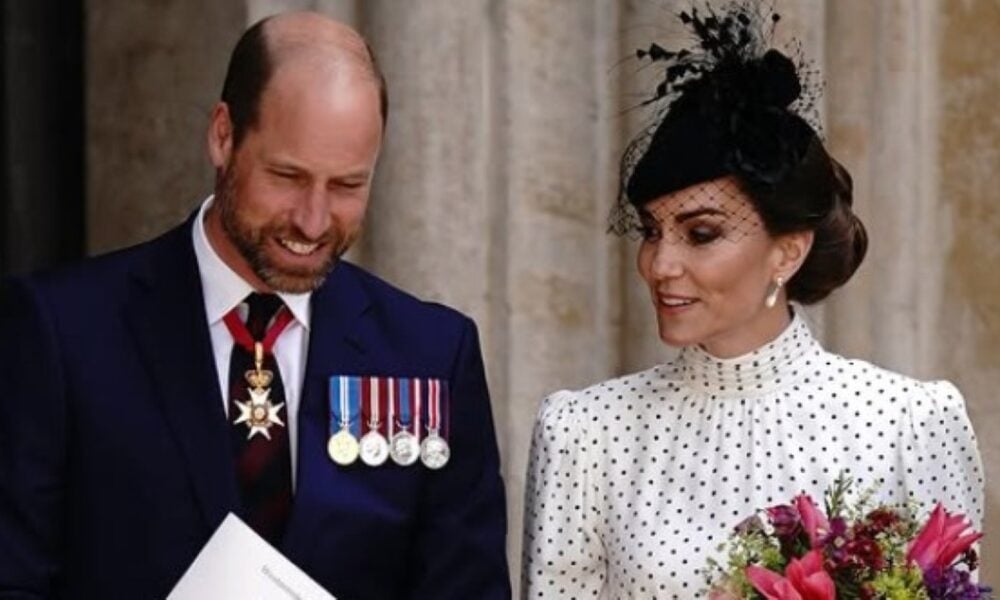
King Charles III’s health, diagnosed with cancer in February 2024, has deteriorated in 2025, prompting Buckingham Palace to intensify succession plans for Prince William and Kate Middleton. At 76, the monarch has sharply reduced public duties, attending fewer than 50 engagements in 2025 compared to 200 in 2024, due to ongoing medical treatments. The worsening condition, discovered after a procedure for benign prostate hyperplasia, has shifted responsibilities to the heir, William, 42, and his wife, Kate, also 42, who faces her own cancer diagnosis since January 2024. The monarchy, under pressure to ensure continuity, focuses on preparing the couple to assume the throne amid challenges to the institution’s relevance in the United Kingdom and the Commonwealth. The transition, accelerated by the health crisis, unfolds in London and reflects the urgency of modernizing the Crown.
William has taken a central role in 2025, representing the king in 80% of his duties. Kate, though limited by her treatment, plans to resume public engagements focusing on social causes. The monarchy faces public scrutiny, with 40% of Britons questioning its annual £100 million cost, despite its £1.8 billion economic contribution.
Reduced engagements: Charles cut events from 200 to 50 in 2025.Succession focus: William leads 150 events, including international diplomacy.Modernization: William and Kate promote mental health and early education.
The couple’s preparation occurs amid internal and external pressures, with six Commonwealth nations debating republicanism in 2025.
Intensive preparation for the throne
William and Kate undergo rigorous training to assume leadership of the monarchy. In 2025, William held 20 meetings with foreign policy experts and led 10 international trips, including the reopening of Notre-Dame Cathedral in Paris. Kate, still recovering, plans 20 public engagements focused on early childhood education, after attending only 15 events in 2024. The couple raised £50 million for charity in 2024, with projects benefiting 5 million people in mental health and 2 million children in educational initiatives.
Their popularity, with 75% approval among Britons, surpasses Charles’s 50%, according to 2024 surveys. This public support is critical for maintaining the monarchy’s relevance, especially as its cost is debated. Their training includes managing royal estates, such as the Duchy of Cornwall, which generates £20 million annually, and learning diplomatic protocols for the 56 Commonwealth nations.
Active diplomacy: William led 10 international trips in 2025.Charity spotlight: The couple’s projects raised £50 million in donations.Public approval: 75% of Britons support William and Kate.Royal health in crisis
Charles’s cancer, identified in 2024, has reshaped the monarchy’s dynamics. The king, who ascended the throne in September 2022 after Elizabeth II’s death, faces intensive treatments that have curtailed his public role. In 2023, he attended 25 international trips, but this dropped to fewer than 10 in 2024. The lack of details about the cancer type has fueled speculation about possible abdication, though Buckingham Palace has not confirmed such rumors.
Kate, diagnosed with cancer after abdominal surgery in January 2024, reduced her engagements from 120 in 2023 to 40 in 2024. For 2025, she plans 60 events, signaling gradual recovery. The couple’s resilience has boosted their public image, with a 10% approval increase since 2023.
Economic role of the monarchy
The British monarchy contributes £1.8 billion annually to the UK economy, including £500 million from tourism in 2024. Despite this, its £100 million annual cost faces criticism, with 40% of Britons questioning its value in 2024 surveys. William and Kate counter these critiques with modern initiatives, such as mental health campaigns reaching 5 million people.
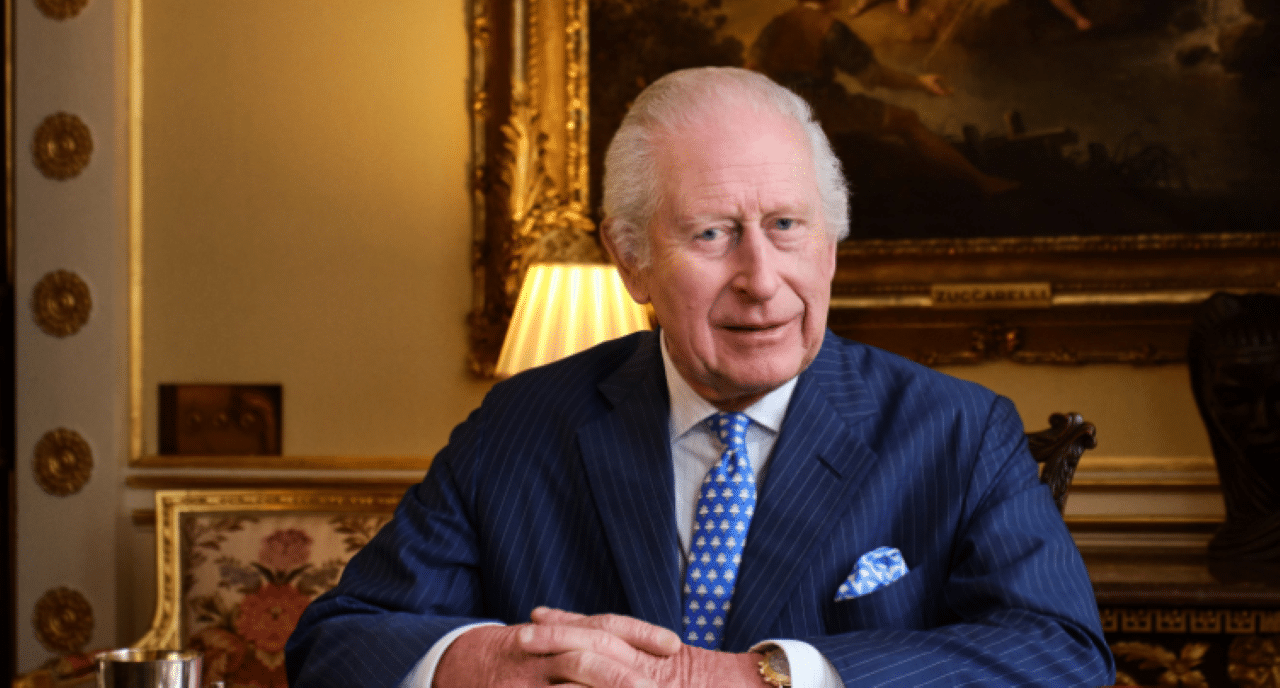 King Charles – Foto: Divulgação
Tourism tied to the monarchy, including visits to Buckingham Palace and the Tower of London, drew 12 million visitors in 2024. However, Charles’s approval, dropping from 65% in 2023 to 50% in 2024, contrasts with the couple’s popularity, seen as vital for sustaining the Crown’s economic impact.
Robust tourism: 12 million visitors in 2024.Economic contribution: £1.8 billion generated annually.Public criticism: 40% question the monarchy’s cost.Commonwealth under strain
Of the 56 Commonwealth nations, 14 still recognize the monarch as head of state. Barbados became a republic in 2021, and 10 other countries plan referendums by 2030. In 2025, six nations, including Australia and Jamaica, debate separation. William and Kate’s 20% higher approval than Charles is viewed as a factor in preserving Commonwealth ties.
William undertook 10 trips to Commonwealth nations in 2024, fostering diplomatic relations. Kate, despite her health, joined virtual events with member nation leaders. The monarchy seeks to bolster its global relevance amid these debates, with the couple leading modernization efforts.
Historical moments of succession
The British monarchy has faced significant transitions in the past. In 1936, Edward VIII abdicated to marry Wallis Simpson, succeeded by George VI. In 1952, George VI’s death elevated Elizabeth II to the throne at 25, reigning for 70 years. Charles’s ascension in 2022, at 73, marked a brief reign now threatened by his health.
1936: Edward VIII’s abdication.1952: Elizabeth II assumes the throne at 25.2022: Charles III crowned at 73.
These events underscore the complexity of royal transitions, with Charles’s reign potentially the shortest since Edward VIII.
Defined line of succession
The line of succession remains clear amid the health crisis:
Prince William: Next in line after Charles.Kate Middleton: Future Queen Consort.Prince George: First in succession after William, aged 11.Princess Charlotte and Prince Louis: Second and third in line.Prince Harry: Fifth, followed by his children, Archie and Lilibet.
George participated in five public events in 2024, beginning his preparation for royal roles. William assumed 80% of Charles’s duties in 2025, including 10 international trips, while Kate plans 20 engagements.
Modernization as a priority
William and Kate prioritize modernizing the monarchy, focusing on mental health and sustainability. In 2024, their initiatives reached 5 million beneficiaries, while Kate’s educational projects supported 2 million children. Their 75% approval, compared to Charles’s 50%, reflects the success of these efforts.
The monarchy faces pressure to remain relevant, with 40% of Britons questioning its value in 2024. The couple counters this with campaigns reinforcing the Crown’s social impact, such as raising £20 million for mental health.
Kate’s health and resilience
Kate’s cancer diagnosis in 2024 limited her engagements, but her goal of 60 events in 2025 signals recovery. In 2024, she attended 15 events, down from 120 in 2023, focusing on early childhood education. The couple’s resilience has raised their approval by 10% since 2023, solidifying their role as next-generation leaders.
William supported Kate while taking on 80% of Charles’s duties, including managing royal estates and diplomatic events. Their combined strength is seen as essential for the monarchy’s stability.
George’s preparation for the future
Prince George, aged 11, is gradually introduced to royal roles. In 2024, he attended five public events, such as official ceremonies and charity functions. His preparation includes lessons on royal protocols and monarchy history, ensuring readiness for future responsibilities.
William and Kate oversee this transition, balancing George’s public exposure with privacy. The young prince’s involvement in events reflects the monarchy’s long-term strategy for continuity.