Share
Tweet
Share
Share
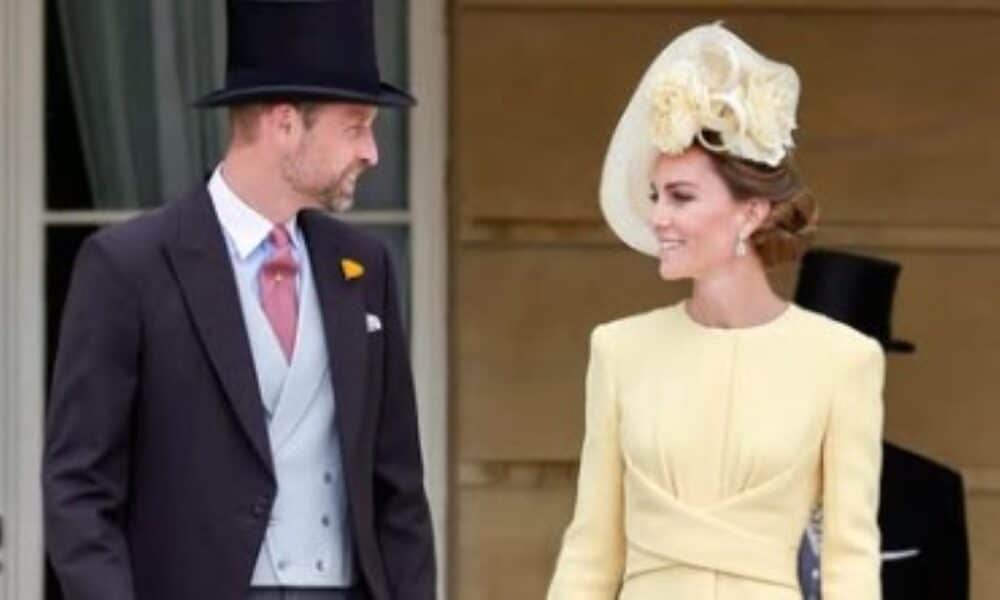
The British monarchy faces a pivotal moment as King Charles III’s health declines, hastening the transition to Prince William and Kate Middleton. Diagnosed with cancer in February 2024, the 76-year-old king has sharply reduced his public duties, attending only 50 events in 2025 compared to 200 in 2024. William, aged 42, has taken on 80% of his father’s responsibilities, while Kate, also 42 and recovering from her own cancer diagnosis in 2024, plans 60 public engagements. The urgency to modernize the institution, coupled with the need to maintain its relevance across 56 Commonwealth nations, places the couple at the forefront. This shift signals intense preparation for succession amid economic challenges and scrutiny over the monarchy’s role.
The king’s fragile condition accelerates the transition. In 2024, Charles III attended just 10 international engagements, down from 25 in 2023, underscoring the severity of his illness. With 75% public approval, William and Kate emerge as key figures to ensure the monarchy’s stability, which contributes £1.8 billion annually to the UK economy.
Role shift: William increased his schedule by 30% since 2023, leading diplomatic events.Kate’s contribution: Despite health challenges, she drives early childhood education projects, aiding 2 million children.Public support: The couple’s 75% approval rating surpasses Charles’s 50% in 2025.Charles III’s health reshapes royal duties
King Charles III’s cancer, detected after a procedure for benign prostate enlargement in 2024, has transformed the monarchy’s dynamics. Buckingham Palace has not disclosed the cancer type, but the lack of remission has led to a steep decline in the king’s activities. From 200 engagements in 2024, he maintained only 50 in 2025, prioritizing intensive medical treatments. This reduction has placed William in charge of most ceremonial and administrative tasks, while Kate, in recovery, takes on selective commitments.
Speculation about abdication has surfaced, though no official statement confirms this. The king’s international engagements dropped from 25 in 2023 to 10 in 2024, highlighting the need for a planned transition. William, managing royal estates and key institutions, assumed 80% of his father’s duties in 2025, ensuring operational continuity.
William emerges as monarchy’s cornerstone
Prince William has become the monarchy’s central figure in 2025. His schedule includes 10 international trips and 20 meetings with foreign policy experts, reflecting his preparation for the throne. In 2024, he attended over 150 events, including the reopening of Notre-Dame Cathedral in Paris, and led initiatives raising £50 million for causes like mental health, benefiting 5 million people.
Diplomatic role: William strengthened Commonwealth ties, representing the UK globally.Asset oversight: He manages the Duchy of Cornwall, generating £24 million in revenue.Social impact: His mental health projects reached 5 million beneficiaries in 2024.
With 75% public approval, William balances tradition with a modern approach, vital for sustaining the monarchy’s relevance amid growing scrutiny.
Kate Middleton navigates health and royal roles
Kate Middleton, diagnosed with cancer in January 2024 after abdominal surgery, significantly reduced her public appearances. From 120 engagements in 2023, she attended 40 in 2024 but plans 60 in 2025, focusing on early childhood education. Her projects supported 2 million children in 2024, reinforcing her image as a resilient leader. Kate’s public approval rose 10% since 2023, reaching 75%, driven by her commitment despite treatment.
William’s support, taking on extra duties to ease her burden, strengthens their partnership. Kate’s gradual return in 2025 positions her as a strategic future Queen Consort, balancing social causes and ceremonial roles.
Rigorous preparation for the throne
William and Kate’s transition to the throne demands intensive training. William attended 20 meetings with foreign policy experts in 2025, while Kate plans 20 engagements centered on early childhood education. The couple studies royal protocols, estate management, and modernization strategies, addressing pressures to keep the monarchy relevant.
Modernization efforts: William’s sustainability projects reached 5 million people in 2024.Education focus: Kate’s initiatives supported 2 million children in early development.Public perception: 70% of Britons view the couple as “relevant,” compared to 55% for Charles.
The monarchy, generating £500 million in tourism in 2024, relies on the couple’s popularity to counter criticism over its £100 million annual cost.
Line of succession in focus
With Charles III’s health declining, the British line of succession takes center stage. William is next in line, followed by his children, George, Charlotte, and Louis. Kate, as future Queen Consort, will play a key supporting role. Prince George, aged 11, made five public appearances in 2024, marking the start of his royal training.
William: Set to assume the throne upon Charles’s abdication or death.Kate: Will become Queen Consort, emphasizing social causes.George: First in line after William, with early training underway.Other heirs: Charlotte, Louis, Harry, Archie, and Lilibet follow.
Clarity in the succession line is critical for the monarchy’s stability, especially amid uncertainties about the king’s health.
Pressures on monarchy’s relevance
The British monarchy faces growing questions about its role in a changing world. Of the 56 Commonwealth nations, 14 recognize the monarch as head of state, but republican movements are rising. Barbados ended ties in 2021, and 10 nations plan referendums by 2030. The monarchy’s £100 million annual cost draws criticism, with 40% of Britons questioning its value in 2024.
William and Kate counter these pressures with modern initiatives. Their 2024 efforts benefited 5 million people, and their 75% approval rating outpaces Charles’s 50%. Six Commonwealth nations debate breaking away in 2025, but the couple’s popularity may help maintain these connections.
Historical transitions in the monarchy
The British monarchy has a history of significant successions. In 1936, Edward VIII abdicated to marry Wallis Simpson, succeeded by George VI. In 1952, George VI’s death elevated Elizabeth II to the throne at 25, beginning a 70-year reign. In 2022, Elizabeth II’s passing crowned Charles III at 73.
Charles’s reign, potentially one of the shortest since Edward VIII, is marked by his health challenges. William’s imminent rise underscores the need for leadership ready to navigate a rapidly evolving world.
Health crisis redefines royal responsibilities
Charles III’s cancer, identified in 2024, reduced his engagements from 200 to under 50 in 2025. Kate, diagnosed in the same year, dropped from 120 events in 2023 to 40 in 2024 but plans 60 in 2025. The couple’s resilience boosted their approval by 10% since 2023, reaching 75%. William raised £20 million for charity in 2024, while Kate supported 2 million children.
The health crisis emphasizes the urgency of succession planning. Charles cut international trips from 25 in 2023 to under 10 in 2024, with William assuming 80% of his duties in 2025, ensuring the monarchy’s continuity.
News summary
The British monarchy is undergoing a rapid transition as King Charles III’s cancer, diagnosed in 2024, limits his duties to 50 events in 2025. William, handling 80% of the king’s roles, and Kate, recovering from cancer, plan to lead the Crown with modern initiatives. Boasting 75% public approval, they prepare for the throne amid pressures to modernize the institution, which generates £1.8 billion for the UK economy. The line of succession, led by William and his children, gains focus, while the monarchy’s relevance is debated in 14 Commonwealth nations.