
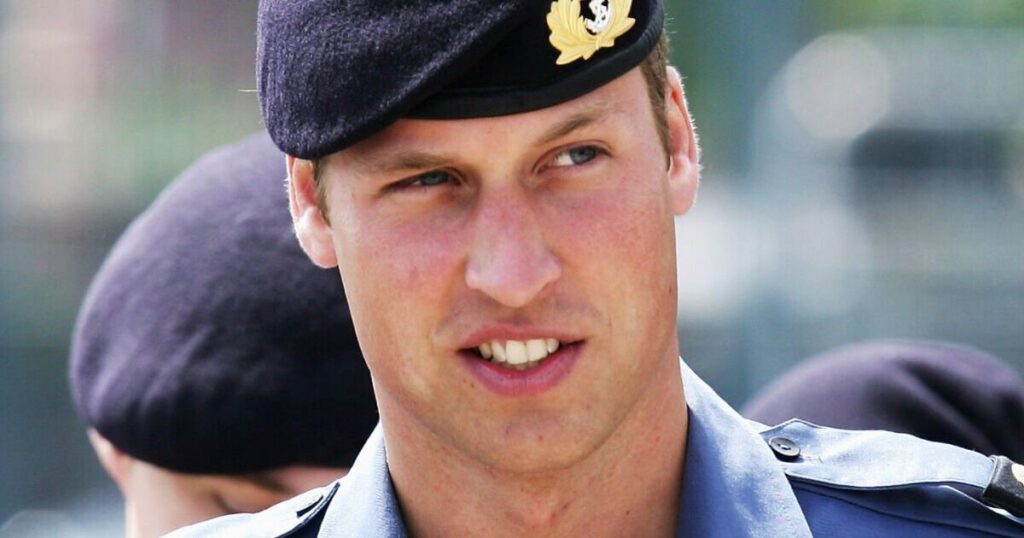
Prince William played a significant role in a major drug bust while serving with the Royal Navy in 2008. The Prince of Wales was one of six Navy personnel who intercepted a vessel attempting to smuggle 900kg of cocaine in the Atlantic, north-east of Barbados.
William was flying in the frigate’s Lynx helicopter, which was alerted by intelligence to look out for an ocean-going speedboat suspected of smuggling drugs to west Africa or Europe. US coastguard officers on board the British frigate boarded the speedboat and seized 900kg (about 2,000lb) of cocaine with a minimum street value of £40m, according to the Ministry of Defence (MoD). The prince was one of six navy personnel on the Lynx when the boat was spotted, the MoD said. Other crew included a sniper and a pilot. William had only been deployed with the Royal Navy for less than a week when the operation took place, having arrived on June 24 as part of a secondment from the Royal Air Force.
Speaking to The Guardian at the time, the ship’s commander, Mark Newland, said: “This is a fantastic start to HMS Iron Duke’s North Atlantic deployment.
“To have had a direct impact on the flow of cocaine into Europe just four days after we arrived in theatre shows the benefit the Royal Navy can have in the area of maritime security and counter-drug operations.”
In 2020, the event came up in conversation when William was on a Remembrance Day video chat with LPT (leading physical trainer) Damon Bell, who was at the time serving on the British frigate HMS Montrose in the Gulf.
During the call, LPT Bell referred to Montrose’s drug seizure in the Middle East, and he joked it was only half the amount of the bust made by HMS Iron Duke.
William responded: “I wasn’t going to bring that up, Damon, but I am glad it’s still being talked about.”
The prince’s military career began in 2006, when he joined Sandhurst as an Officer Cadet.
He was briefly considered for frontline duty, with the then-Queen Elizabeth II reportedly supportive of his deployment.
However, William’s status at the time as second in line to the throne meant the Government decided it was too risky for him to see active duty. This is why William was instead sent to the RAF and the Royal Navy.