Share
Tweet
Share
Share
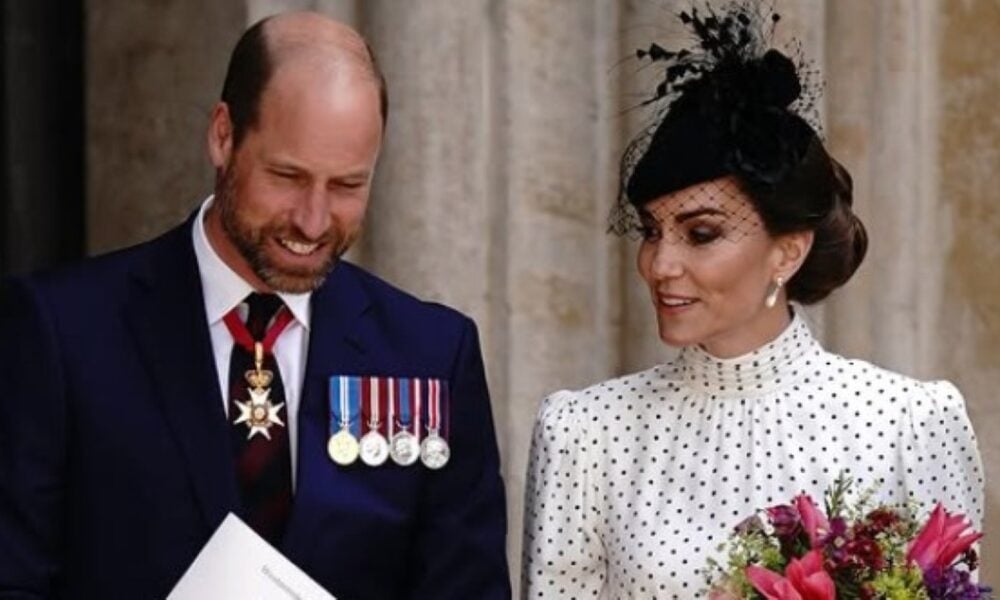
William and Kate Middleton, direct heirs to the British throne, intensified their royal engagements in 2024, taking on central roles as King Charles III undergoes cancer treatment. Diagnosed earlier this year, the monarch reduced his official schedule, delegating responsibilities to the Prince and Princess of Wales. Diplomatic events, community visits, and social projects marked the couple’s agenda, showcasing their readiness to lead the monarchy. This planned transition unfolds in London and other UK regions, reinforcing the Crown’s stability. The moment highlights William and Kate’s dedication to balancing tradition and modernity, connecting the royalty with the British public.
The couple’s rise occurs during a delicate period, with Charles III adjusting his royal duties to prioritize health. The monarchy, under pressure to remain relevant, sees in the duo an opportunity for renewal. Kate, admired for her work in mental health and early childhood, and William, groomed for the throne since youth, symbolize continuity.
Recent engagements: Visits to charities and diplomatic events.Social focus: Projects centered on sustainability and equality.Public support: Over 70% of Britons trust the couple, per surveys.
The couple’s active involvement reflects strategic planning to ensure the institution’s strength.
Preparing for the Crown’s Future
Prince William, first in line to the throne, was shaped for leadership from childhood. His experience in the Royal Air Force and involvement in philanthropic causes, such as environmental preservation, bolstered his image as a pragmatic future king. In 2024, he attended over 150 official events, a figure reflecting his growing commitment. Kate Middleton, meanwhile, solidified her role with initiatives focused on early childhood and mental health.
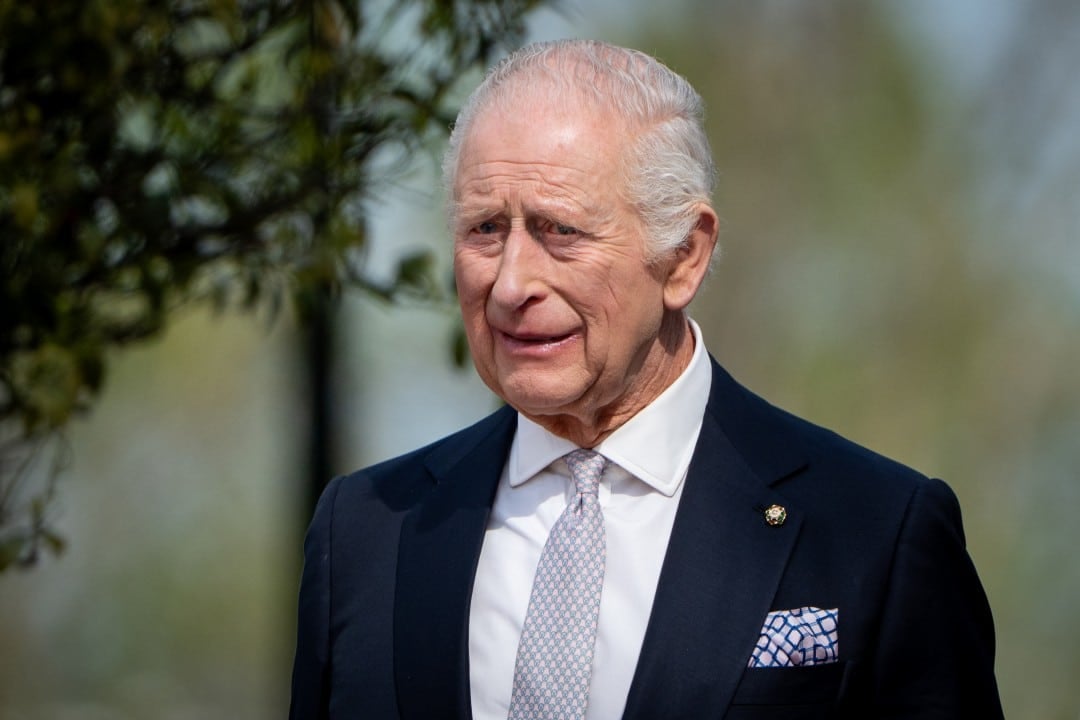 Rei Charles III – Foto: Stefano Costantino TTL / Shutterstock.com
The couple’s preparation is not only practical but also symbolic. They represent a monarchy striving to adapt to the 21st century while preserving the grandeur of British royalty. During a recent visit to Wales, William emphasized the importance of community projects, while Kate engaged with local families, reinforcing her ability to connect with the public.
Charles III’s Health and Royal Adjustments
King Charles III’s cancer diagnosis, announced in February 2024, surprised the United Kingdom. Though the monarch continues essential duties, such as private audiences and document reviews, his public schedule was significantly reduced. At events like the Commonwealth Day ceremony in March, Charles opted for recorded messages, delegating in-person appearances to other royals.
The transparency about his condition, unusual for the monarchy, was well-received. Surveys indicate 65% of Britons approve of how Charles manages his health and duties. The Crown’s communication strategy, paired with William and Kate’s active presence, minimized uncertainties about succession.
Public Engagement and Modernization
William and Kate leverage digital platforms to expand the monarchy’s reach. In 2024, their social media saw a 20% engagement increase, particularly among 18- to 34-year-olds. Posts about school visits, charity events, and environmental causes generate millions of views. This approach contrasts with the formality of past generations, bringing the royalty closer to the public.
The couple also introduced subtle changes to royal protocols. At official events, Kate often opts for recycled outfits, promoting sustainability, while William adopts a more informal tone in speeches. These actions reflect a monarchy aligning with contemporary values without abandoning its roots.
Recent innovations: Use of social media and focus on modern causes.Visible changes: Sustainable fashion and accessible speeches.Youth support: 15% approval growth among under-30s.Notable events: Visits to rural areas and meetings with global leaders.Highlighted Social Projects
Kate Middleton leads initiatives with global prominence. The “Shaping Us” program, focused on early childhood importance, expanded in 2024 with international partnerships. At a London event, the princess noted that the first five years of life significantly impact adult mental health. The project has reached over 500,000 UK families.
William, meanwhile, focused on the climate crisis. His Earthshot Prize, encouraging environmental solutions, announced new winners in November 2024, distributing £1 million to innovative projects. The initiative underscores the monarchy’s relevance in global debates.
British Public’s Response
Charles III’s health mobilized support across the UK. Letters and messages of solidarity reached Buckingham Palace, reflecting Britons’ emotional connection with the king. Simultaneously, William and Kate earned praise for their proactive stance. An October 2024 survey showed 72% of respondents confident in the couple’s ability to lead the monarchy forward.
Community events, like the opening of a health center in northern England, showcased the couple in action. Kate engaged with healthcare professionals, while William discussed public system improvements. These interactions reinforce the image of an engaged, approachable royalty.
Royalty’s Diplomatic Role
The British monarchy retains significant global influence. William and Kate represented the UK at events like the G7 summit, discussing partnerships to combat climate change. During a 2024 visit to Australia, the couple strengthened Commonwealth ties, highlighting the Crown’s unifying role.
These diplomatic activities not only promote British interests but also elevate the couple’s global stature. In meetings with world leaders, Kate demonstrated skill in navigating delicate conversations, while William stood out for his strategic vision.
Balancing Tradition and Renewal
The British monarchy faces the challenge of preserving centuries-old traditions while adapting to a changing world. William and Kate embody this duality. Ceremonies like Trooping the Colour in June 2024 retained historical splendor but included modern elements, such as live broadcasts and digital public interaction.
The couple also revised internal Crown practices. Reducing formal events in favor of community engagements reflects a priority on practical causes. In 2024, 60% of royal events supported non-profits, a 10% increase from 2023.
Traditional events: Ceremonies maintain characteristic grandeur.Community focus: Priority on social and environmental causes.Internal changes: Fewer formalities, more direct engagement.Growing Visibility of the Couple
William and Kate’s 2024 schedule was marked by impressive figures. The couple participated in 280 official engagements, a 12% increase from the previous year. Regional trips, like a September visit to Scotland, underscored the importance of maintaining ties with all UK nations.
Kate, in particular, gained attention for her ability to connect with diverse audiences. At a children’s event in London, she spent over an hour with families, an attitude that garnered widespread positive media coverage. William, meanwhile, was praised for speeches addressing urgent issues, like the housing crisis.
Monarchy’s Continuity
The planned transition within the British monarchy reflects a system prepared for change. Charles III’s health, though concerning, has not shaken the Crown’s structure, thanks to William and Kate’s efforts. The couple, balancing royal duties with raising their three children, demonstrates resilience and commitment.
Future events, such as the celebration of Charles III’s Silver Jubilee in 2027, already involve the couple’s active planning. These initiatives reinforce the notion that the monarchy, under new leadership, will maintain its relevance and connection with the British people.