Share
Tweet
Share
Share
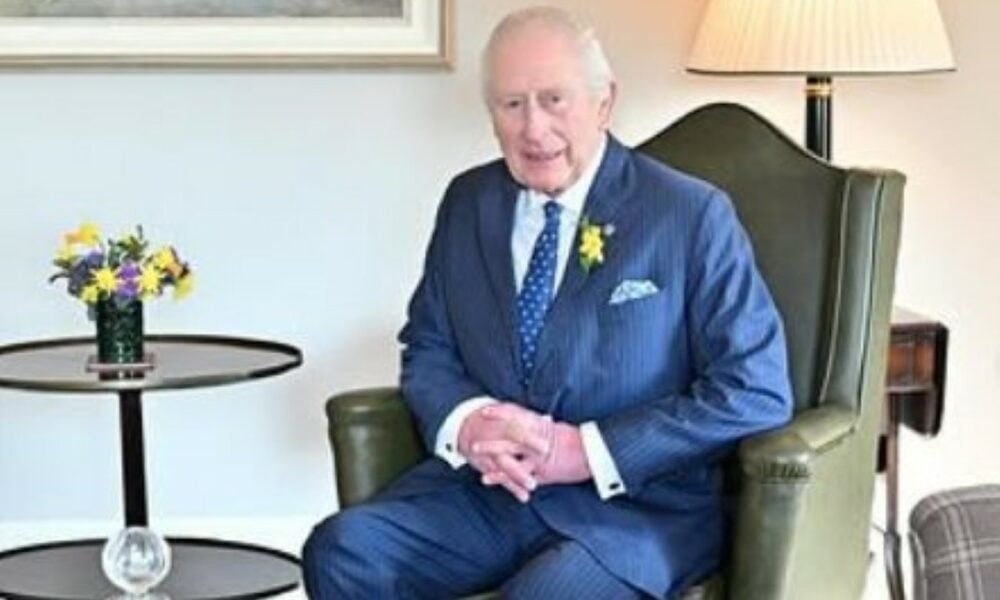
The British monarchy is undergoing a strategic transition, with King Charles III, aged 76, guiding Prince William and Kate Middleton, both 42, to assume the throne in the near future. Since the king’s cancer diagnosis was announced in February 2024, Buckingham Palace has intensified efforts to ensure the Crown’s stability. The royal couple’s preparation, amidst personal and institutional challenges, involves training in diplomacy, royal protocols, and leadership. This initiative reflects concerns over Charles III’s health, which has shown no significant improvement, and the need for a planned succession.
The preparation process gained urgency following the worsening of the king’s medical condition, limiting his public appearances. William, the direct heir, has already taken on prominent roles, while Kate, recently recovered from cancer treatment, gradually resumes her duties. The monarchy faces a delicate scenario, with internal issues and external pressures, such as debates over the institution’s relevance.
Key preparation focuses:Training in diplomacy and international relations.Management of royal engagements and charities.Strengthening the Crown’s image in the UK and Commonwealth.
The planned transition aims to ensure the Crown remains stable, regardless of the duration of Charles III’s reign.
The king’s health and its impact on the monarchy
Charles III’s cancer diagnosis, revealed after a procedure for a benign prostate enlargement, altered the British monarchy’s dynamics. Since February 2024, the king has undergone continuous treatment, but sources close to the Palace indicate no positive progress. The lack of details about the cancer type fuels speculation, while the Royal Household prioritizes discretion.
The king’s official schedule was reduced, with engagements transferred to other royals, particularly William. Events like traditional ceremonies and international trips were adjusted, and the king focused on lower-exposure activities. This shift underscores the need to prepare the next in line for greater responsibilities.
The medical scenario also raised discussions about abdication. While no official confirmation exists, Charles III’s deteriorating health prompted the Palace to consider more immediate transition scenarios, a rarity in modern British monarchy.
Intensive preparation of William and Kate
Prince William has stood out by taking on roles previously held by the king. In December 2024, he represented Charles III at the reopening of Notre-Dame Cathedral in Paris, also attending high-level diplomatic meetings. The prince’s performance demonstrates his ability to handle globally significant events, a core aspect of his training.
Kate Middleton, meanwhile, faced personal challenges in 2024. After abdominal surgery in January, she was diagnosed with cancer and underwent chemotherapy. Her recovery allowed a gradual return to public engagements, though at a reduced pace. The princess has focused on social causes, such as mental health and child support, reinforcing her image as a future queen consort.
The couple’s preparation covers several areas:
International diplomacy: Engaging with global leaders.Internal management: Coordinating Crown-related institutions.Commonwealth relations: Maintaining ties with Commonwealth nations.Royal protocols: Deepening knowledge of monarchical traditions and duties.
This training aims to ensure William and Kate are ready to lead the monarchy during a transformative period.
Line of succession and its implications
The British throne’s line of succession is clear and follows a strict order. If Charles III abdicates or passes away, Prince William will assume the throne as king, and Kate Middleton will become queen consort. Queen Camilla, Charles III’s current wife, would take the title of queen dowager, with a less central role.
William and Kate’s children hold strategic positions:
Prince George, aged 11, would be first in line.Princess Charlotte, aged 9, would hold the second position.Prince Louis, aged 6, would be third.
Prince Harry, William’s brother, remains fifth in line, but his distance from royal duties reduces his succession relevance. This clear structure helps the monarchy plan the future securely.
Institutional challenges of the Crown
The British monarchy faces questions about its relevance in a modern world. In recent years, movements in Commonwealth countries like Australia and Jamaica have sparked debates about continuing the Crown as head of state. William and Kate will need to strengthen these ties, promoting a renewed image of the monarchy.
Additionally, internal issues, such as Prince Harry and Meghan Markle’s departure from royal duties in 2020, created public tensions. William’s future leadership will need to address these divisions, fostering unity within the royal family. The couple’s popularity, especially among younger Britons, is seen as a key asset in overcoming these challenges.
William’s role in charities and social actions
Prince William has expanded his work in social causes, a vital pillar of the monarchy. He leads initiatives like the Earthshot Prize, focused on environmental solutions, and remains engaged in mental health projects. These efforts reinforce his image as a modern leader aligned with contemporary concerns.
Kate has also excelled in her projects. Her campaign for early childhood development, the Centre for Early Childhood, gained international recognition. Even during her cancer treatment, the princess maintained activities related to this cause, showcasing resilience and commitment.
Historical precedents of succession
The British monarchy has a long history of transitions, some marked by unexpected events:
In 1936, Edward VIII abdicated to marry Wallis Simpson, leading his brother, George VI, to the throne.In 1952, George VI’s premature death placed Elizabeth II, then 25, in charge.In 2022, Elizabeth II’s passing marked Charles III’s ascension after decades of preparation.
These moments show the Crown’s pursuit of stability, even in challenging circumstances. William and Kate’s preparation follows this tradition, but under greater media scrutiny and public pressure.
Kate’s health and family balance
Kate Middleton’s cancer diagnosis, announced in 2024, significantly impacted the royal family. The princess underwent months of treatment, requiring William to adjust his schedule to support his wife and care for their children. Kate’s recovery, though successful, still requires care, and her return to public duties has been gradual.
Kate’s personal experience with cancer also brought her closer to health-related causes. She participated in events at hospitals and cancer support centers, using her platform to raise awareness about early diagnosis.
Commonwealth relations
The Commonwealth, comprising 56 nations, is a priority for the monarchy. Charles III devoted part of his reign to strengthening these ties, but his weakened health limited his travels. William and Kate have begun representing the Crown on official visits, such as their 2022 Caribbean tour, though they faced criticism over colonial issues.
The couple’s future leadership will need to navigate these tensions, promoting dialogue and modernization. William’s ability to connect with global leaders will be crucial to maintaining the monarchy’s international influence.
Popularity and public support
William and Kate enjoy high popularity in the UK. Recent polls indicate the couple is seen as a bridge between the monarchy’s tradition and a more diverse, connected society’s expectations. Kate’s empathetic communication and William’s environmental engagement strengthen this perception.
The transition to William’s reign will test the monarchy, but the couple’s careful preparation and positive image suggest the Crown is adapting to 21st-century challenges.