
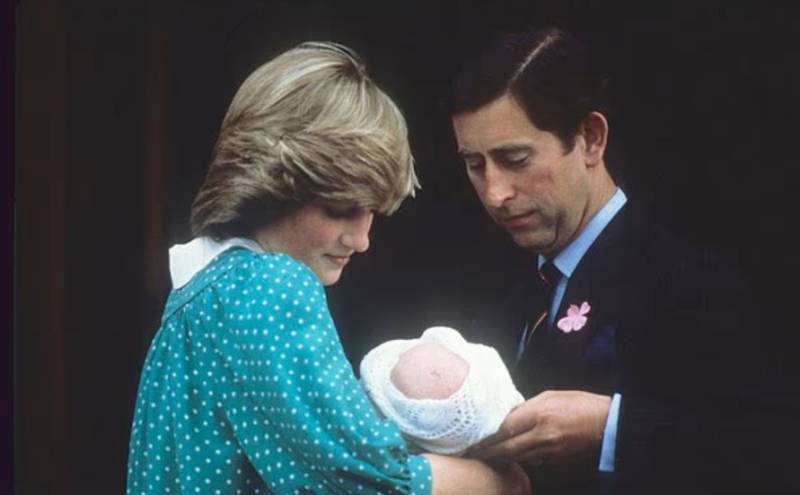
Princess Diana and her future daughter-in-law, Kate Middleton, the Princess of Wales, were separated by a generation. Still, both endured the same agonising condition during pregnancy: severe morning sickness.
In 1981, at just 20 years old and newly pregnant with Prince William, Diana faced intense pressure under the spotlight of royal life. She silently battled hyperemesis gravidarum, a severe form of morning sickness marked by constant nausea, vomiting, and dehydration.
Diana revealed her struggles in secret audio tapes later used by biographer Andrew Morton in Diana: Her True Story. “Couldn’t sleep, didn’t eat, whole world was collapsing around me,” she said. “Almost every time I stood up I was sick… duty was all over the shop. I didn’t know which way to turn.”
On a public visit to Wales with Prince Charles, Diana pushed through royal duties while suffering in silence. “This family’s never had anybody who’s had morning sickness before,” she recalled in the tapes. “It was so embarrassing.” Despite her worsening condition, palace statements maintained that the Princess was in “excellent health.”
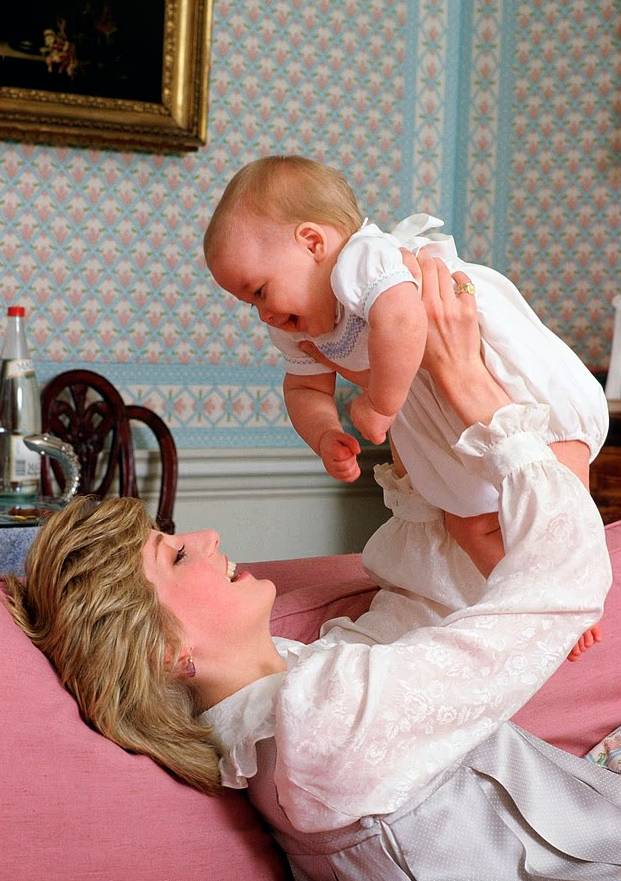
In a heartbreaking moment in January 1982, Diana, feeling desperate and unheard-threw herself down a staircase while four months pregnant. “I had told Charles I felt so desperate,” she said, but he dismissed her pain. Though bruised, Diana and her baby were unharmed.
Thirty years later, Kate Middleton would go through similar anguish. Diagnosed with hyperemesis gravidarum during her first pregnancy in 2012, she was hospitalized before reaching the usual 12-week announcement mark. Unlike Diana’s, Kate’s condition was met with public concern and professional care-reflecting a shift in how the condition is treated and understood.
Kate later revealed she experienced the same extreme sickness during all three of her pregnancies. In 2023, she spoke with a father whose wife had suffered from the same illness, making a rare comment about her own journey. Her openness brought greater awareness to the condition and underscored the emotional and physical toll it takes on expectant mothers.
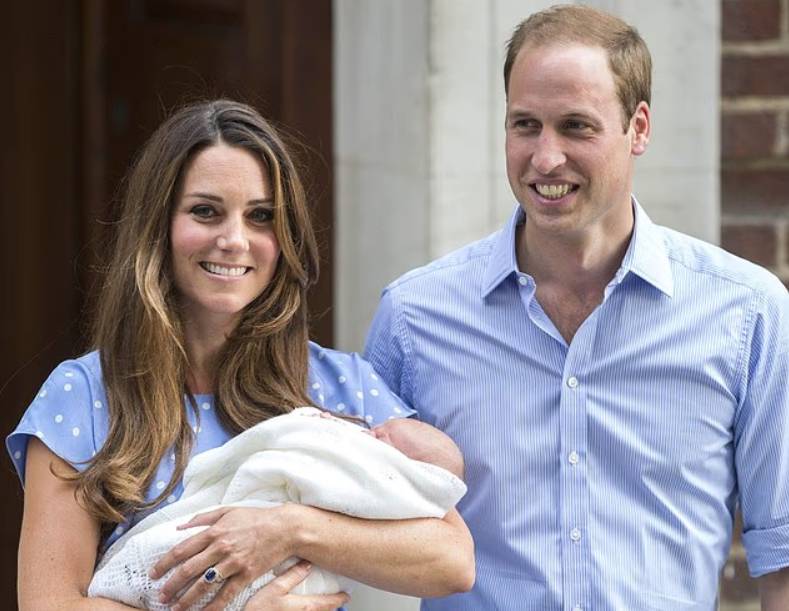
Today, Kate has dedicated part of her royal work to early childhood development. Her five-year “Shaping Us” campaign, launched through the Royal Foundation Centre for Early Childhood, advocates for understanding the critical first years of life effort that began even before she became a mother.
Though decades apart, Diana and Kate’s shared battle reflects how royal women are not immune to deeply human experiences-and how much attitudes toward maternal health have evolved within the monarchy.