
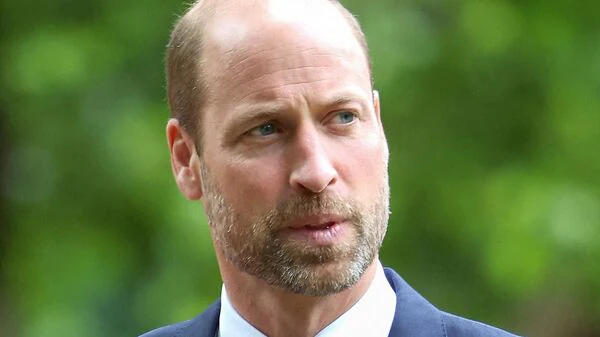
(MENAFN- Live Mint) Prince William has decided to let go of thousands of euros in rent from charities in the Duchy of Cornwall on lifeboat stations, the fire service, village halls and school playing fields.
His decision comes after The Times reported that his private property empire was making large sums of tax-free money from charities and community groups, and provided William with a private income.
According to the outlet’s latest report, the Duchy of Cornwall said it had taken the opportunity“to stop and reflect” on the reports of profit from rent from charities.
It said it now wishes to adopt a“new policy” to ensure it was“a force for good in the years to come”.
Also Read | Kate Middleton’s secret edge: She always beats Prince William at THIS sport
According to the report, this year alone the Duchy of Cornwall raised £22.9 million (approximately ₹229 crore) for Prince William , which he used to fund their private homes, personal income and staff.
Under the new policy, Charles and William operate as commercial landlords of the estate while holding a special status exempting them from paying corporation tax on their profits.
Tax-free profits
According to the investigative report that forced this“new policy” of Prince William’s estate, King Charles and his elder son were making millions of pounds a year in tax-free profits by charging charities and community groups for the right to use lands, rivers and seashores.
These charities and community groups were being charged for using land largely seized by the monarchy in medieval times. These groups include the armed forces, the National Health Service (NHS), schools, the prison service, and councils.
Also Read | Prince William’s charity polo cup cut ties with donor What changes now?
According to the latest announcements, the Duchy of Cornwall will stop imposing rental charges on the following:
£600 ( ₹60,140) annually from the Royal National Lifeboat Institution for access to beaches at Salcombe, Sennen Cove, the Lizard, Rock, and St Mary’s (Isles of Scilly). £15,000 ( ₹15,03,450) over 50 years from Devon County Council for Princetown fire station’s use of Duchy land. Thousands of euros are raised annually from local communities for access to village halls (Curry Mallet, Newton St Loe), allotments (Bradninch), and a community orchard in Newquay, which supports disadvantaged groups. £3,000 ( ₹3,00,690) over 20 years from Trinity House for operating the Bishop Rock lighthouse in the Isles of Scilly. Thousands annually from councils and schools for public use of playing fields and recreation grounds in Princetown, Corston, Clandown (near Bath), and Stoke-sub-Hamdon (Somerset). £125,000 ( ₹1,25,28,750) over 25 years from the government for use of the visitor centre and shop at Tintagel Castle, supporting its preservation. £200 ( ₹20,046) annually for a children’s play area in Poundbury, Dorset, plus rental income from the Scouts. Also Read | Prince William marks Diana’s birth anniversary with push to tackle homelessness
The estate also said that it is reviewing the rents it charges state schools.
Currently, Devon County Council must pay the Duchy at least £319,000 ( ₹3,19,73,370) over 21 years to operate Princetown Community Primary School on Dartmoor. The Farrington Gurney Church of England Primary School, near Bath, is paying £60,000 ( ₹60,13,800) over 25 years for use of its premises.
Despite this new approach, the duchy said it will continue to take large taxpayer-funded rents from government departments.
MENAFN08072025007365015876ID1109776003