
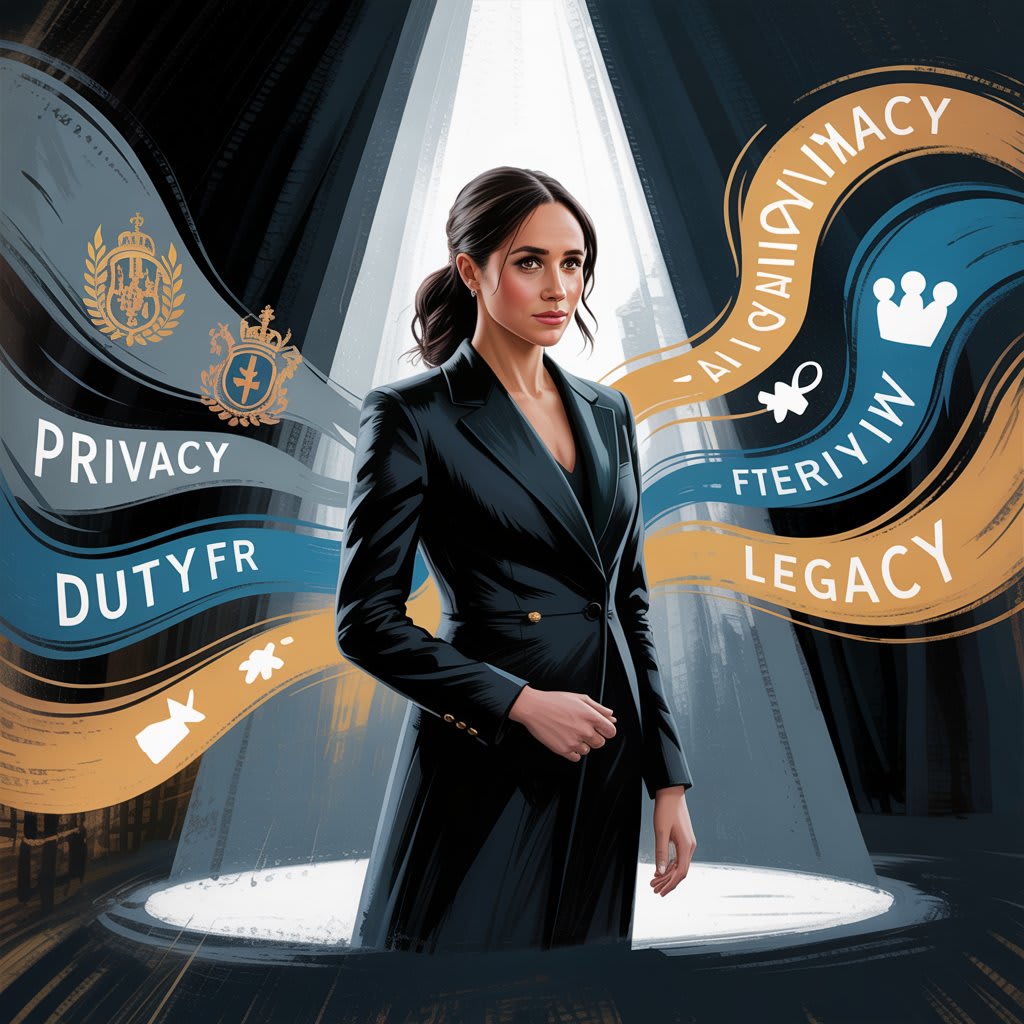
When Meghan Markle married into the British royal family, the world watched in awe. An American actress stepping into centuries-old royalty felt like a true fairytale rewrite. For a while, everything seemed picture-perfect: royal titles, global fame, and a platform that extended beyond red carpets and scripts. But behind the curated smiles and high-profile interviews, something less glamorous was taking shape.
It didn’t take long before whispers turned to headlines. Meghan and Prince Harry’s exit from royal duties was branded a bold move toward freedom. But for many watching closely, it marked the beginning of a slow unraveling — not of their relationship, but of the image Meghan had crafted so carefully.
When Reality Outshines the Dream
The harsh truth? Meghan may have expected royal life to come with billion-dollar perks — castles, endless luxury, and generational wealth. Instead, what she found was a husband carrying emotional baggage, financial limitations, and fractured family ties. Prince Harry, once a symbol of rebellion and charm, began to look less like a partner and more like a man adrift.
Their move to the U.S. opened new doors, but it also brought new challenges. Netflix, Spotify, media ventures — all backed by heavy contracts and even heavier expectations. But despite the hype, substance seemed scarce. Meghan’s content — from empowerment talks to pineapple-cutting tutorials — failed to resonate. Critics didn’t just roll their eyes. They laughed.
A Brand Without a Base
At the heart of the struggle is a simple dilemma: Meghan wants to be seen as both elite and relatable. She markets herself as a “normal mom” while flying private and attending exclusive tech retreats. It’s a mismatch that audiences and even neighbors in Montecito have noticed.
The attempt to build a Martha Stewart-style brand has faltered. Her lifestyle ideas — once intended to inspire — now land as overly staged or hollow. Even a viral clip about cutting pineapples by “nature’s lines” was widely mocked rather than praised. When content designed to boost relatability becomes meme material, the message is clear: the brand isn’t connecting.
Hollywood’s Cooling Embrace
Once warmly welcomed in elite circles, Meghan now faces a cold front from former allies. Oprah Winfrey, Mindy Kaling, the Obamas — voices once publicly supportive — have gone silent. Even Tyler Perry, who once offered sanctuary and support, has shown signs of distance.
Industry insiders whisper that she’s become “box office poison.” The media projects don’t perform. The buzz fades fast. And her presence — once a draw — now causes hesitation. It’s a tough turn for someone who built her post-royal identity on being marketable and magnetic.
The Prince Left Behind
Through it all, Prince Harry seems to shrink further from the spotlight. Once a prominent voice on mental health and veterans’ issues, he now appears as a side character in Meghan’s narrative. Rarely leading, often nodding, his public persona has shifted from independent to compliant. Supporters who once saw him as a rebel now wonder if he’s simply lost.
Chasing a New Chapter
According to various sources, Meghan hasn’t stopped aiming high. She’s reportedly re-entering elite rooms — Silicon Valley meetups, tech galas, and private events — not just for networking, but possibly seeking new beginnings. Rumors swirl about a potential billionaire suitor or strategic proximity to powerful media executives.
But here’s the challenge: powerful men and major brands are cautious. They see through PR-crafted images and seek authenticity, stability, and profitability. Meghan’s current brand offers little of that.
A Public Shift in Tone
Even casual observers have started to notice. Comments once filled with admiration have turned to critique. When Brooke Shields — known for grace in Hollywood — makes a light jab about Meghan’s go-to “I wrote a letter at age 11” story, it lands as a cultural reset. People are no longer nodding along. They’re questioning, doubting, even laughing.
The shift is bigger than media noise. It reflects a culture tired of curated personas, recycled origin stories, and influencer-level content wrapped in luxury. Authenticity wins in today’s landscape — and Meghan’s version of empowerment, however well-meaning, feels manufactured.
Conclusion: A Cautionary Tale in the Making
Meghan Markle’s journey from royal bride to Hollywood figurehead is no longer viewed as revolutionary. It’s now becoming a warning — about the dangers of over-branding, the limits of PR, and the fading returns of fame without substance.
She may still find her place. She may even pivot successfully. But for now, the glow has dimmed. And the world is watching — not with admiration, but with a skeptical eye and a tired shrug.