
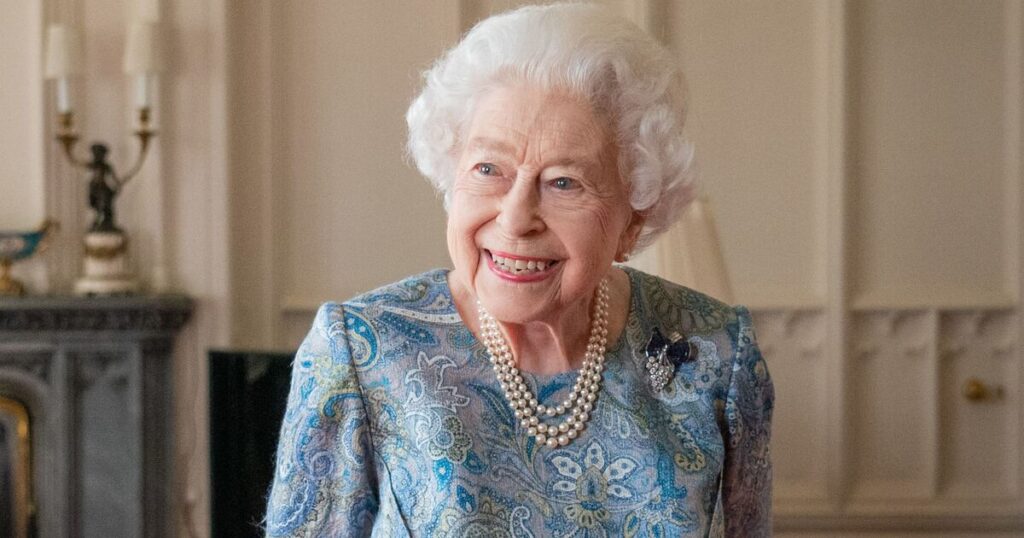
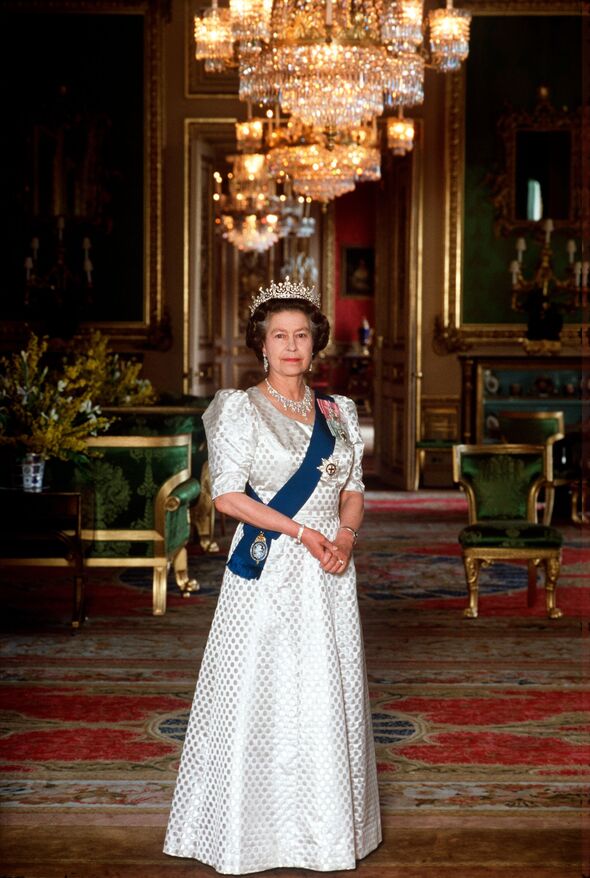
When Elizabeth II came to the throne in 1952, a woman had never been elected as a head of state or as a head of government anywhere in the world. (Image: Tim Graham Photo Library via Getty Images)
It was a dull day on September 8, 2022, when my phone began to ring repeatedly. Was I available right now for a telephone interview or a discussion over Zoom?
Could I get to Buckingham Palace, where the world’s major news organisations were already assembling in portacabins arranged in an arc around zealously tended flowerbeds from Canada Gate to the Mall?
By now Buckingham Palace had informed the world that the health of Queen Elizabeth II, who had recently celebrated her Platinum Jubilee, was failing. Her Majesty, who was the world’s longest-reigning living sovereign and, as far as records allow, the longest-ruling woman in history, died at Balmoral in Scotland later that afternoon with her family around her. The public announcement was made at 6.30pm.
In London, it rained heavily all through the night, but crowds were already gathering at the gilded gates of Buckingham Palace the next morning. Leaving my post in the press area, I walked over past the great memorial to another queen, Victoria, who sits sculpted and blank-faced, looking away from the seat of the British monarchy.
There were flowers and messages, as well as people – shell-shocked, grieving or simply curious. As the days drew on, the crowds became immense, while people queued for long hours to pay their respect to the monarch in ancient, solid Westminster Hall.
As a royal historian, I have never been so busy, while my work never felt so current or important as I set the Queen within the context of her role as monarch in countless interviews in the days following her death.
When Elizabeth II came to the throne in 1952, a woman had never been elected as a head of state or as a head of government anywhere in the world. It was therefore to her predecessors as reigning queens – Victoria, Elizabeth I, but also further afield – that she had to look to for precedents for female power.
Reigning queens – or “female kings” – date back to the very start of recorded history. Merneith, a First Dynasty Egyptian pharaoh reigned approximately 5,000 years ago, arranging her own burial in a glorious tomb accompanied by sacrificed servants buried with the tools of their trades to assist them in their everlasting labour, including paints for her artist and model boats for her shipmaster.
In the millennia since there have been ruling women across the globe, from Cleopatra to Maria Theresa and Catherine the Great, as well as less well-known women such as the twelfth-century Tamar of Georgia, who is remembered as her kingdom’s greatest ruler.
When Elizabeth II became queen in February 1952 there were many who looked for parallels with her predecessors as queen, with the hope that her reign would spark a New Elizabethan Age, echoing that of her namesake, Elizabeth I.
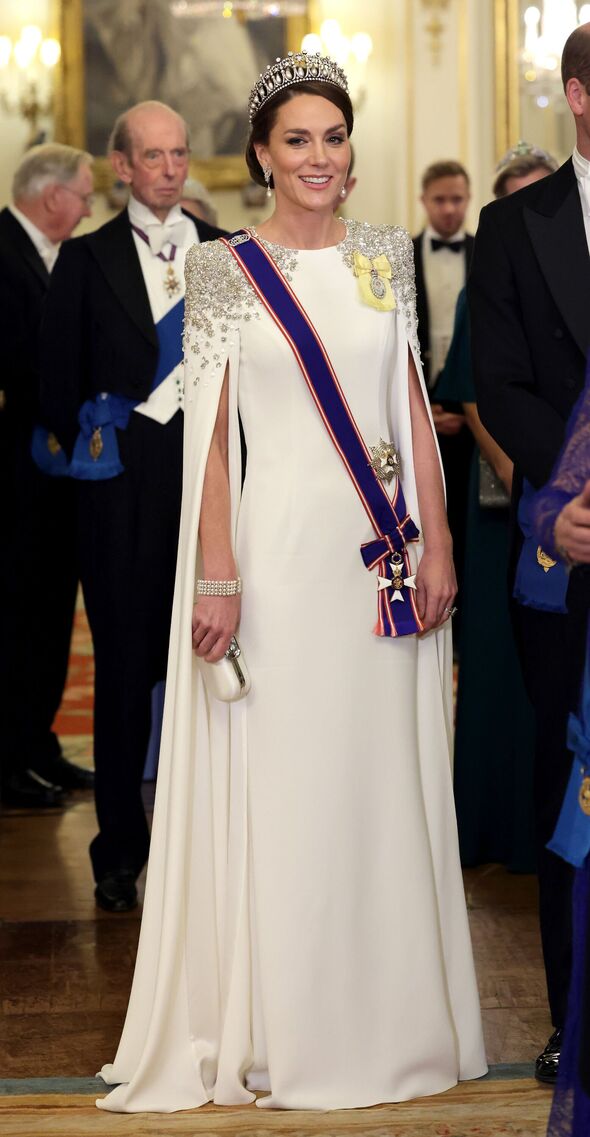
Kate, Princess of Wales and future queen served more than a decade of apprenticeship under Elizabeth II, learning the ropes. (Image: Getty Images)
Reigning queens have always been comparatively rare, with even Ancient Egypt, which is famous for some of its female pharaohs, averaging only around one queen every 300 years. As a result, people have always looked for similarities between them.
Elizabeth II was, at least in the early decades of her reign, always the only woman in the room during meetings of heads of state and heads of government, something which queens from around the world could well understand.
There is a famous painting of Queen Victoria, depicting the then-teenaged queen on the day of her accession in 1837 sitting at the head of a table, surrounded by the men of her government. The warrior queen Isabel I of Castile (part of modern Spain), who reigned from 1474 until 1504, as well as the infamous Cleopatra, who reigned in Egypt from 51 BC until 30 BC are also frequently depicted in works detailing the events of their reign as the only women in the scene.
Reigning queens have, at least until the last few decades, always been a last resort the world over, something with which Elizabeth II could undoubtedly empathise. At her birth in 1926 she was an unlikely monarch and even in the run up to her accession she remained only “heiress presumptive” to guard against the (remote) possibility that her parents could produce a son to supplant her.
On becoming queen, Elizabeth II entered a select club whose members are scattered and sparse, but there to be seen throughout history. There were, of course, differences too. Elizabeth II’s was the first coronation to be televised and she lived in a world that would see space shuttles and the internet.
She was the first British reigning queen whose voice was widely known to her subjects, treading a fine line between the mystique of royalty and the celebrity of modern media figures. In this, she was joined by other reigning queens of the twentieth century, from Wilhelmina, Queen of the Netherlands, who broadcast over the airwaves to her occupied country during the Second World War and to Margrethe II of Denmark, whose shock abdication in 2024 made headlines around the world.
Salote Tupou III of Tonga still brings a smile to the eyes of anyone old enough to remember Elizabeth II’s coronation in 1953 when she made headlines by riding through the torrential rain of the coronation procession with the roof of her carriage respectfully down.
The Tongan queen became an instant global celebrity, with one airline even hurriedly reinstating a defunct aeroplane route to Tonga to allow curious visitors to visit the “tallest queen of the smallest kingdom”.
For Elizabeth II who was naturally shy and reserved, it was a difficult path to tread and she would find that she, like her queenly predecessors, was often subject to greater public scrutiny and held to higher standards than the men in her life.
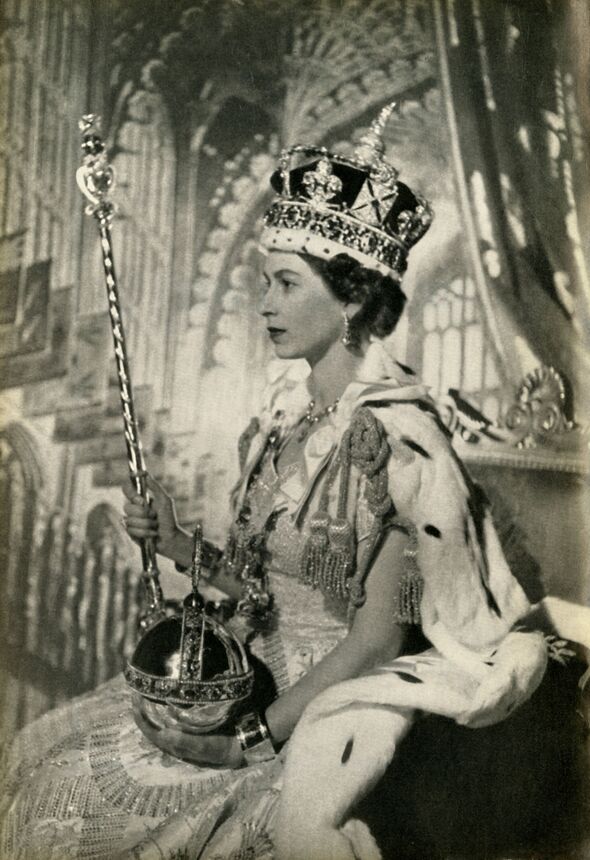
At her birth in 1926 Queen Elizabeth II was an unlikely monarch and even in the run up to her accession she remained only “heiress presumptive” to guard against the (remote) possibility that her parents could produce a son to supplant her. (Image: Getty Images) History’s overlooked queens
Ranavalona I of Madagascar, known as “Bloody Mary” or a “Female Caligula”, took the throne on the death of her husband in 1828 and ruled for thirty-three years, determined to maintain her kingdom’s traditional life. She expelled all Christian missionaries from her country before telling the British in 1837 that she intended to break off diplomatic relations. When the British and French made a joint assault on her island in 1845, she repelled it, displaying twenty heads on poles on the coastline as a warning against further incursions. Presenting an incongruous figure in her Parisian haute couture, Ranavalona’s blunt approach to diplomacy kept Madagascar free of colonising powers during her lifetime.
ISABEL I of Castile is perhaps history’s most influential reigning queen having united Spain along with her husband, Ferdinand II of Aragon. She is best known for funding Christopher Coloumbus’s voyage in 1492, with his discovery of the Americas bringing untold riches to Spain and leading to the settlement of this New World by Europeans. She was far from alone in expanding her dominions.
MARGRETE I of Denmark and Norway added Sweden to her tally of kingdoms in 1389 after conquering the country. She created the Kalmar Union of her Scandinavian kingdoms, which saw them united under one crown for more than a century. She is surprisingly little remembered today, despite being, arguably, the most powerful woman in medieval Europe.
SUIKO (r.593-628), the first reigning empress of Japan, sponsored the writing of history in Japanese for the first time. She reigned for thirty-five years in an era in which women were largely expected to be invisible.
This is a lesson undoubtedly learned by Camilla, who follows Elizabeth II as queen although not as monarch, and Kate, who will eventually take on the challenge of queenship. Both women are consorts, but they are undoubtedly part of Elizabeth’s legacy, with Camilla owing her position to her mother-in-law’s express desire that she be called queen rather than princess consort as originally declared.
Kate, Princess of Wales and future queen served more than a decade of apprenticeship under Elizabeth II, learning the ropes. The seventy years in which Elizabeth II reigned were not always easy.
She famously declared 1992 to be her “annus horribilis”, emerging patiently from a year that witnessed royal marital separations and a devastating fire at Windsor Castle. At the time of her Diamond Jubilee in 2012, many were looking forward to an unprecedented Platinum Jubilee that she seemed certain to reach.
Very few rulers before her and certainly no British ones achieved such a milestone.
There will not be another British reigning queen in most of our lifetimes, with the line of succession looking decidedly male for the next two generations. Elizabeth I, taking the throne nearly 500 years ago, adopted as her motto the Latin “Semper Eadem”, which means “always the same”. Elizabeth II, whose long reign witnessed unparalleled social, political and personal alterations could hardly adopt such a sentiment.
The maxim by which she lived, “never complain, never explain” sums up both her reign and legacy. Stoic and dutiful, she kept up the aura of monarchy while appearing as an accessible and well-known figure on a world-stage.
From being the only female world leader in the room she was eventually one of many, including in her final photographs, taken two days before her death, when she welcomed her final Prime Minister, Liz Truss. She was working mere hours before her death.
Following the hectic few weeks between the Queen’s death and her funeral and burial, I was able to take a few days to reflect, returning home from playing a small part in the round-the-clock reportage of what was, for everyone in Britain under the age of seventy, an unprecedented occurrence. The crowds were soon gone from the gates of Buckingham Palace, but the flowers remained. The sentiment did too.
While sometimes criticised and not always perfect, the legacy of Elizabeth II’s seventy years on the throne lives on. Like her great-great-grandmother, Victoria, and many of the world’s other reigning queens, she has proved a tough act to follow.
It will take some time before another queen – likely Kate Middleton as queen consort – replaces Elizabeth II in our understanding of what a queen is and can be. The continuation of queenship and monarchy in Britain is undoubtedly Elizabeth’s greatest legacy.
But crucially, in imparting this lasting imprint on our oldest form of governance, she drew upon the examples of the countless women who came before her and who, like her, dared to reign.
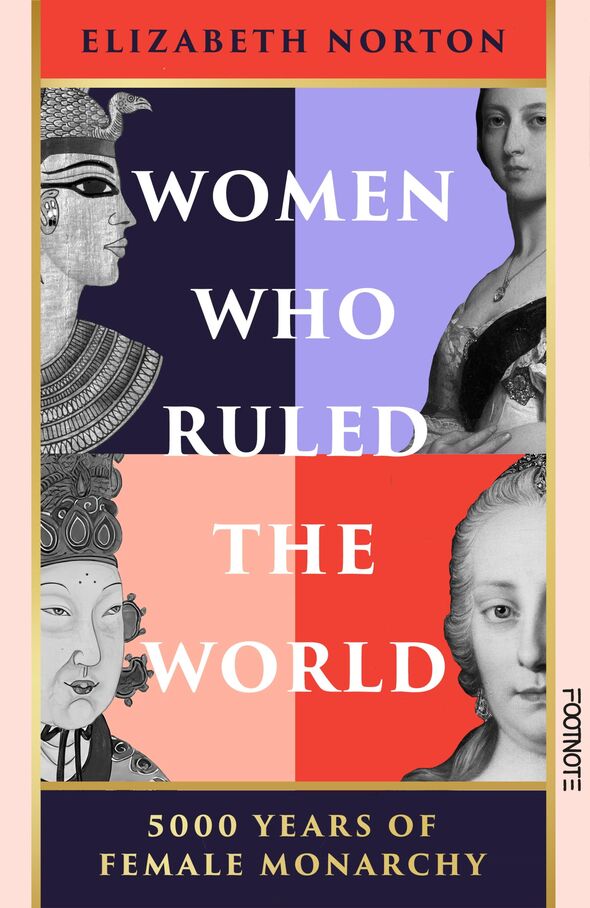
Women Who Ruled The World by Dr Elizabeth Norton (Footnote, £25) is out now (Image: -)