Share
Tweet
Share
Share
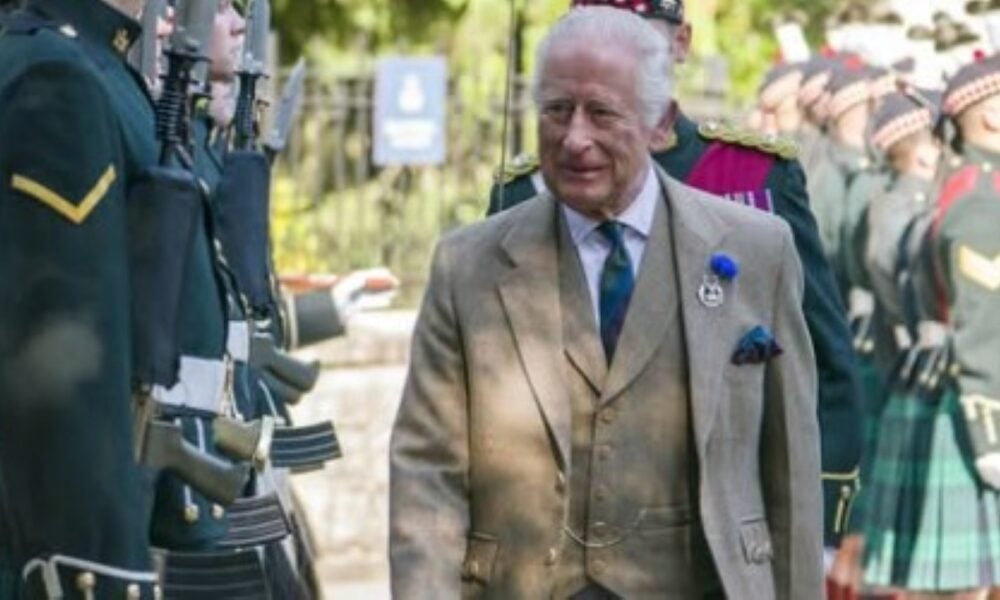
A brief tea at Clarence House rekindled hopes of reconciliation within the British royal family, but quickly dispelled illusions. Prince Harry, 40, arrived at his father’s official residence on September 10, 2025, after attending charity events in London. The meeting lasted less than an hour, without aides or other family members present. Sources close to the palace describe the moment as cordial but laden with realism about the limitations imposed by monarchical tradition.
Harry’s visit to the UK marked his first extended appearance in the country since April 2024, when he lost a legal battle over police protection. He attended the WellChild Awards, a cause he has supported for 18 years, and laid flowers in tribute to his grandmother, Queen Elizabeth II, on the third anniversary of her death. These humanitarian gestures contrasted with underlying tensions, particularly regarding his official role.
The meeting with Charles, 76, occurred amid the king’s ongoing cancer treatment, diagnosed in February 2024. Harry expressed relief at his father’s well-being, as shared with reporters afterward. However, the private conversation did not alter the guidelines set by Queen Elizabeth in 2020, when Harry and Meghan Markle announced their withdrawal from royal duties.
Key events of Harry’s trip: WellChild Awards on September 8, visit to the Blast Injury Research Centre at Imperial College, and Invictus Games Foundation reception.Exact duration of the tea: 53 minutes, starting at 5:20 p.m. local time.Notable absences: Queen Camilla and Prince William were not present.Harry’s statement: focused on his father’s health, no comments on institutional matters. 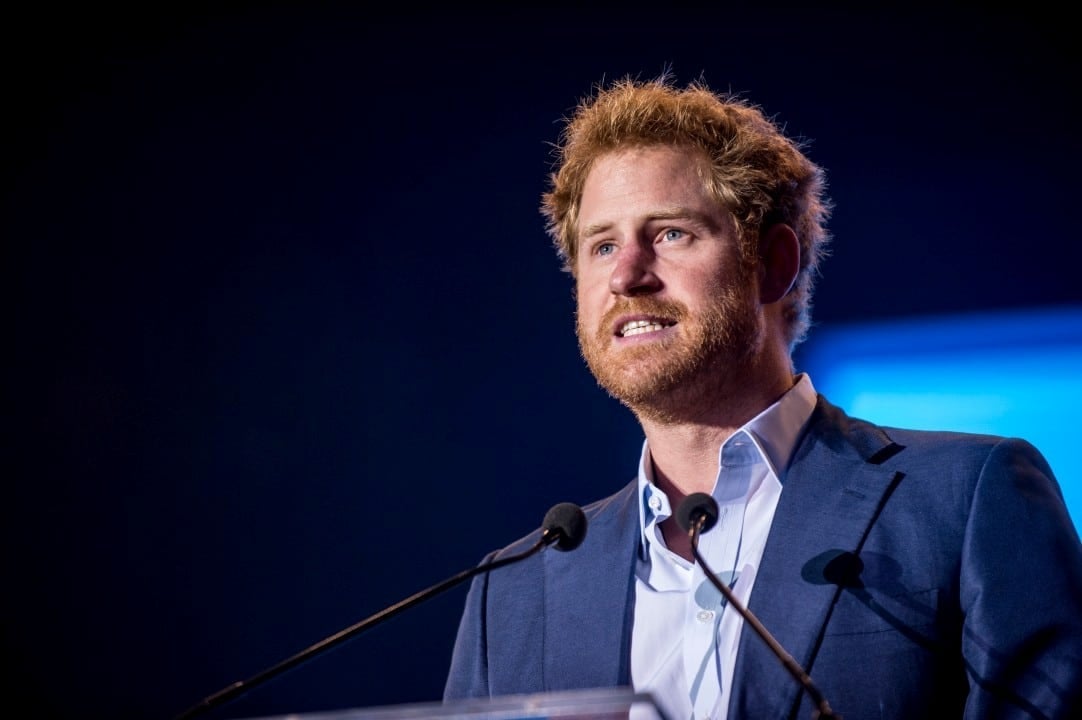 Harry – Foto: Euan Cherry / Shutterstock.comBehind the scenes of the private reunion
Harry’s arrival at Clarence House sparked immediate speculation among royal observers. He stepped out of a black Range Rover, straight from an academic engagement, and left 53 minutes later for another event. The palace confirmed the private tea but avoided details, reinforcing the discretion surrounding family interactions since 2020.
Charles had traveled from Balmoral, Scotland, to London days earlier, adjusting his schedule to include his son. Camilla’s absence was seen by some as a sign of neutrality, allowing a direct father-son dialogue. Harry maintained an optimistic tone in public, highlighting the joy of reconnecting with friends and supporters of causes like the Invictus Games.
This meeting marked the first in-person contact in 19 months, since February 2024, when Harry flew from California to support his father after the cancer announcement. That encounter lasted just 30 minutes but planted seeds for future contact. In May 2025, Harry publicly expressed a desire for reconciliation, citing life’s brevity as motivation.
The king’s health added urgency to the moment. Charles resumed public duties in June 2025, after partial remission, but cancels engagements when needed. Harry, in a BBC interview, emphasized his love for family and gratitude for being able to travel quickly in emergencies. These personal elements softened the tone but did not resolve institutional issues.
Unwavering stance on royal duties
Charles upheld the hard line set by Elizabeth II in January 2020, rejecting the “half-in, half-out” model proposed by the Sussexes. That decision finalized Harry’s exit from senior roles, stripping military titles and patronages. The king, described as conciliatory, reiterated that the monarchy requires full commitment to preserve its integrity.
Palace sources mocked rumors of a “new working model,” likening them to exaggerated historical negotiations. Speculation arose after Harry’s four-day visit, suggesting he might partially resume duties while living in the US. However, the monarch prioritizes the cohesion of the line of succession, anchored by William and his family.
The stance reflects lessons from 2020, when Harry’s proposal caused internal divisions and public criticism. The Prince of Wales, 43, supports this view, focusing on duties as heir. His packed schedule during his brother’s visit avoided overlap, signaling that family reconciliation does not alter official structures.
Key elements of the 2020 decision: rejection of hybrid arrangements, loss of Frogmore Cottage residence, and repayment of £2.4 million in public-funded renovations.Impact on Harry: end of access to sovereign funds and reliance on independent ventures like Netflix and Spare.Recent rumors: possible joint appearances in 2026, but no return to duties.William’s position: emphasis on unity with Kate and their children, avoiding interference.Persistent tensions with William
William avoided interaction during Harry’s London stay, prioritizing engagements in Windsor and Norfolk. The Prince of Wales, taking on more duties during his father’s treatment, views reconciliation as secondary to institutional stability. Revelations in Harry’s 2023 memoir Spare deepened the rift, including accounts of physical altercations and criticism of Kate.
The state visit by Donald Trump the previous week highlighted the “unbreakable bond” between Charles and William, serving as a reminder of the active monarchy’s strength. The event included a Windsor dinner, where the president praised royal continuity, contrasting with Harry’s absence. Sources indicate William resists peace talks, fearing precedents for other members.
Harry, in a press statement, avoided mentioning his brother, focusing on his father. However, past comments about “truth before reconciliation” linger on social media, fueling debates. Geographical and legal distance, including the loss of automatic protection, complicates frequent returns.
Harry’s focus on causes like wounded veterans through the Invictus Games differs from William’s official calendar, which includes environmental conservation and mental health. This divergence reinforces perceptions of separate paths, with the heir prioritizing the core family.
Speculation on family’s future
Statements attributed to Harry’s allies sparked irritation at the palace, seen as attempts to push a unity narrative. A spokesperson for the duke emphasized satisfaction with the trip, highlighting reunions with old colleagues and philanthropy support. However, official silence on details maintains the mystery.
The possibility of bringing Archie, 6, and Lilibet, 4, to the UK emerged in May 2025, but security issues persist. Harry won partial court appeals but lacks automatic government escort. He plans gradual visits, influenced by the recent meeting.
Camilla, absent from the tea, quietly supports her husband’s efforts, prioritizing his health. The king, in remission since June, plans lighter 2026 schedules, possibly including limited joint events. Analysts note that the modern monarchy values personal ties but not at the expense of protocol.
2026 predictions: shared charity events, like child welfare, without royal titles.Logistical barriers: Montecito residence and Meghan’s Hollywood commitments.Health influence: Charles’ treatment drives dialogue but limits frequency.Public opinion: polls show 55% support for partial reconciliation, per Daily Mail.Influence of humanitarian causes
Harry used the trip to bolster philanthropy, like the WellChild Awards, honoring 20 youths with chronic conditions. As patron, he presented trophies and announced £500,000 in donations, aiding 12,000 families in 2024. The event, on Elizabeth’s death anniversary, included emotional tributes.
At Imperial College, Harry revisited the Blast Injury Research Centre, opened in 2013, discussing veteran treatment advances. His Invictus Games Foundation, set for Vancouver 2025, raised funds at an evening reception, delayed by the tea with his father.
These activities highlight Harry’s shift to independent activism, driving 15% more program enrollments in 2025. He connects with families, sharing experiences of loss and resilience, inspired by his post-military journey.
The London reception was low-key, without crowds, but positive among supporters. Harry praised the “incredible work” of meaningful causes, contrasting with past criticisms of the royal institution.
Media narratives under scrutiny
Coverage ranged from optimistic to skeptical, with British tabloids questioning the meeting’s brevity as a sign of formality. Reports of “massive steps” clashed with quips about “teas as treaties,” reflecting fatigue with speculation. Harry avoided leaks, but allies seeded optimism.
In post-trip appearances, like Ukraine on September 12, he reiterated a family focus without details. American media, via People, emphasized emotion, while British outlets prioritized institutional realism. This duality reflects Harry’s diaspora, balancing roots and new life.
The palace manages narratives cautiously, avoiding premature endorsements. William, in parallel engagements, reinforced unity with Kate, including school visits. The absence of joint photos maintains a balance between privacy and public scrutiny.