

Celebrity culture loves a rise, a fall, and—most of all—a comeback. We watch famous people unravel in public not because we’re cruel, but because their collapses mirror pressures many of us face privately, just without the safety net of anonymity. The past two decades have given us some truly jaw-dropping celebrity meltdowns, followed—sometimes years later—by thoughtful, hard-won turnarounds that changed public perception entirely. These are the most unforgettable examples where collapse didn’t become the end of the story.
1. Winona Ryder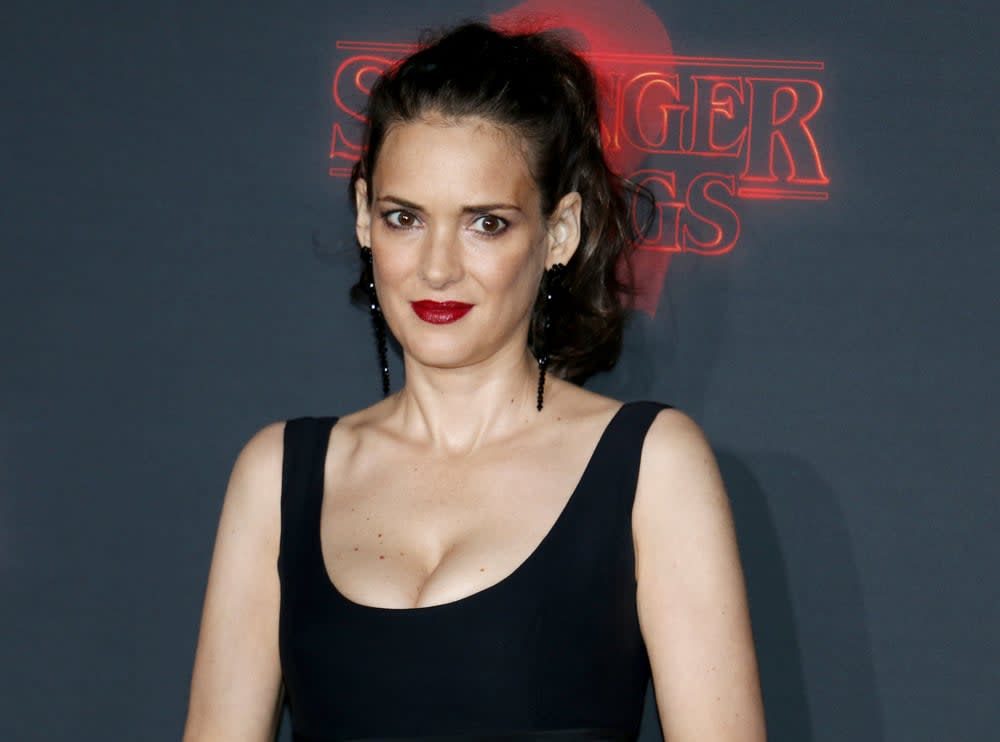
Shutterstock
Winona Ryder’s 2001 shoplifting arrest shocked fans who associated her with quiet, introspective roles. The media response was brutal, framing her as entitled, unstable, and unserious. Her career slowed dramatically afterward, and Hollywood largely shut its doors. The punishment far exceeded the crime.
Her turnaround came quietly, without press tours about personal growth. Ryder returned through thoughtful roles that emphasized depth rather than spectacle. By the time Stranger Things premiered, audiences welcomed her back with nostalgia and respect. Her redemption showed that sometimes the best response to scandal is patience.
2. Britney Spears
Shutterstock
Britney Spears’ 2007 breakdown became one of the most publicly dissected mental health crises in modern celebrity history. Paparazzi swarmed her relentlessly, documenting hospitalizations, shaved-head photos, and custody struggles in real time. According to reporting by The New York Times and later investigations into the conservatorship system, her collapse was fueled by media exploitation, postpartum depression, and extreme loss of autonomy. The public consumed as spectacle was, in reality, a woman being medically and legally stripped of agency.
Her turnaround didn’t come from a glossy comeback album but from a slow legal reckoning. The #FreeBritney movement reframed her narrative from “unhinged pop star” to “woman trapped by an abusive system.” By the time her conservatorship ended in 2021, public sympathy had fully shifted. Britney’s legacy now includes not just pop dominance, but a cautionary tale about power, misogyny, and mental health.
3. Miley Cyrus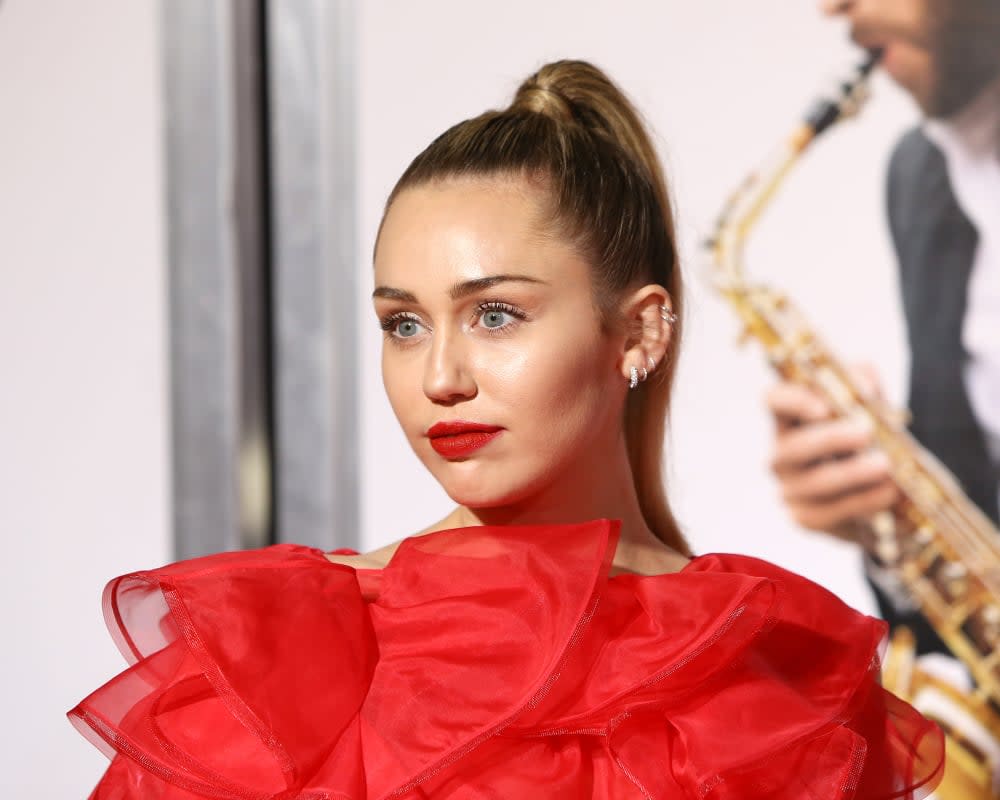
Shutterstock
Miley Cyrus’ post-Disney rebellion was widely labeled a meltdown rather than a transition. Provocative performances and public clashes dominated coverage. Critics framed her as spiraling rather than experimenting. The judgment was swift.
Her turnaround reframed that era as a period of self-definition rather than collapse. Cyrus recalibrated her image without disowning her past. She now controls her narrative more deliberately. Growth didn’t require an apology—just perspective.
4. Lindsay Lohan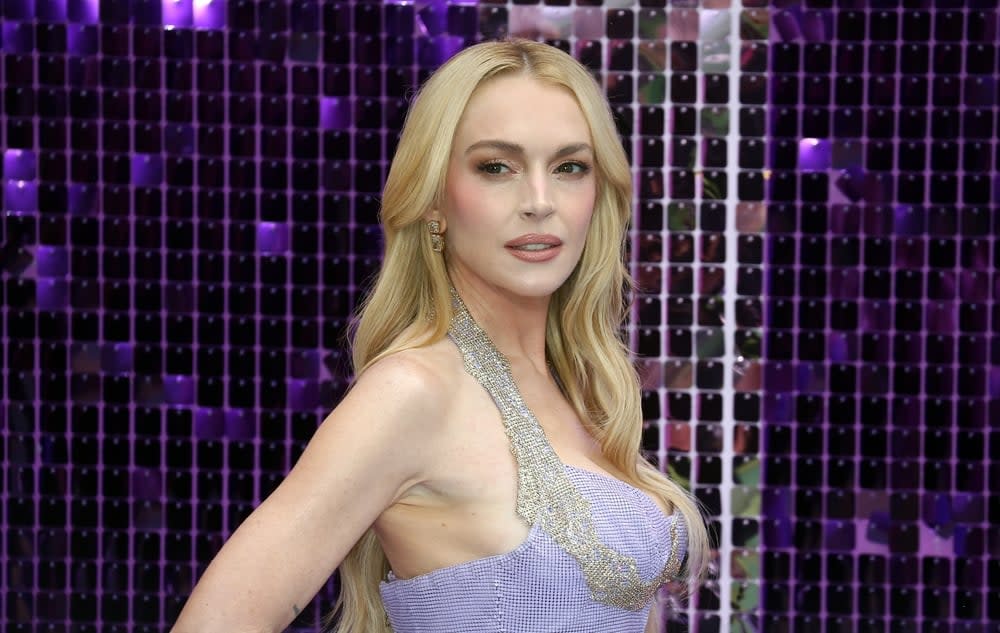
Shutterstock
Lindsay Lohan’s public unraveling in the mid-2000s felt inescapable, with arrests, rehab stints, and courtroom footage dominating headlines. Hollywood’s former child prodigy became shorthand for self-destruction, even as many ignored how young she was when fame hit. Studios quietly backed away, and her acting career stalled almost completely. The ridicule was relentless.
Her turnaround didn’t arrive overnight, and it didn’t look like the traditional awards-season comeback. Lohan stepped away, moved abroad, stabilized her personal life, and slowly re-entered work on her own terms. By the time she returned to acting, the public tone had softened considerably. Her story now reads less like a scandal and more like delayed adulthood under impossible pressure.
5. Kanye West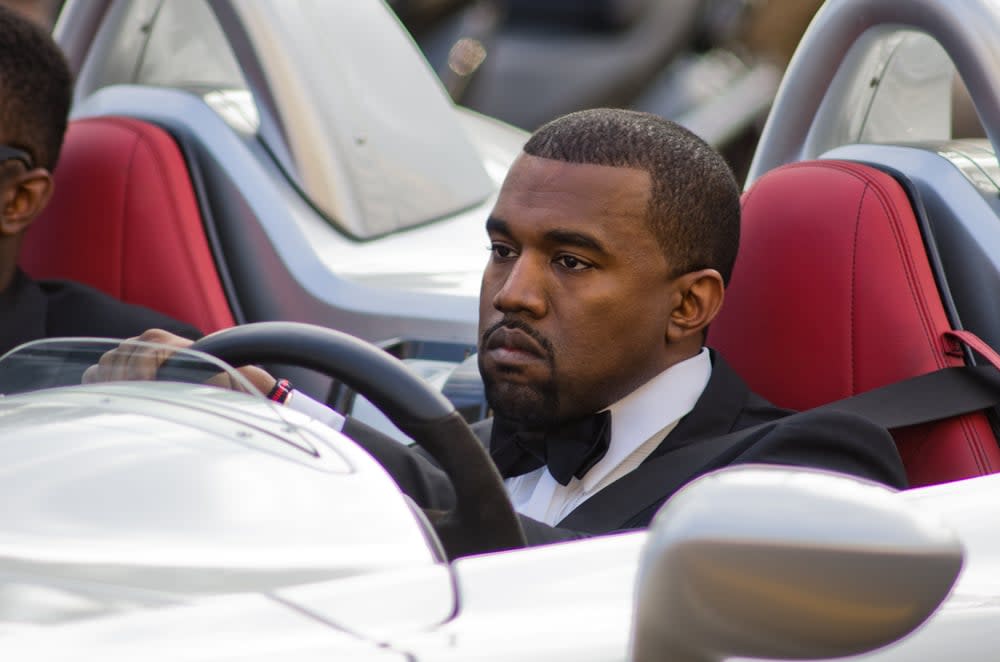
Shutterstock
Kanye West’s meltdowns have been explosive, polarizing, and deeply entwined with untreated mental illness. Public outbursts, political stunts, and erratic behavior culminated in professional and personal fallout. Psychiatrists writing in The Lancet Psychiatry have emphasized how bipolar disorder, when unmanaged, can amplify impulsivity and grandiosity under stress. Kanye’s fame magnified every symptom.
His turnaround has been incomplete and deeply contested. While moments of self-awareness and creative recalibration have surfaced, accountability remains inconsistent. Still, his story has forced uncomfortable conversations about separating art from illness. Kanye’s arc isn’t a neat redemption—but it’s a sobering reminder that untreated mental health issues don’t resolve on a schedule.
6. Robert Downey Jr.
Shutterstock
Robert Downey Jr.’s addiction-fueled spiral in the late 1990s nearly erased one of Hollywood’s most gifted actors. He cycled through arrests, jail time, and failed rehab stints while studios labeled him uninsurable. His career collapse wasn’t dramatic in a tabloid sense—it was slow, professional, and devastating. For years, he was considered finished.
His turnaround became one of the most respected recovery arcs in Hollywood. Through sobriety, accountability, and consistent work, he rebuilt trust brick by brick. His casting as Iron Man wasn’t just a career revival—it was a reputational resurrection. Today, Downey’s story is often cited as proof that sustained recovery, not sudden redemption, earns real second chances.
7. Tiger Woods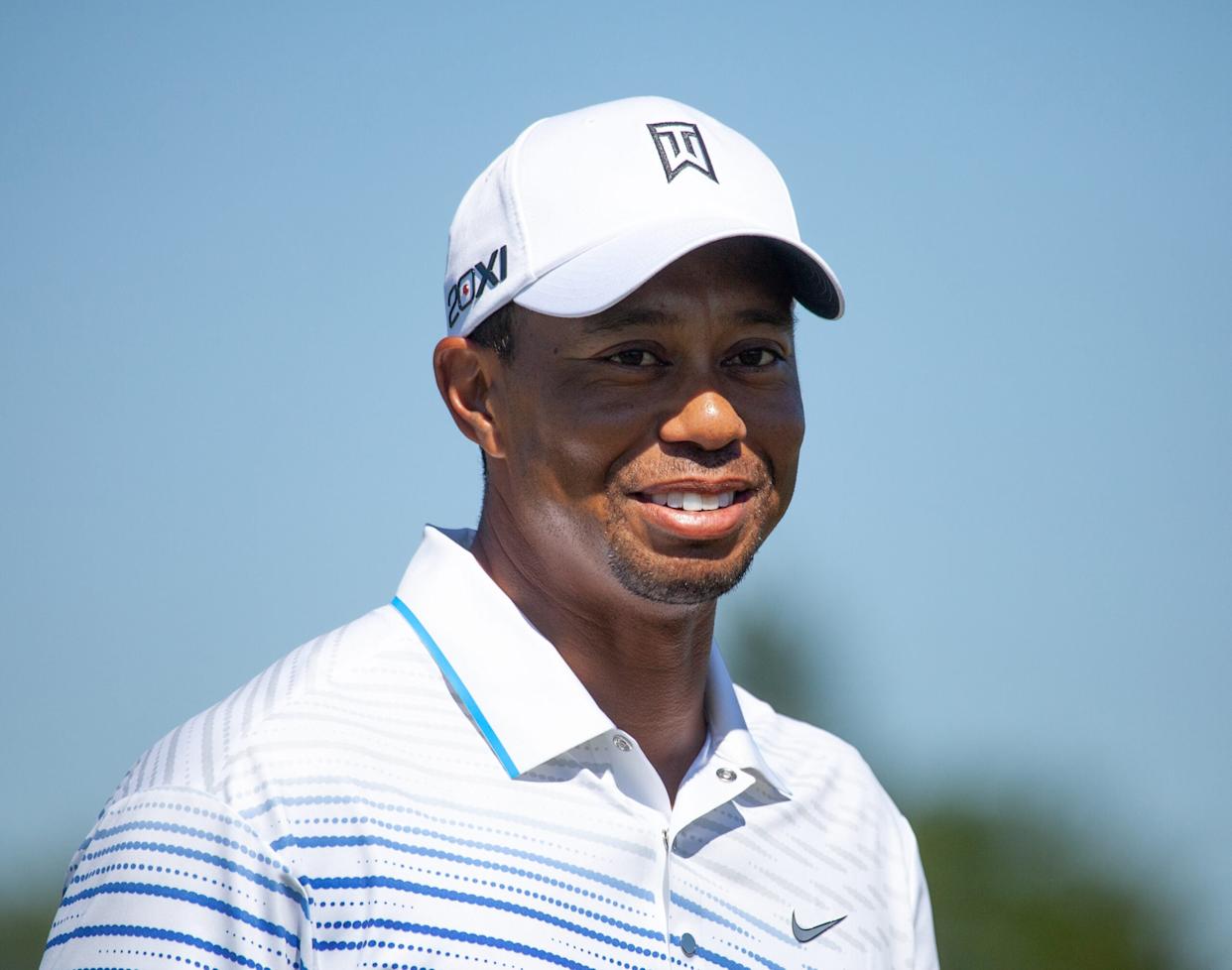
Shutterstock
Tiger Woods’ 2009 infidelity scandal detonated his carefully crafted public image overnight. Endorsements vanished, his marriage collapsed, and his performance plummeted. Sports psychologists cited in *The American Journal of Sports Medicine* later noted how personal crises can drastically impair elite athletic performance. Woods seemed psychologically and physically broken.
His turnaround was slow, painful, and largely internal. Through years of injury, therapy, and recalibration, Woods rebuilt his career without asking for public forgiveness. His 2019 Masters win became one of the most emotionally charged comebacks in sports history. Redemption, in his case, came through persistence rather than explanation.
8. Drew Barrymore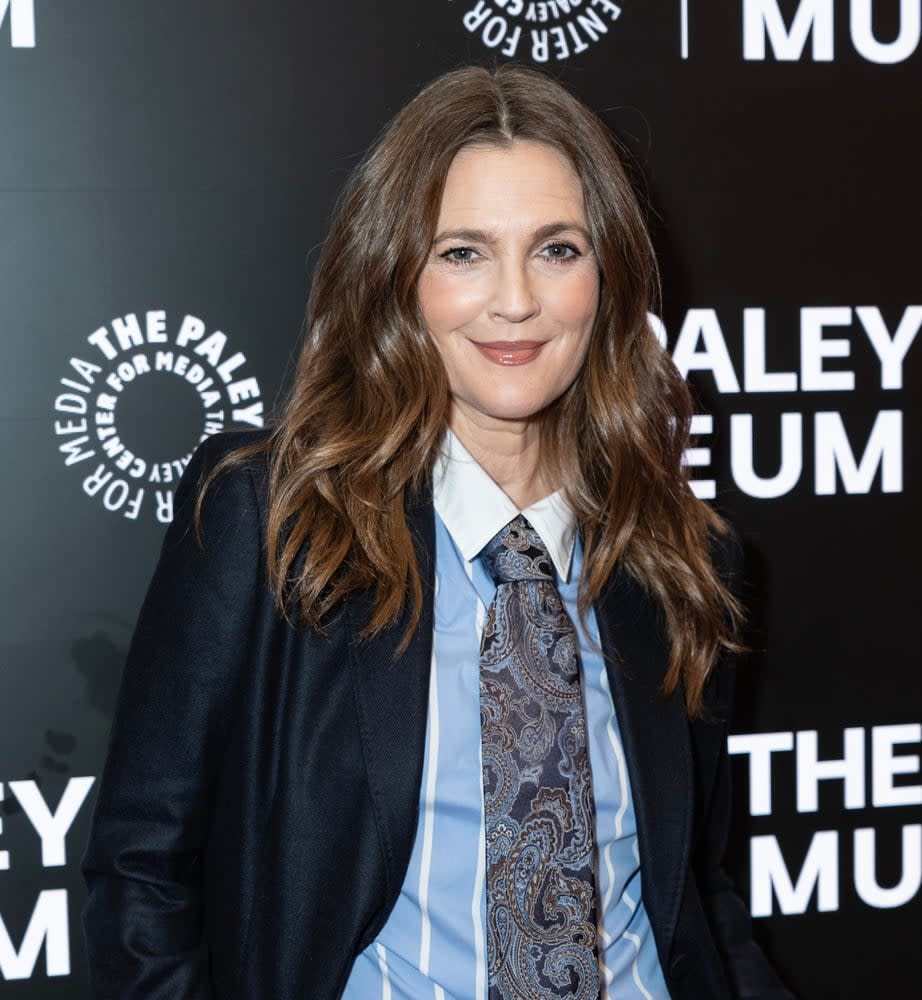
Shutterstock
Drew Barrymore’s childhood fame led to addiction and rehab before she was even a teenager. By age 14, she was already labeled “troubled,” a narrative that followed her into adulthood. Hollywood often forgets how early trauma reshapes behavior. Her meltdown was less about scandal and more about survival.
Her turnaround stands out because it happened early—and stuck. Barrymore built a stable career, founded her own production company, and reshaped her public image entirely. Today, she’s seen as emotionally grounded and self-aware. Her story proves that early intervention can change everything.
9. Amanda Bynes
Amanda Bynes’ mental health crisis in the early 2010s unfolded with frightening intensity. Arrests, bizarre social media posts, and psychiatric holds became daily news. The public largely treated it as entertainment. Empathy was scarce.
Her turnaround has been private and deliberate. Bynes stepped away from acting, pursued education, and focused on treatment. While she hasn’t returned to fame in the traditional sense, her stability is a success in itself. Sometimes healing means not reclaiming the spotlight.
10. Charlie Sheen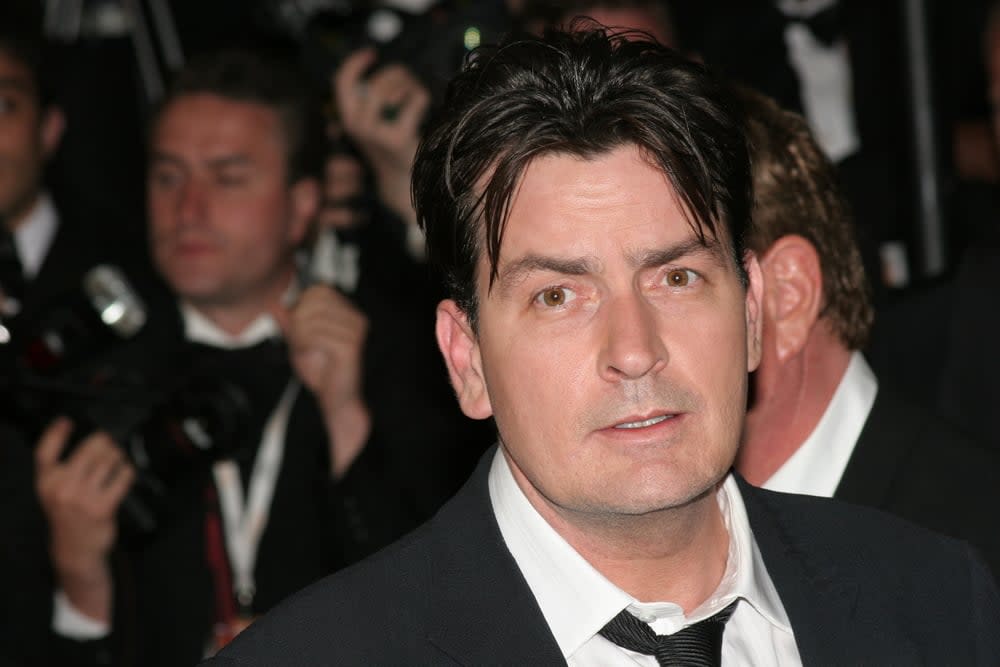
Shutterstock
Charlie Sheen’s highly publicized breakdown combined substance abuse, erratic interviews, and public feuds. His “winning” phase became meme culture, even as his career imploded. Networks severed ties quickly. The spectacle was relentless.
His turnaround has been muted and incomplete, but more grounded. Sheen has acknowledged addiction issues and stepped away from chaos-driven publicity. While his career never fully recovered, his public volatility subsided. Survival, not dominance, became the goal.
11. Ben Affleck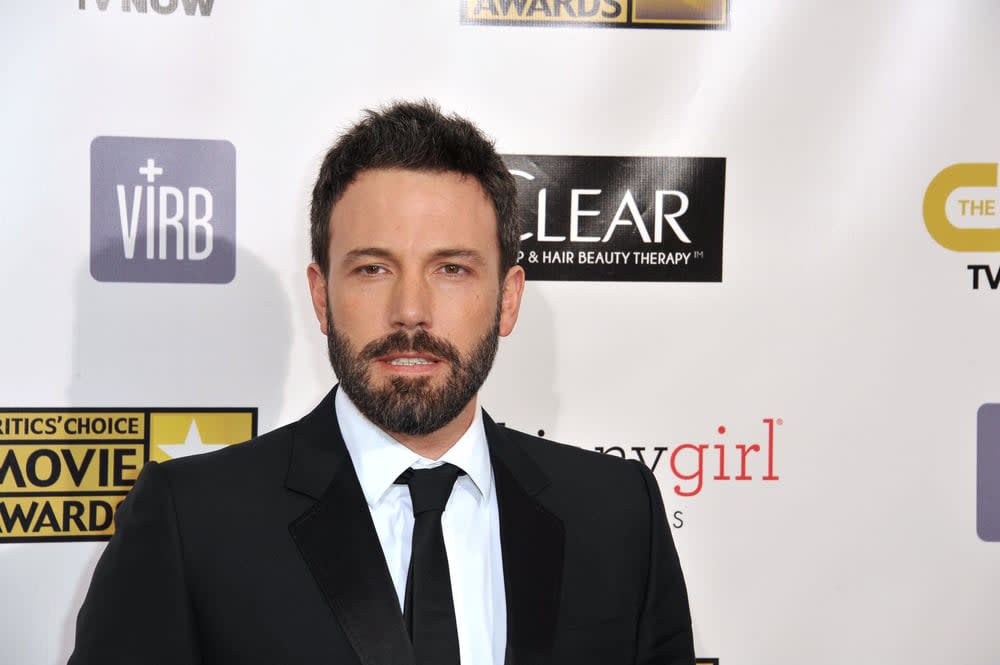
Shutterstock
Ben Affleck’s alcoholism played out through rehab admissions, divorces, and tabloid mockery. His struggles were often framed as personal weakness rather than illness. The pressure intensified during high-profile relationships. The public rarely allowed grace.
His turnaround involved repeated attempts at sobriety and increasing honesty. Affleck now speaks openly about relapse as part of recovery. His continued career success coexists with vulnerability. That honesty has reshaped how male addiction is discussed.
12. Demi Lovato
Shutterstock
Demi Lovato’s struggles with addiction, eating disorders, and mental illness unfolded publicly across multiple relapses and hospitalizations. In 2018, a near-fatal overdose forced a reckoning that she later described as both terrifying and clarifying. Medical experts quoted in The Journal of Addiction Medicine note that repeated public relapses often intensify shame and delay recovery. Demi faced that pressure while millions watched.
Her turnaround has been defined by radical honesty rather than perfection. Lovato openly discusses relapse, harm reduction, and the non-linear nature of healing. While some audiences resist this messier narrative, her transparency has reshaped how recovery is discussed in pop culture. Demi didn’t sell a clean comeback—she normalized survival.
13. Justin Bieber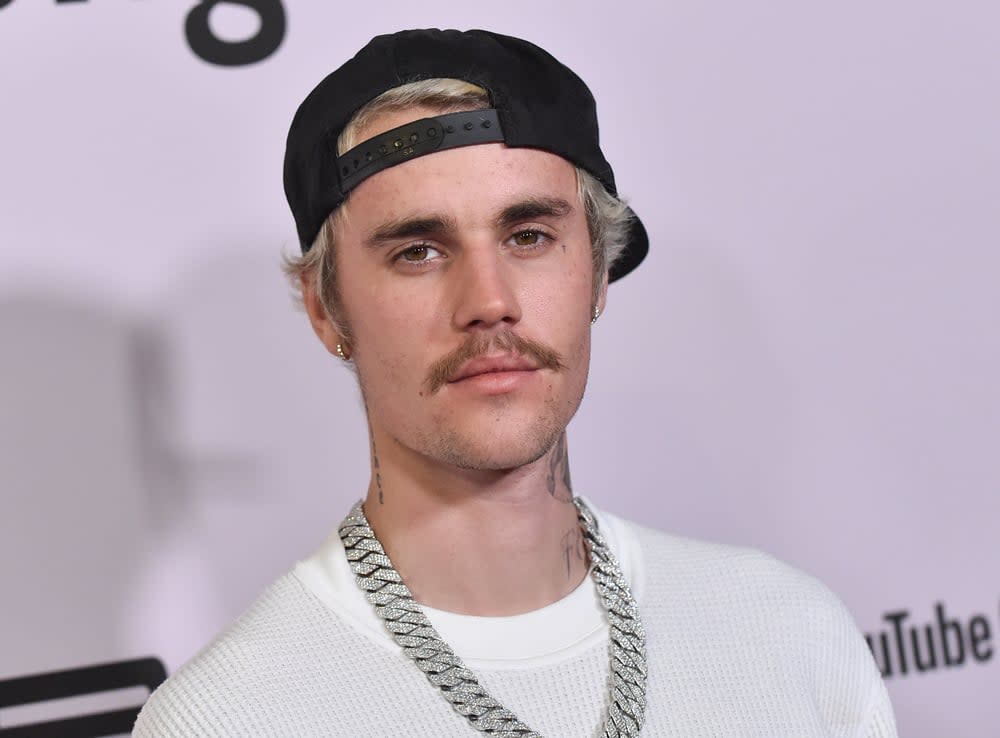
Shutterstock
Justin Bieber’s early fame collided with adolescence under constant surveillance. Legal issues, public anger, and erratic behavior followed. Many mistook burnout for entitlement. Few acknowledged the psychological toll.
His turnaround came through therapy, faith, and boundaries. Bieber now openly discusses mental health and fame’s impact on development. While not controversy-free, his self-awareness marks real change. His story highlights the cost of growing up famous—and the possibility of recalibration.