
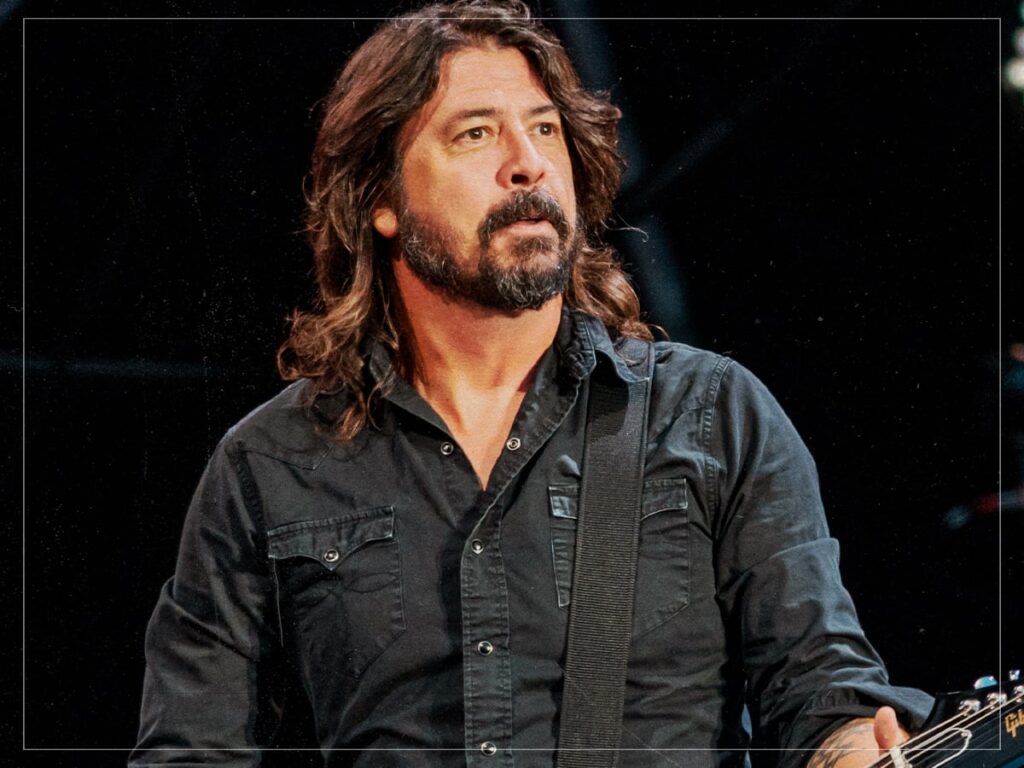
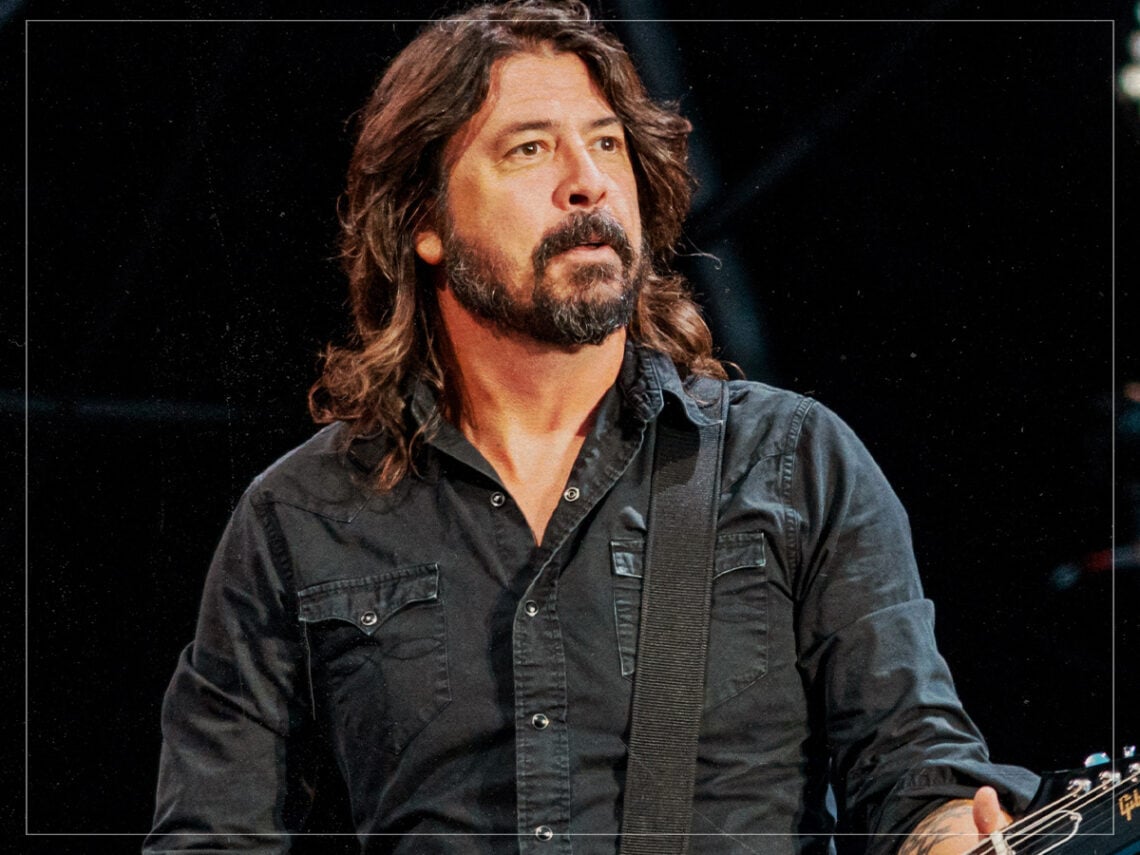
(Credits: Far Out / Raphael Pour-Hashemi)
Sat 27 December 2025 17:30, UK
With the Foo Fighters juggernaut into its third decade since their eponymous debut, it’s long since been the time when frontman Dave Grohl was the drummer from that big Seattle band.
Even when defying expectations in the late 1990s with his new venture, the mammoth success Foo Fighters would enjoy well into the 21st century could never quite tower over the percussion heft for Nirvana’s classic heyday.
Yet, time’s ticking on. Grohl’s day job has long made itself comfortable in the rock canon with 11 successful studio albums behind them, and new generations of rock fans bludgeon Foo Fighters with no expectations of his former heights.
While Foo Fighters’ global operations hurtle along with breakneck speed, Nirvana’s burnishing boot camp often beckons Grohl toward his old band when seeking renewal or creative guidance. Gearing up for the sessions of the upcoming seventh LP as the 2010s arrived, Grohl looked back to the pre-digital studio practices to fire up the band’s urgency.
“There’s poetry in being the band that can sell out Wembley but also makes a record in a garage,” he revealed to Billboard. “Why go into the most expensive studio with the biggest producer and use the best state-of-the-art equipment? Where’s the rock’n’roll in that?”
Corralling his band and a plethora of musical guests to his Encino residence in Los Angeles, Grohl cut the majority of 2011’s Wasting Light entirely in his garage. No Pro-Tools, scant retakes, and mixing handled by analogue gear, Foo Fighters captured their most raw offering yet. There was also an important air hanging in Grohl’s home-come-primitive studio. As well as roping in Nirvana bassist Krist Novoselic on ‘I Should Have Known’, Grohl also worked once again with the producer who helped propel Nirvana to the top of the Billboard 200, Butch Vig.
“To make it with Butch, 20 years later, is a really nice full-circle moment,” Grohl told People in 2012. “The two of us are bonded for life by Nevermind.”
It’s a record Grohl can never top. Only joining Nirvana a year before its release, nobody was expecting the alternative explosion the band’s sophomore album unleashed onto US charts and beyond, no less than their frontman Kurt Cobain, happy to make a living in the rock business but wasn’t looking to knock Michael Jackson from number one in 1992.
Many alchemic components catapulted Nirvana to the peaks of the musical mainstream. With the underground momentum behind them, each member’s formidable synergy needed Vig’s studio chops to beef up the punk attack toward pop accessibility. No one was complaining. While Jack Endino’s lo-fi murk was perfect for 1989’s Bleach debut, Vig was eager to inject a wider sonic expanse into Cobain’s songcraft, adding fuller guitar assault and a multi-dimensional polish destined for the rock world while having no problem dominating MTV.
While Grohl’s long transcended being defined by the Nirvana drummer credit, Vig’s work on Nevermind will always radiate with a fiercer essentiality that another decades-long run of Foo Fighters can ever hope to match, try as they might.
Related Topics