
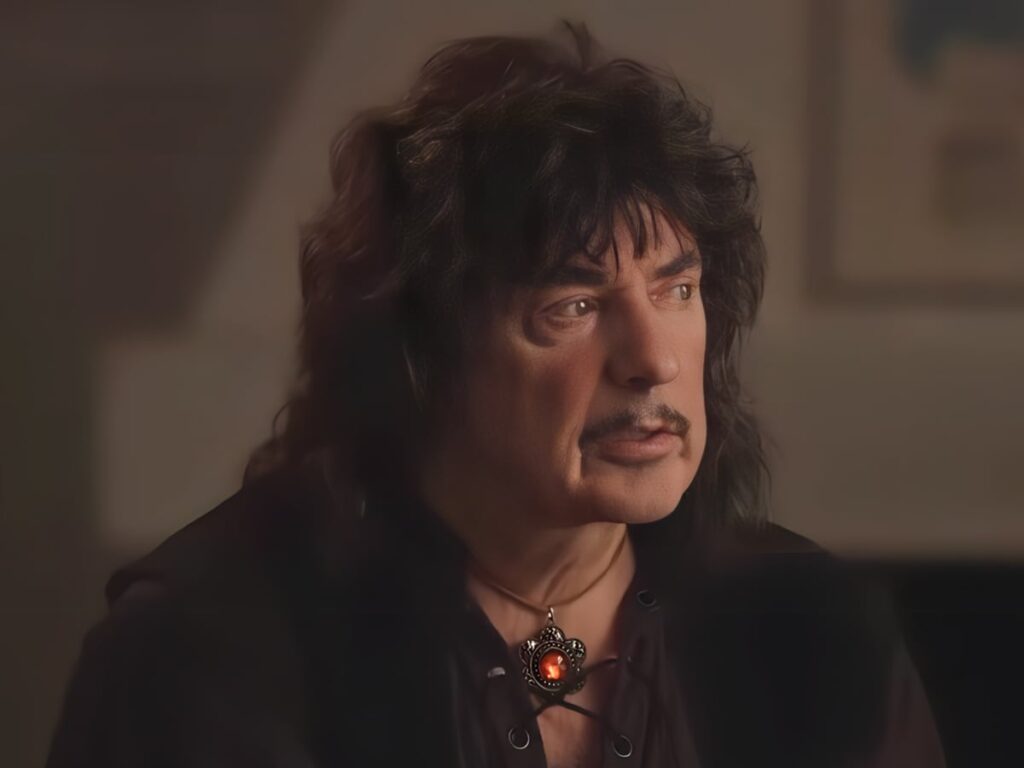
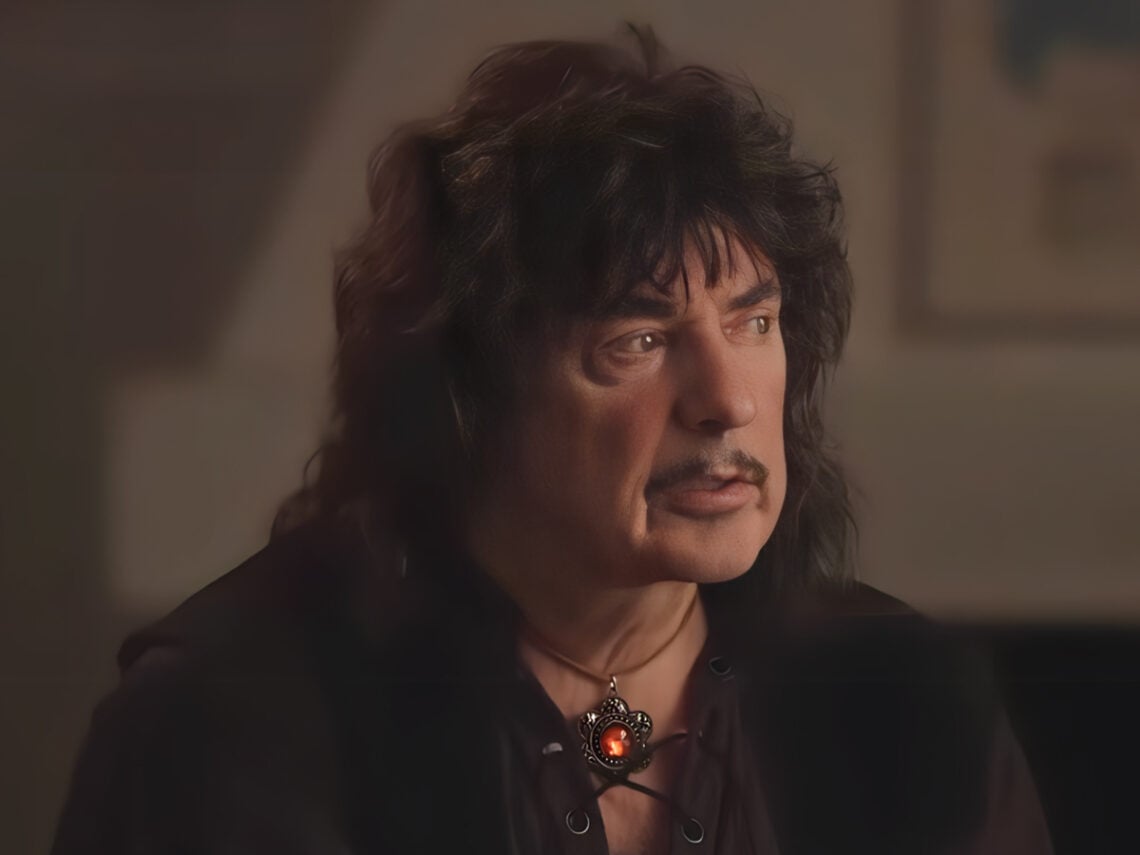
(Credits: Far Out / YouTube Still)
Sat 27 December 2025 16:00, UK
Even though he’s primarily recognised for his work as the guitarist with Deep Purple and as a classic rock icon, Ritchie Blackmore has had a far more varied career than one might think on the surface.
The virtuosic musician got his earliest career break through the world of classical music, a million miles away from the world that he ended up in, and while this would undoubtedly have been a valuable learning experience for him, there have been a number of occasions where he has looked back upon this period of his life as one of the most testing that he’s had to endure.
Of course, his stints with Deep Purple were also characterised by major bust-ups and inter-band friction, and even though he’s regarded as one of the most important figures in the band’s rise to fame, he’s also established himself as a controversial figure who adopted an ethos of his way or no way.
But what was it about his time in the classical world that he hated so much more than being in a band alongside people with whom he didn’t see eye to eye? During a 2018 interview with Guitar World, he spoke candidly about his origins and early taste of professional musicianship, claiming that while he had an adoration for Renaissance-era music, the world that surrounded it was somewhere he couldn’t bear to remain.
“The Renaissance music world can be a bit academic,” Blackmore argued. “That’s why I think people go into rock and roll. It gives them an escape from all the schooling – what’s ‘proper’ and how it should be.” Even though he would undoubtedly have benefited from the musical education that he received through playing this style of music, there came a time when the allure of the rock world was too strong for him to resist.
He would then also continue by stating that he faced significant backlash from his peers when he began to diversify his work, with all of the rock musicians he suddenly found himself surrounded by turning their nose up at the classical world; a point of view that Blackmore suddenly began to sympathise with.
“I remember Jimmy Page getting into trouble when he used to do a lot of sessions,” he added. “He said something like ‘classical musicians hate music’. I think that’s when he decided to leave session work and join The Yardbirds, because all the classical musicians on the sessions he played disliked what he’d said about them.”
However, while Page may have been critical of this world, Blackmore eventually realised that he was right about the attitude that classical musicians tended to have. “Whenever I’ve done anything with an orchestra, I always found myself dealing with a lot of chips on shoulders,” he suddenly realised. “You’re always too loud for them, no matter how quiet you play.”
He may well have found a good reason to abandon his roots, but this may have come as a result of him wanting to spread his wings and work in the rock world, which he felt there was a mutual dislike for emanating from the classical world. “I think there’s a resentment there,” he said regarding the dislike of rock coming from classical purists, but in reality, they’re two separate worlds that very rarely enjoyed any crossover at the time, bar the fact that Blackmore was involved in both.
Related Topics