
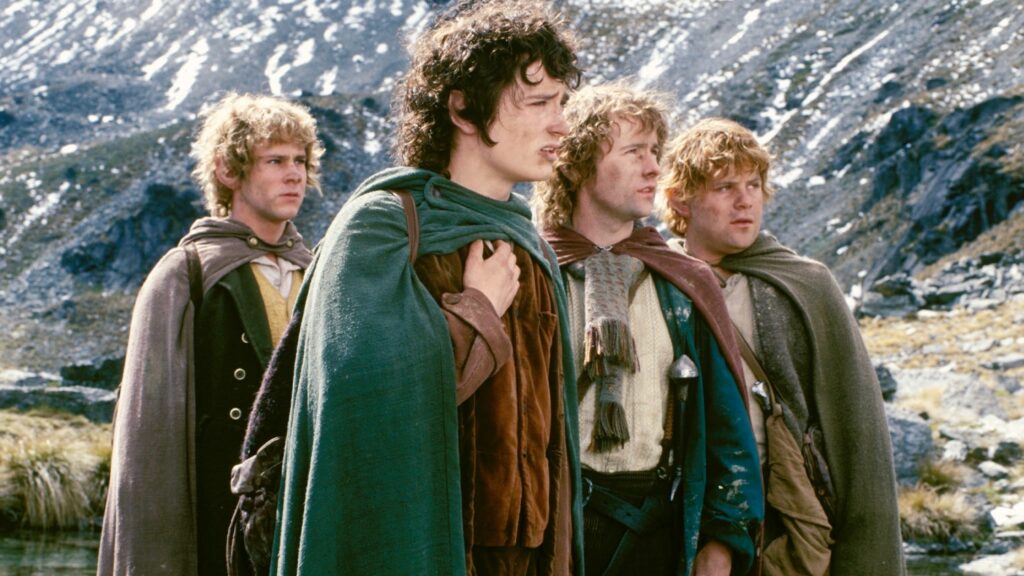
The Council of Elrond, the famous scene in which denizens of Middle-earth sit down to debate what to do with the One Ring, took JRR Tolkien 15,000 words to describe. Yet that extended back-and-forth is a mere spat compared to the real debate: which is the greatest of Peter Jackson’s Rings films? The Two Towers has the adrenalised grandeur of Helm’s Deep, while The Return Of The King has the best bit in cinema history to feature a flaming man jumping off a cliff.
For my mithril, though, there’s no beating Fellowship. As Jackson and his crew of renegades filmed in New Zealand, far from Hollywood’s all-piercing Eye, nobody really took them seriously. It was, in Boromir-speak, a folly. You’d have more chance of strolling through Barad-dûr without a Morgul blade piercing your gut than you would turning Tolkien’s antiquated prose, awash with phrases like “the hosts of Gil-galad and Elendil were mustered in Arnor”, into must-see cinema. Yet that scepticism was fuel for the production: you can feel the urgency, Jackson’s gonna-prove-them-wrong zeal, in every single shot.
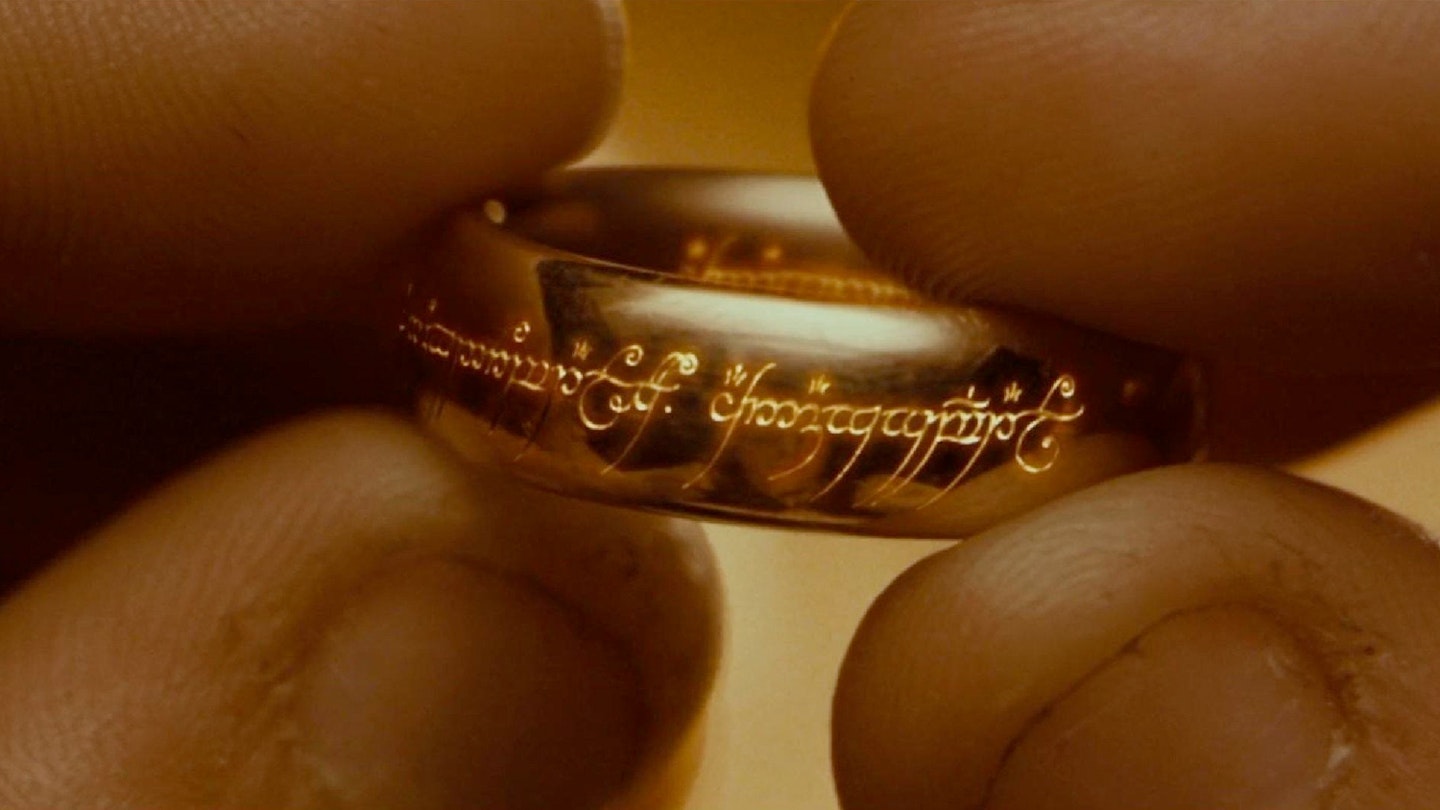
Take the opening expository scenes in Hobbiton, as Gandalf converses first with Bilbo, then with Frodo. On paper: essential but dry reams of information to set up everything ahead and establish the stakes. On screen: utterly thrilling stuff, veering between moments of genuinely scary horror (a Black Rider fake-out as Gandalf lunges out of the shadows) and genuinely funny comedy (“I ain’t been dropping no eaves”). The camera moves and angles are often distinctly un-blockbuster-like, the Peter Jackson of Braindead still there, swooping at his actors’ faces, getting in close, conjuring up menace and mystery. Before you’ve even left Bag End, you’re fully in the hands of a master.
Fellowship is the film that revels most in its fantasy trappings.
By the time the second film starts, Middle-earth is at war. But Fellowship gives us the thrill of a perfectly orchestrated escalation. We start with Frodo and Sam sauntering through a corn field. Then there are four of them, in a familiar but edgy-feeling town (the visual gag with the door to Bree having a hatch at Hobbit height, as well as one for humans, is both funny and a signifier that the halflings are slowly heading into deep water). By the time we’re at Rivendell and the Company is completed, you’ve already had an incredible 90-minute action movie, complete with horse chase, sword fight and multiple encounters with nightmare-fuel Nazgûl. And yet you still have the same amount of time ahead of you, with quite possibly the greatest of the saga’s set-pieces, the Mines of Moria, getting the giant build-up it deserves.
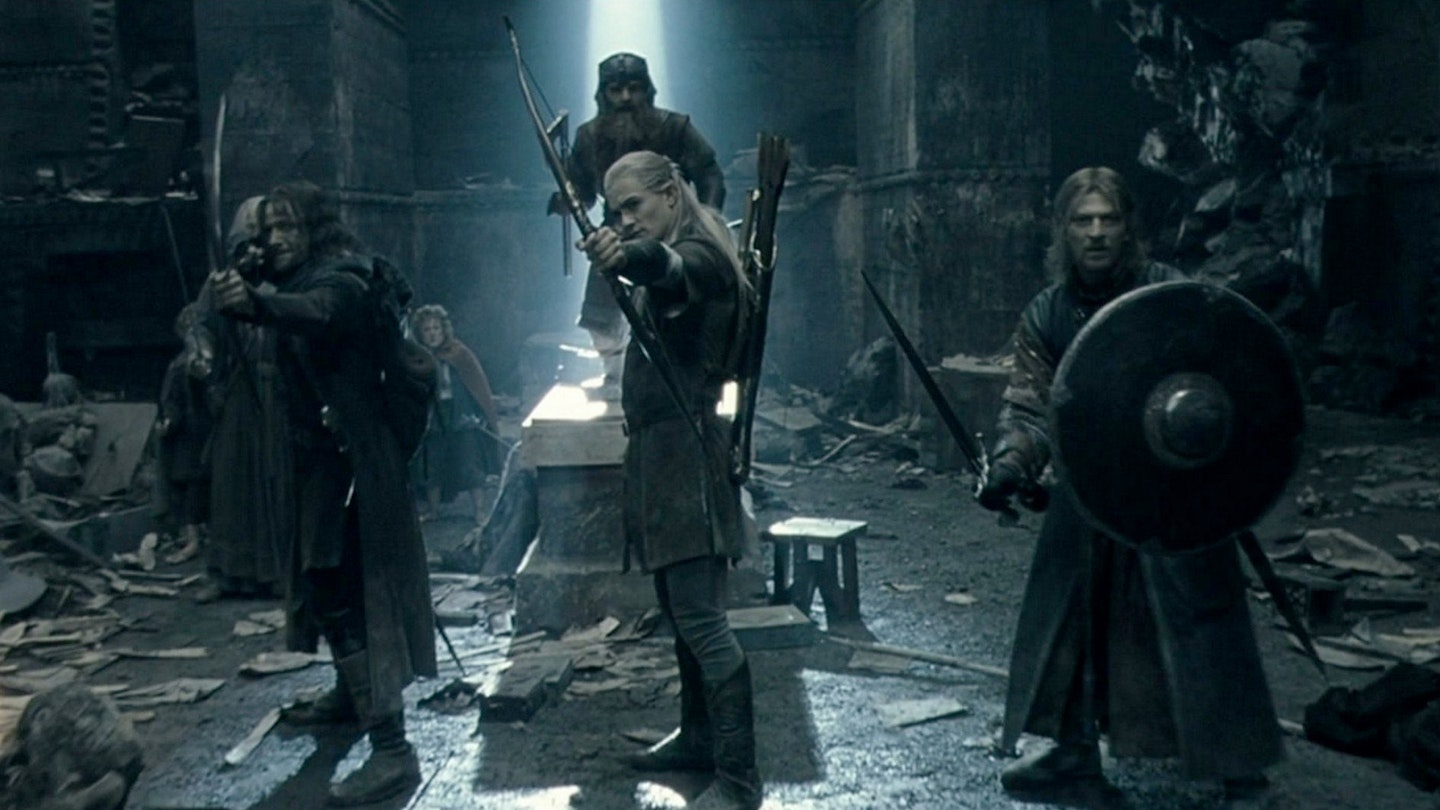
Return Of The King may have a wizard firing a beam of light at a flock of bat-dragons. Yet Fellowship is the film that revels most in its fantasy trappings. Flashbacks and Bree-folk aside, there are only two humans in the whole film — and one of them, Aragorn, is a sprightly-looking 87-year-old. The others are hairy-footed Hobbits, musty Dwarves, heavenly Elves and bushy-bearded wizards. In the other corner: Orcs, goblins, ruined ghost-kings astride hell-steeds, and a whip-wielding demon the size of a skyscraper (for comprehensive discussions of how big exactly a Balrog should be, head to Reddit).
It would have been easy for Jackson to have lost his way amid such feverish world-building (see: Eragon, In The Name Of The King, Warcraft, and basically any other film trying to ape Lord Of The Rings after 2003). But miraculously, Jackson never falls off the metaphorical Bridge of Khazad-dûm, keeping us gripped and unscoffing even during the bit when Gandalf explains that not all birds are to be trusted.
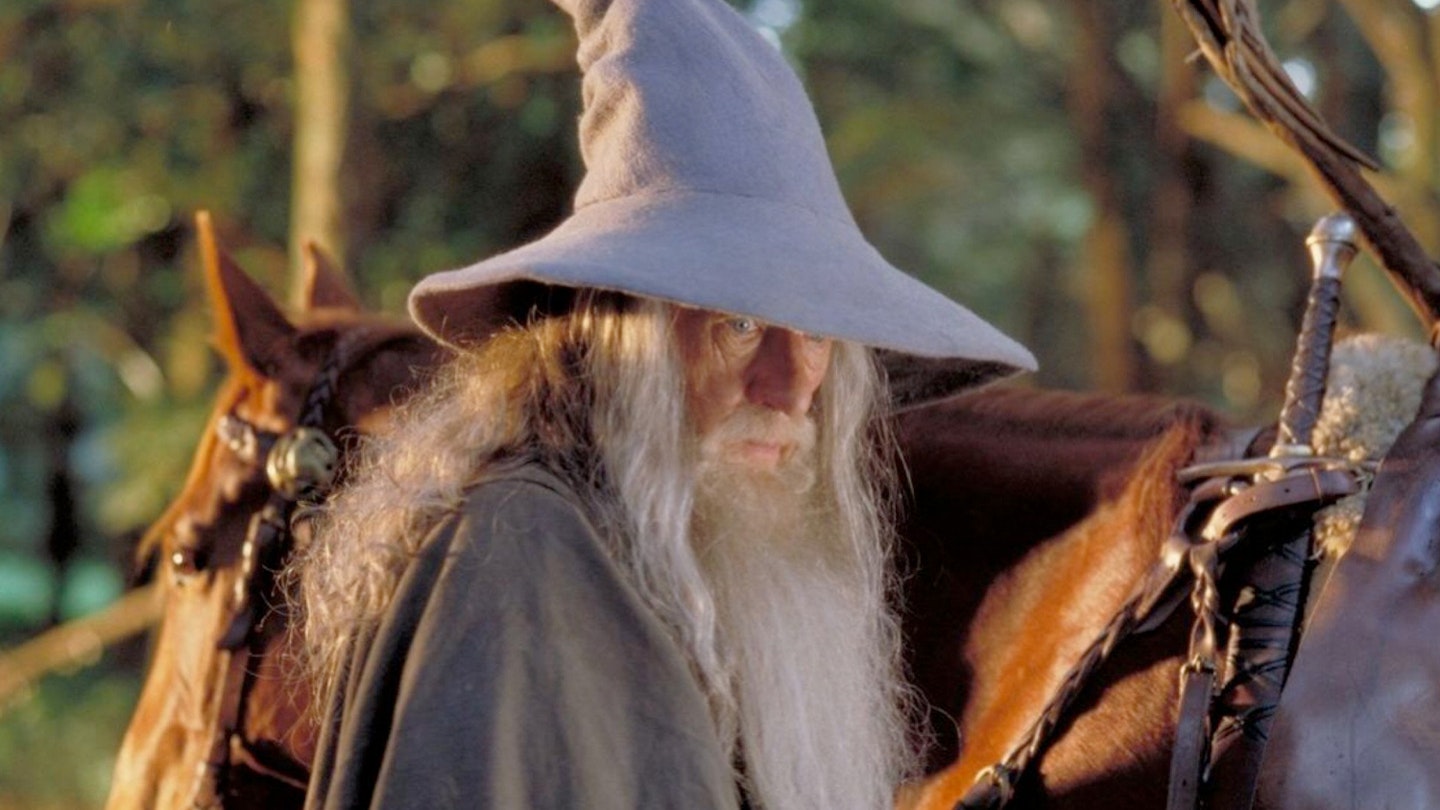
Between Wētā’s practical and digital effects, Howard Shore’s music and the extraordinary screenplay, there’s no false note in Fellowship; it’s one beguiling moment after another. How does Gandalf somehow appear in Bag End ahead of Bilbo during the birthday party, surprising the Hobbit as he takes off the Ring? It doesn’t matter: Jackson knows there’s magic in what you don’t explain.
Separately, these characters are iconic. Together, they’re magic.
Hundreds of thousands of words couldn’t cover all the joys of this movie: how it dials the scale way back down again, ending not with a huge battle but an intimate sequence by the banks of a lake; how the whole thing feels autumnal, a palpable sense of sadness as we depart each enchanted biome; how each creature feels totally unique (there’s a praying-mantis-faced goblin glimpsed in the caverns of Moria that has haunted me since 2001).
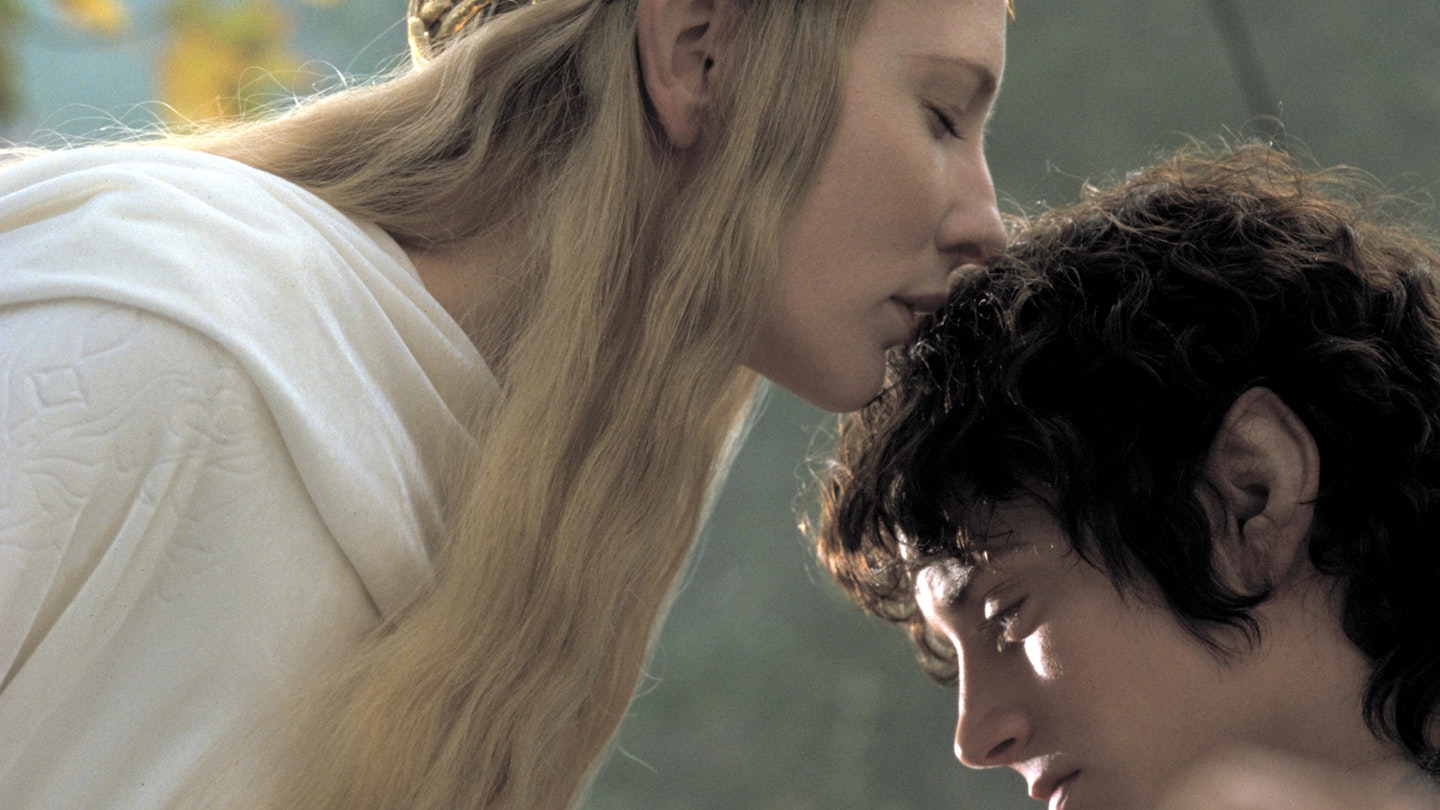
But let’s end with a nod to the cast. Ian McKellen, whose Gandalf can make you cry just by closing his eyes, was rightly nominated for an Oscar, yet lost to Jim Broadbent as John Bayley in Iris (a character who to our knowledge has inspired zero cosplay). Elijah Wood and Sean Astin are an immediately delightful pairing as Frodo and Sam. Viggo Mortensen is a miraculous Aragorn, softly crooning in Elvish one minute, flinging a blazing log into a wraith’s maw the next. Billy Boyd and Dominic Monaghan undercut all the solemnity with their shenanigans; Orlando Bloom and John Rhys-Davies bring badassery in spades (and axes). Sean Bean’s Boromir, meanwhile, has the film’s most wrenching arc, from sneering tough guy to horn-blasting martyr whose death scene is one of the most moving in any film, no matter the genre.
Separately, these characters are iconic. Together, they’re magic. This is the only Lord Of The Rings film to have all nine of the Fellowship striding forward, united in their quest despite their very different looks and vibes, and every minute of that all-too-scarce screentime is precious. In a fairer, less Mordor-like world, Fellowship Of The Ring would have scooped up as many Oscars as Return Of The King, for its genre-redefining imagination, its sweet sincerity, its fearlessness and its charm. It also, frankly, should have inspired the introduction of a new Academy Award category: Best Fireworks. Like Gandalf’s Green-Dragon-shaking dragon-rocket, this film is a banger beyond compare.
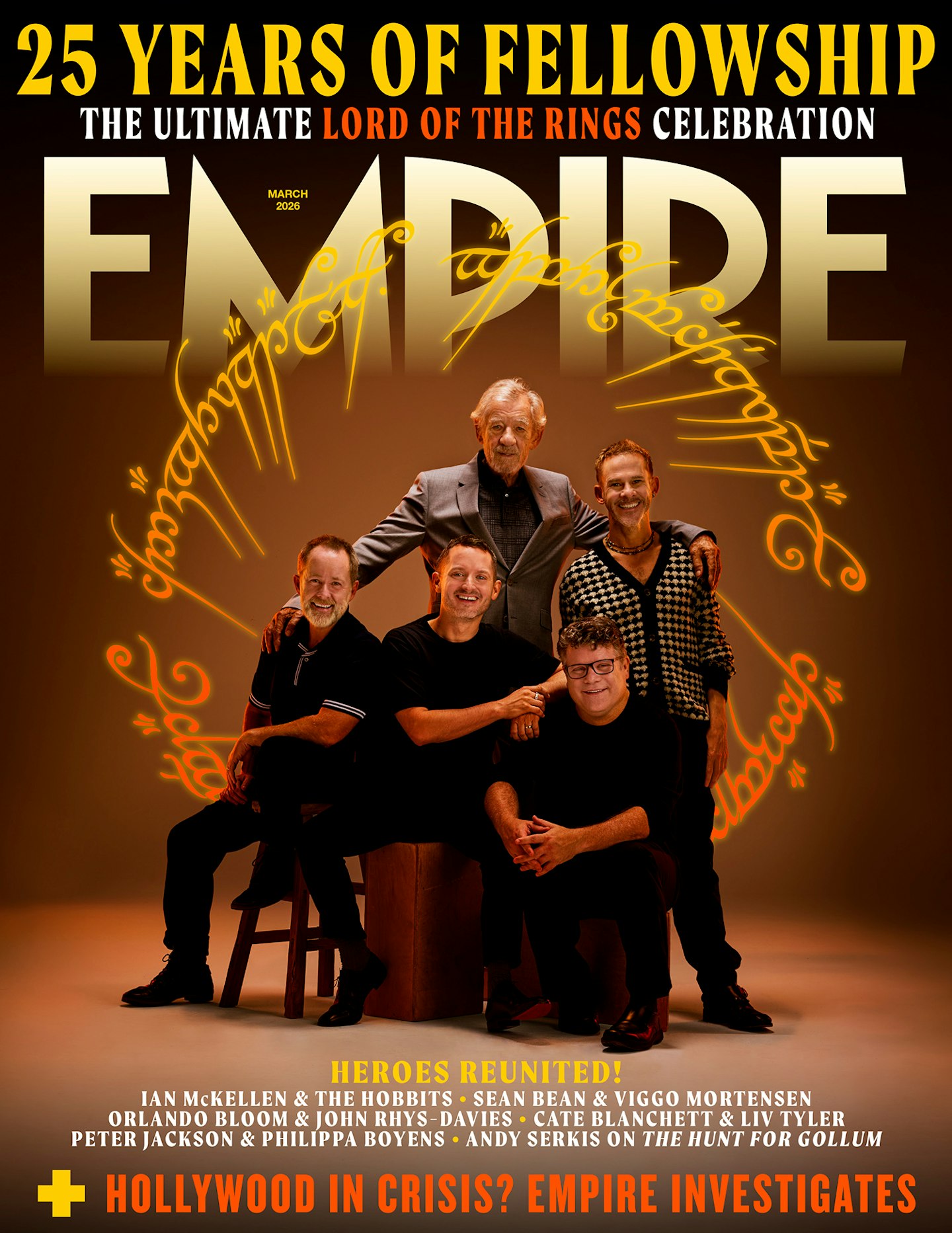
Empire’s Lord Of The Rings reunion issue, celebrating 25 years of the ultimate fantasy trilogy, is on newsstands now.