
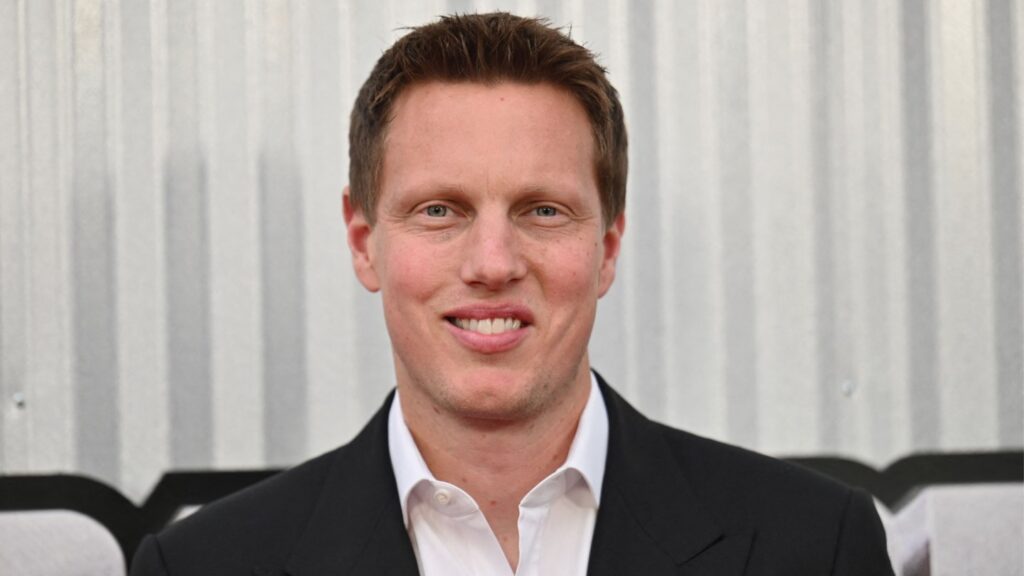
David Ellison, chairman and CEO of Paramount, a Skydance Corporation, took the war of words and his message across the pond on Thursday, publishing an open letter to the creative community and audiences in the U.K. with a set of commitments, should the company succeed in acquiring Warner Bros. Discovery (WBD), which has struck a mega-deal to sell its studios and streaming businesses to Netflix. Among the list are commitments to the theatrical and home video, the preservation of HBO, and “increased creative output.”
Paramount has been pushing its hostile bid for WBD in communications with shareholders and industry groups, arguing that Netflix’s increased market power after a deal for parts of WBD faces regulatory concerns and should also worry sector players.
Addressed to “the British creative community, fellow film lovers and television fans, the industry at large, and all who care deeply about the future of cinema and the arts,” the letter highlighted: “As a producer and lifelong fan of movies and television, I am writing this open letter to speak clearly and unequivocally about the vital role visual storytelling plays in our society. Films and television transcend age, ethnicity, politics, and socio-economic status, connecting us through shared experience. They entertain and inspire us, transport us to new worlds, preserve our history, and expand our sense of what is possible.”
Added Ellison: “This art form is essential – and it must be protected and preserved for generations to come. At Paramount, these beliefs are what drive us and our pursuit of Warner Bros. Discovery. We see an extraordinary opportunity to bring together our two celebrated companies, enabling us to tell more stories, reach broader audiences, and amplify impact. Just as important, we believe the creative community and audiences are best served by greater choice – not less – and by a marketplace that encourages the full spectrum of filmmaking, content creation, and theatrical exhibition, not one that eliminates meaningful competition by creating a monopolistic or dominant entity.”
He argued that a merged Paramount-WBD would be “in stark contrast to Netflix’s path – this proposed combination is intended to strengthen competition by creating a more capable and effective rival to the dominant platforms.”
Here is a closer look at the commitments Ellison made in the open letter:
“Increased Creative Output.”
“Paramount Studios and Warner Bros. Studios will each produce a minimum of 15 high-quality feature films per year, for a total of at least 30 films annually across the group – delivering great entertainment to audiences while supporting sustained job creation across the film and creative industries,” Ellison wrote. “We have already increased Paramount’s output from eight to 15 films since closing the Paramount-Skydance transaction this past August.”
Third-party content and licensing.
“Both studios will continue to support a vibrant third-party ecosystem by licensing their films and shows across their own and third-party platforms, while remaining active buyers of content from third-party studios and independent producers,” the letter noted.
Preserving HBO.
“HBO will continue to operate independently under our ownership, enabling it to create more of the world-class content it is renowned for,” Ellison wrote.
Theatrical commitment.
“Every film will receive a full theatrical release, with a minimum 45-day window globally before becoming available on paid video-on-demand (VOD), with the intention of 60-90 days or more to maximize the audience for our most successful releases,” reads Ellison’s open letter. “We will continue to adhere to the specific windowing commitments we have across the geographies we operate in.”
Home video commitment.
“Following its theatrical run, each film will transition to the current industry standard home video window, preserving paid video-on-demand prior to availability on subscription streaming services,” Ellison wrote.