
Key Points
Billie Eilish sparked controversy with her 2026 Grammy speech criticizing U.S. immigration policies and ICE, calling for activism and protest.
Conservative figures like Senator Ted Cruz and Kevin O’Leary condemned Eilish’s remarks, urging celebrities to avoid political statements.
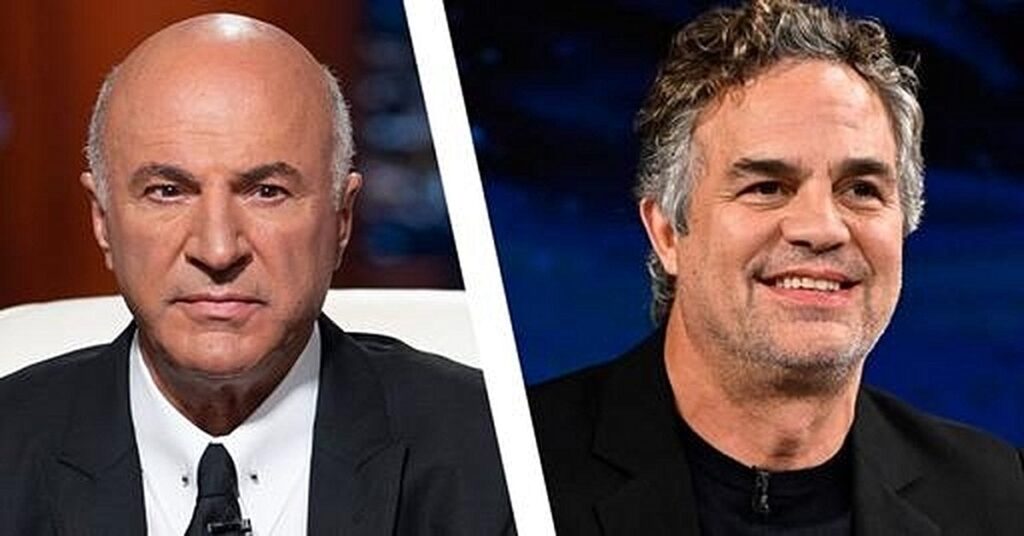
Mark Ruffalo publicly defended Eilish against O’Leary’s criticism, leading to widespread support from fans and fellow entertainers.
Billie Eilish’s Grammy acceptance speech on February 2, 2026, was always going to make headlines. But few could have predicted the firestorm it would ignite across the entertainment and political worlds. As she stood on stage with her brother and collaborator, Finneas O’Connell, accepting the Song of the Year award for “Wildflower” from her 2024 album Hit Me Hard and Soft, Eilish used her moment in the spotlight to deliver a pointed message: “No one is illegal on stolen land.” She didn’t stop there, adding, “It’s just really hard to know what to say and what to do right now. I feel really hopeful in this room, and I feel like we just need to keep fighting and speaking up and protesting, and our voices really do matter, and the people matter, and fuck ICE.”
Her words, raw and direct, echoed through the Crypto.com Arena and quickly reverberated far beyond. According to The Independent, Eilish’s comments were a direct rebuke of ongoing U.S. Immigration and Customs Enforcement (ICE) operations, especially in light of the Trump administration’s continued hardline policies. This wasn’t the first time Eilish had spoken out—she had previously called on other celebrities to address the deaths of Minneapolis civilians Renee Good and Alex Pretti at the hands of DHS agents, posting on Instagram, “Hey my fellow celebrities u gonna speak up?”
But this time, the backlash was swift and intense. Conservative commentators, politicians, and media outlets seized on Eilish’s remarks. Texas Senator Ted Cruz was among those who criticized her, and calls even emerged for Eilish to hand over her $14 million Los Angeles mansion—built on land originally inhabited by the Tongva tribe—to Native Americans. As Billboard and The California Post reported, her speech became a lightning rod for debates about celebrity activism and the responsibilities of artists in the public eye.
Enter Kevin O’Leary, the Canadian businessman and “Shark Tank” star who’s never been shy about sharing his opinions. Appearing on Fox News’ “America Reports” in the days following the Grammys, O’Leary delivered his own blunt advice to Eilish and other artists: “It’s the first lesson 101 for celebrity: As you rise up, whether you’re a film star or music star or whatever, shut your mouth, and just entertain.” He went further, warning, “Half the people in politics that you piss off won’t buy your music anymore. I mean don’t be stupid about it, but hey, they don’t listen.” O’Leary’s comments, as reported by Fox News and The Daily Beast, reflected a familiar refrain: celebrities should stick to their craft and avoid wading into politics.
O’Leary’s criticism didn’t go unanswered. Mark Ruffalo, the Oscar-nominated actor known for his roles in the Marvel Cinematic Universe and his outspoken political views, fired back on Threads on February 5, 2026. In a post that quickly went viral, Ruffalo wrote, “Kevin O’Leary why don’t you STFU. It’s hilarious. You will go on any show and talk shit about any number of things and smugly expect us to listen to you, but you will dig into a real artist that dwarfs anything you dream of doing for actually saying something that resonates with 100’s of millions of people the world over.” He didn’t stop there, adding, “It’s astounding the fantasy double standard Kevin O’Leary lives in. You played yourself well in Marty Supreme.” Ruffalo’s jab referenced O’Leary’s recent turn as a villainous business owner in the Oscar-nominated film Marty Supreme, a role for which O’Leary himself admitted, “They were looking for a real a–hole… someone the audience would dislike immediately, and that was me,” according to Toronto Life.
Ruffalo’s defense of Eilish sparked an outpouring of support online. Fans praised him as a “real hero,” with one X user saying, “I have so much respect for this man in every aspect, [he’s] always on the right side of history.” Comedian Kathy Griffin chimed in, “Mark, keep it up. We are so grateful for your resistance. Stay loud.” The actor’s willingness to go toe-to-toe with O’Leary—and by extension, the conservative backlash—was widely celebrated across social media platforms.
Eilish wasn’t alone in receiving support. Her older brother Finneas, who accepted the Grammy alongside her, also spoke out against the criticism. In an Instagram Story, he noted, “Seeing a lot of very powerful old white men outraged about what my 24-year-old sister said during her acceptance speech. We can literally see your names in the Epstein files.” This sharp rejoinder highlighted the generational and cultural divides at play in the debate.
Of course, the Grammys weren’t the only place where artists made political statements that night. According to The Daily Beast, musicians from Justin Bieber to Joni Mitchell donned “ICE OUT” pins on the red carpet, while Puerto Rican superstar Bad Bunny, who won Best Música Urbana Album, declared, “Before I say thanks to God, I’m going to say, ICE out.” The atmosphere was charged, with artists across genres using their platforms to protest the administration’s immigration policies.
But it was Eilish’s speech that captured the most attention—and the most ire. As Billboard reported, her net worth and property holdings became fodder for critics, some of whom argued she should relinquish her Los Angeles home to Native Americans if she truly believed her own words. The debate quickly spilled into broader questions about authenticity, privilege, and the role of celebrity in social justice movements.
O’Leary’s argument—that political statements could alienate fans and hurt sales—echoes a long-standing tension in American culture. Should artists use their influence to speak out on issues they care about, or is their primary job to entertain? As O’Leary put it, “It’s the first lesson 101 for celebrity… shut your mouth and just entertain.” Yet, as Ruffalo and Eilish’s supporters argue, art has always been intertwined with politics, and silencing artists risks muting voices that resonate with millions.
This isn’t the first time such a debate has played out on the national stage, nor will it be the last. What’s clear is that Eilish’s words struck a chord—both positive and negative—across the spectrum. As the dust settles, the conversation about celebrity, activism, and the boundaries between art and politics continues to evolve, shaped by voices as diverse as Billie Eilish, Kevin O’Leary, and Mark Ruffalo.
For now, the spotlight remains on those willing to speak up, no matter the backlash—and on the millions who are listening, for better or worse.