
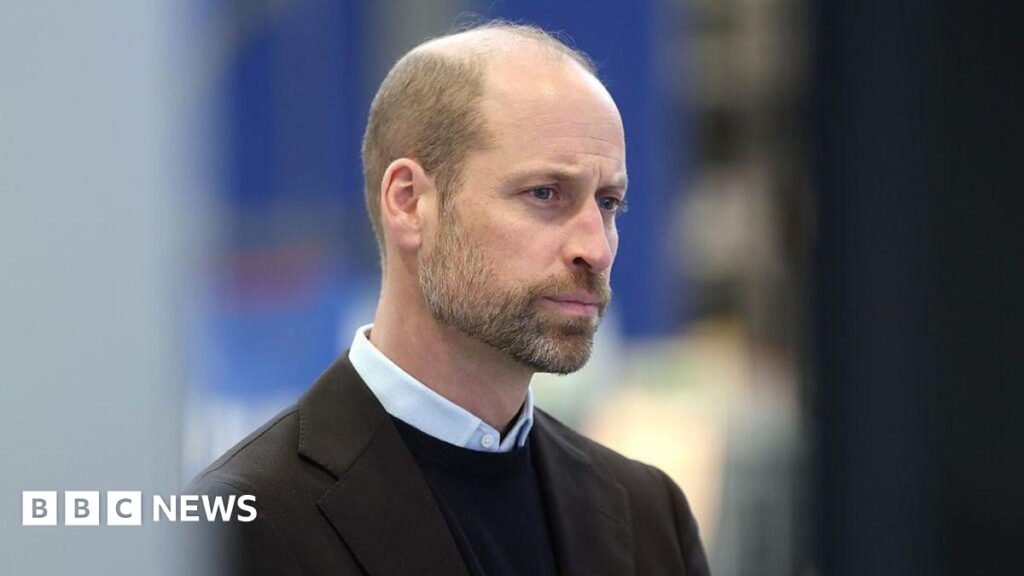
Prince William, who has talked about his own vision of a modern monarchy, is going to a country in transition.
“Saudi Arabia has been opening up massively over the past decade,” said Dr Neil Quilliam from the Middle East and North Africa programme at Chatham House, the international think tank.
“This younger generation of policy makers are much more transactional than their forefathers, there is greater competition for Saudi investment in the UK,” he explained.
“The Saudis really like and appreciate being recognised and deploying Prince William sends a signal that says we really value you.”
But the images we’ll see this week of William with MBS will be hard to stomach for many.
A 2021 US intelligence report found that the Saudi crown prince approved the murder of exiled Saudi journalist Jamal Khashoggi in 2018.
The report, released by the Biden administration, said MBS approved a plan to either “capture or kill” Khashoggi.
Saudi Arabia rejected the report, calling it “negative, false and unacceptable” and MBS has denied any role in the murder.
Amid the moves to modernisation, what hasn’t changed is the Saudi authorities’ attitude to its critics – both within the kingdom and abroad.
In January, a judge in a UK court ruled that Saudi Arabia should pay Ghanem al-Masarir damages of more than £3m.
The London based YouTuber and satirist had used his online voice to attack the Saudi regime. He told the court that he’d been followed, assaulted and had his phone bugged by agents acting for the kingdom, and that as a result he suffered psychological damage.
The judges agreed with him.
Despite his experience, Masarir is not against Prince William’s visit, but urges the UK’s future king not to hold back.