
On February 2, 2026, the Grammy Awards stage became a flashpoint for a heated debate about celebrity activism, free speech, and the boundaries between entertainment and political discourse. At the heart of the controversy: Billie Eilish, the 24-year-old pop superstar, who used her acceptance speech for Song of the Year to deliver a pointed message about immigration and Indigenous rights. Her words, “No one is illegal on stolen land,” and her blunt condemnation of Immigration and Customs Enforcement (ICE), ignited a firestorm that quickly spread beyond the music industry and into the broader public consciousness.
Standing alongside her brother and musical collaborator, Finneas O’Connell, Eilish accepted the Grammy for her song “Wildflower” from her 2024 album Hit Me Hard and Soft. Her speech was both emotional and unapologetically political. “As grateful as I feel, I honestly don’t feel like I need to say anything but that no one is illegal on stolen land. It’s just really hard to know what to say and what to do right now,” she said, her voice resonating with both hope and urgency. “I feel really hopeful in this room, and I feel like we just need to keep fighting and speaking up and protesting, and our voices really do matter, and the people matter, and fuck ICE,” Eilish declared, according to The Independent and Billboard.
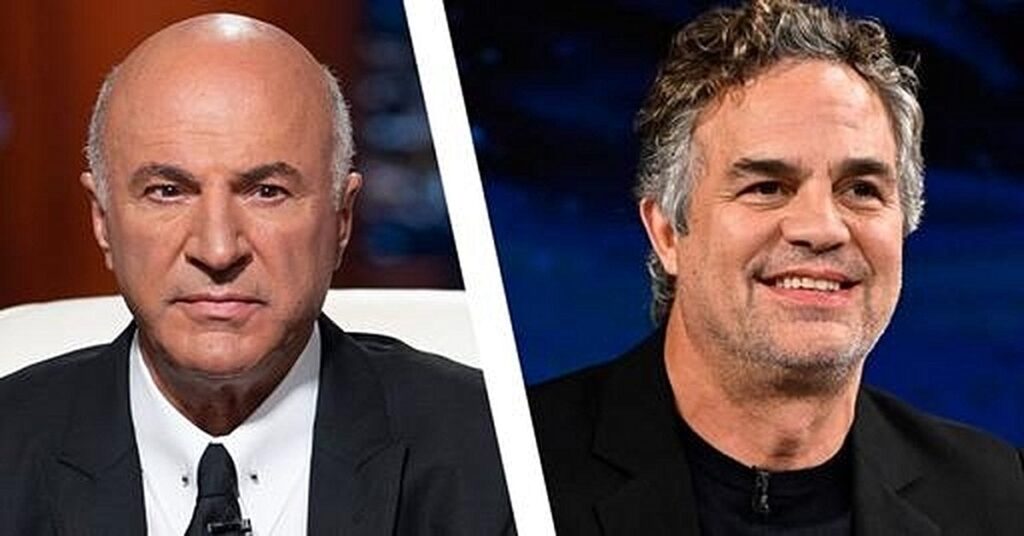
The reaction was immediate and intense. Conservative commentators, politicians, and social media users criticized Eilish for using the Grammys as a platform for political messaging. Some even called for her to hand over her $14 million Los Angeles mansion—located on land originally inhabited by the Tongva tribe—to Native Americans, as reported by The California Post. The backlash wasn’t confined to the internet’s fringes; it was amplified by prominent voices in business and media, most notably Kevin O’Leary, the Canadian entrepreneur and star of Shark Tank.
O’Leary, a vocal Trump supporter who recently gained renewed attention for his role as a villainous business owner in the Oscar-nominated film Marty Supreme, appeared on Fox News on February 5, 2026, to weigh in. His advice to Eilish and other outspoken celebrities was unequivocal: “It’s the first lesson 101 for celebrity: as you rise up, whether you’re a film star or music star or whatever, shut your mouth and just entertain,” he said, echoing a sentiment that has long divided audiences and artists alike. O’Leary warned that political statements could alienate fans and damage careers, stating, “Half the people in politics that you piss off won’t buy your music anymore. I mean, don’t be stupid about it, but hey, they don’t listen,” as quoted by REUTERS and Fox News.
But the story didn’t end there. Within hours, O’Leary’s remarks drew a fierce response from another corner of the entertainment world. Mark Ruffalo, the actor best known for his role as the Hulk in Marvel’s Avengers franchise and for his outspoken progressive views, took to Threads on February 6, 2026, to defend Eilish and lambast O’Leary. “Kevin O’Leary why don’t you STFU. It’s hilarious. You will go on any show and talk shit about any number of things and smugly expect us to listen to you, but you will dig into a real artist that dwarfs anything you dream of doing for actually saying something that resonates with 100’s of millions of people the world over,” Ruffalo wrote, as reported by The Daily Beast and Inc..
Ruffalo didn’t stop there. He accused O’Leary of living in a “fantasy double standard,” and, in a pointed jab at O’Leary’s recent acting debut, added, “You played yourself well in Marty Supreme.” The online exchange quickly went viral, with Ruffalo’s comments earning widespread praise from fans and fellow celebrities alike. Comedian Kathy Griffin chimed in, urging Ruffalo to “keep it up” and expressing gratitude for his resistance, according to The Independent. Social media users hailed Ruffalo as a “real hero,” with one X user declaring, “I have so much respect for this man in every aspect, [he’s] always on the right side of history.”
Eilish’s brother, Finneas O’Connell, also weighed in, highlighting the generational and political divide at play. “Seeing a lot of very powerful old white men outraged about what my 24-year-old sister said during her acceptance speech,” he posted on Instagram. “We can literally see your names in the Epstein files.” His comments underscored the broader frustration among younger artists and activists who feel targeted by conservative backlash—and who see their advocacy as both necessary and urgent.
The Grammys themselves were a hotbed of political expression this year. Eilish was far from alone in voicing her opposition to the Trump administration’s immigration policies. Pop stars like Justin Bieber and folk legend Joni Mitchell donned “ICE OUT” pins on the red carpet, while Puerto Rican superstar Bad Bunny, winner of Best Música Urbana Album, declared “ICE out” before thanking God during his acceptance speech, as detailed by The Daily Beast. The collective outcry reflected a growing willingness among artists to use high-profile platforms to challenge government actions and promote causes they believe in.
Yet, as O’Leary’s comments made clear, not everyone is comfortable with the blurring of entertainment and activism. His argument—that artists risk alienating half their audience and undermining their careers by wading into political waters—echoes a longstanding debate in American culture. Supporters of this view often argue that celebrities, by virtue of their fame and influence, have a responsibility to remain neutral or apolitical, lest they exploit their platforms for personal agendas or further polarize the public.
On the other hand, defenders of celebrity activism point out that artists have historically played vital roles in social and political movements, from Bob Dylan and Nina Simone during the civil rights era to contemporary figures like Eilish. For many, the expectation that entertainers should “just entertain” is both unrealistic and dismissive of the power of art to inspire change. As Ruffalo put it, Eilish’s message “resonates with hundreds of millions of people the world over,” a testament to the reach and impact of her words.
The controversy over Eilish’s Grammy speech and the subsequent war of words between O’Leary and Ruffalo have sparked a broader conversation about the role of celebrities in public life. Should artists use their platforms to speak out on issues of social justice, or should they heed O’Leary’s advice and avoid controversy? The answer, it seems, depends on whom you ask—and on which side of the cultural divide you find yourself.
As the dust settles, it’s clear that this episode was about more than just a single speech or a spat between celebrities. It was a microcosm of the larger battles being waged over free speech, political engagement, and the responsibilities of those in the spotlight. For now, Billie Eilish and her defenders show no signs of backing down, and the debate about the intersection of art and activism is unlikely to fade from the stage anytime soon.