
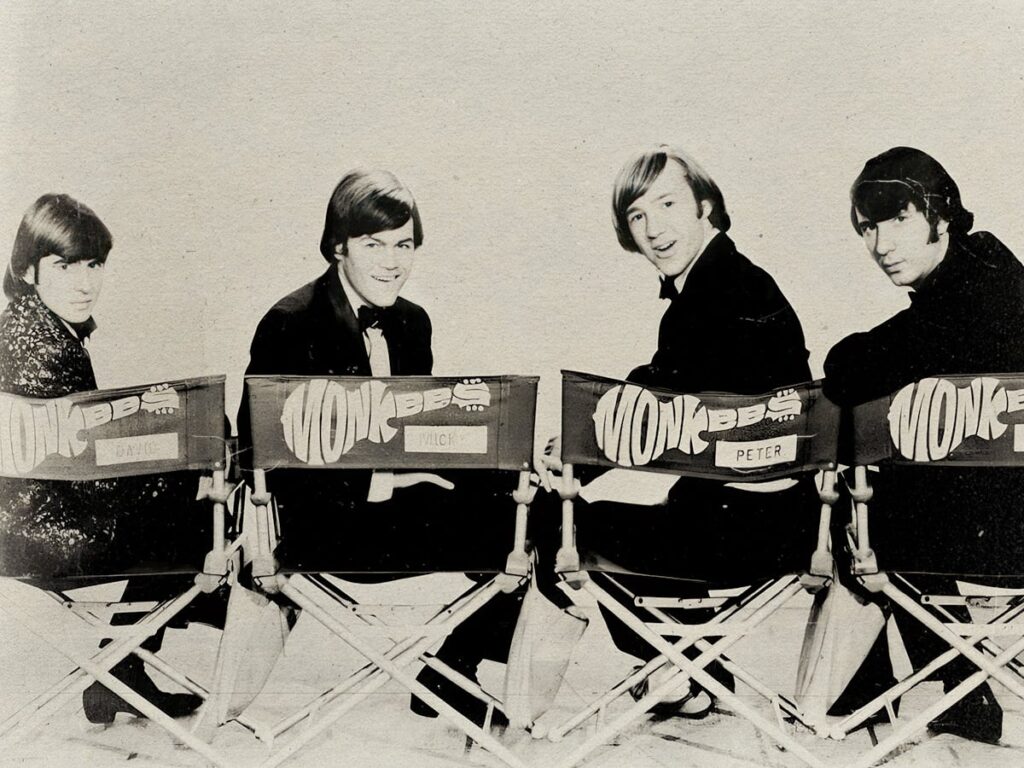
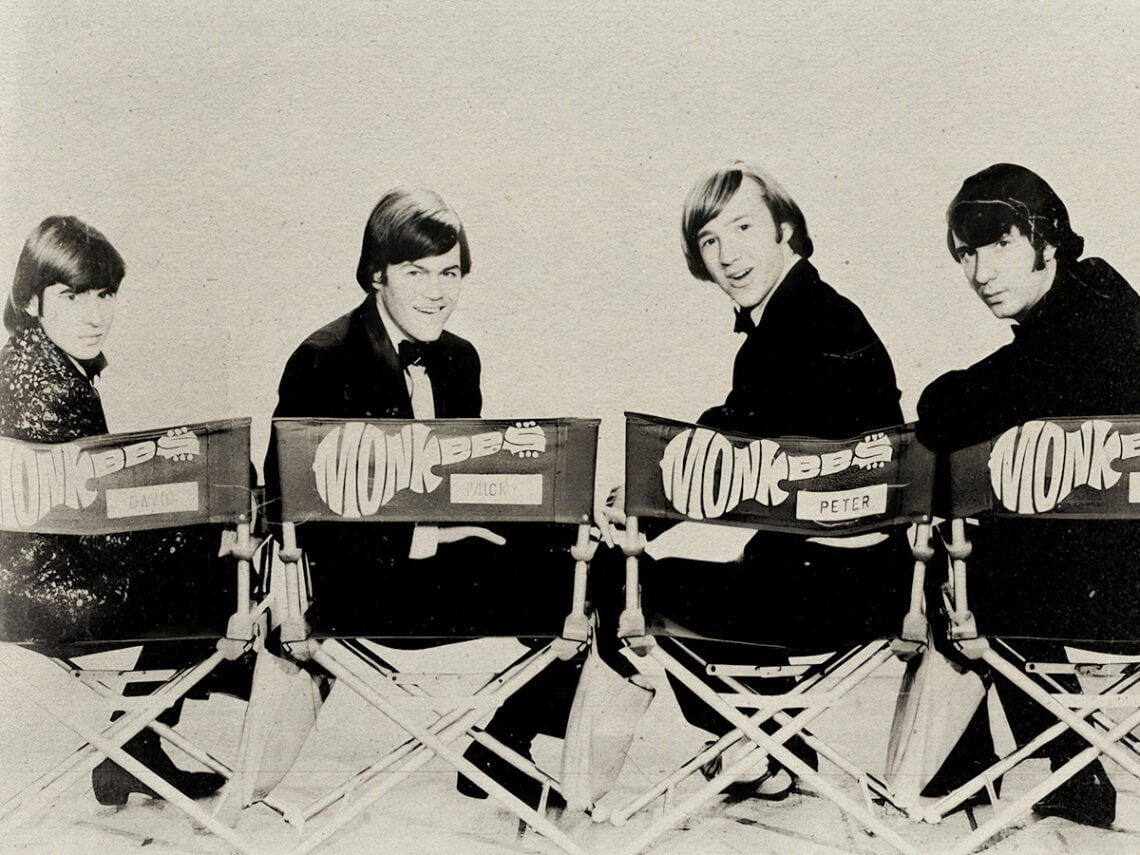
(Credits: Far Out / Entertainment International)
Sat 7 February 2026 22:00, UK
Nearly 60 years on from the air date of its first-ever episode, and The Monkees remains one of the most bizarre chapters in rock and roll history; simultaneously typifying the colourful pop culture landscape of the 1960s and deliberately swaying away from everything that made that decade so important. It is no surprise that, by 1970, Davy Jones had had enough.
Jones was always going to be a shoo-in for the fictional band, from the moment that Bob Rafelson and Bert Schneider first conjured up the idea. Beginning his career on the cobbles, his first acting role was in Coronation Street, but he eventually elevated himself to a starring role in the West End production of Oliver!, which eventually led him to sign a deal with Columbia Pictures.
What’s more, he had appeared on the same episode of The Ed Sullivan Show as The Beatles; so his credentials made him a natural fit for The Monkees, where he became something of an unspoken leader. Over the course of the band’s strange ride to televisual – and pop chart – success, it was the Englishmen who tended to lend lead vocals to their most popular tracks, and he quickly became the group’s prime candidate to fulfil the role of heartthrob.
Nevertheless, riding around in a rocket car and releasing chart-topping hits wasn’t all that it was cracked up to be, it would appear. Jones did, after all, have a recording career prior to joining the ranks of the television show, and The Monkees weren’t exactly seen as having much credibility within the musical realm. Sure, they had hits, but then so did The Archies – any true rock and roll obsessive back in the 1960s tended to turn their noses up at Jones and the gang.
What’s more, the group were still subjected to all the pressures and internal tensions present in virtually every rock band. Having your life unshakably linked to three other blokes – particularly if those blokes were thrown together by TV executives – is bound to inspire some arguments and ego rivalries, on top of all the pressures that television actors tend to be placed under anyway.
It didn’t take too long for The Monkees’ story to start derailing, then. Peter Tork was the first to abandon ship, resigning with exhaustion in 1968, followed by Michael Nesmith two years later, bowing out after the group had finished recording for a Kool-Aid advertisement. With only Jones and Micky Dolenz remaining, the fictional band were hanging on by a thread, until Jones too decided that they were no way forward.
“I didn’t know what I wanted,” the actor later wrote in his 1987 memoir, They Made a Monkee Out of Me. Seemingly, though, his reason for throwing in the towel was the same as Tork’s had been two years prior. “Part of the time I was trying to get everyone united, and the rest of the time I just wanted to go home and sleep for a few years,” he explained.
Most bands, particularly if they boast the same degree of popularity as The Monkees, tend to succumb to exhaustion eventually, after years of living on the road or in the studio. For Jones and the rest of the group, they had the added fatigue of being in an exhaustive television production too.
It wouldn’t be until the mid-1980s that the original line-up were reunited, and even then it was only a fleeting reunion. Even if they didn’t last for very long, though, The Monkees were nevertheless an essential aspect of American pop culture back in the 1960s, and both the band and their television producers have Davy Jones to thank for a lot of that quality.
Related Topics