
Though his 1993 debut Grace enraptured critics on its release, Jeff Buckley didn’t score his first hit single until a decade after his death. His cover of Leonard Cohen’s “Hallelujah” began its curious afterlife scoring The West Wing’s momentous 2002 season finale, becoming a standard sung by buskers and TV talent-show hopefuls alike, before eventually being released as a single in 2017. “Hallelujah” saw Buckley embraced by a new, more mainstream audience who imagined him simply as some swoonsome moody crooner who’d died too young. But, as Amy Berg’s new documentary It’s Never Over, Jeff Buckley explores, he was much more than just another handsome rock’n’roll tragedy.
“Jeff was a glorious weirdo,” says Berg, whose movie dives beneath the heartthrob surface to deliver a powerfully intimate portrait of the late troubadour. “I didn’t want Jeff to feel as if he walked on water. I wanted him to feel real and human and flawed, and some of the people in his life revered him in such a way that it was hard to see that. But I was able to peel those layers back and find this quirky guy that loved to make jokes, and make people laugh, and find his way through a crowd with humour and performances.”
In early 1992, shortly after relocating to New York from his native California, Buckley began a regular Monday night residency at an East Village café named Sin-é. “I’m a ridiculous person,” he’d confess to the patrons, during solo performances that detoured through Buckley originals and covers of songs by artists as diverse as Nina Simone, Led Zeppelin and qawwali master Nusrat Fateh Ali Khan. And perhaps Buckley was ridiculous, but through these performances he attracted squadrons of thirsty A&R execs. The one who signed him, Columbia’s Steve Berkowitz, saw Buckley in the lineage of the label’s roster of legends: “Dylan… Springsteen… Buckley.”
But Buckley wasn’t interested in being anyone but himself. At Sin-é, he referenced rock’s canon only to reinvent it, stretching Van Morrison’s “The Way That Young Lovers Do” into 10 unhinged minutes of locomotive rhythm, jazz vocalese and combustible horniness. He was just as likely to lend his quicksilver vocal to Billie Holliday’s lynching requiem “Strange Fruit”, summon the gospel anguish of Ray Charles’s “Drown in My Own Tears”, or locate the spectral magic within the theme from Eighties arthouse movie Bagdad Café. He was bold, fearless and joyful in everything he did.
open image in gallery
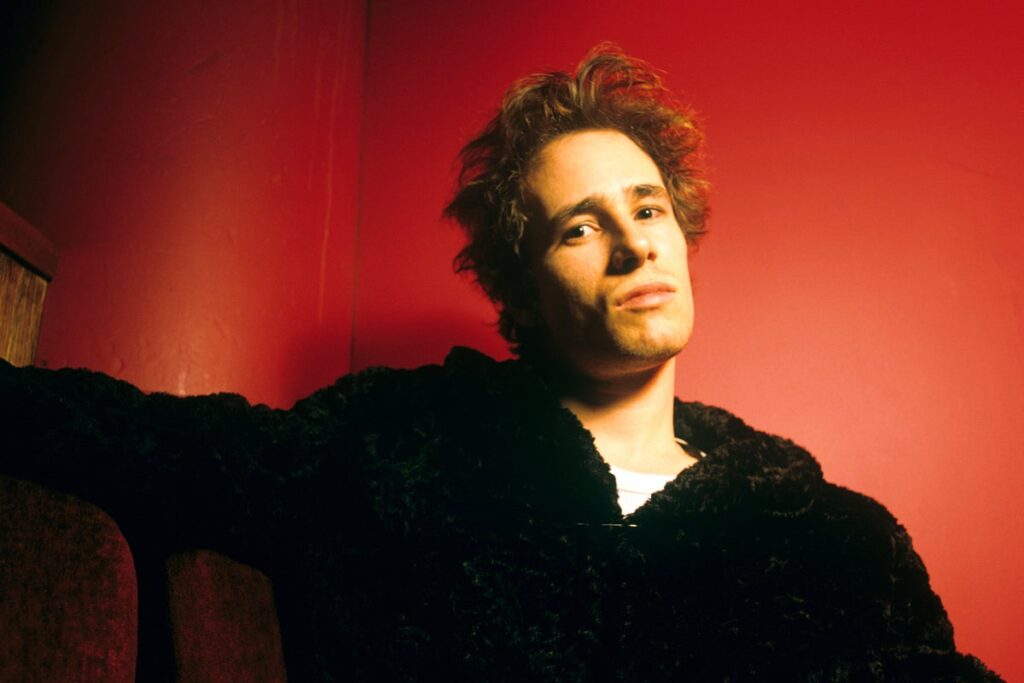
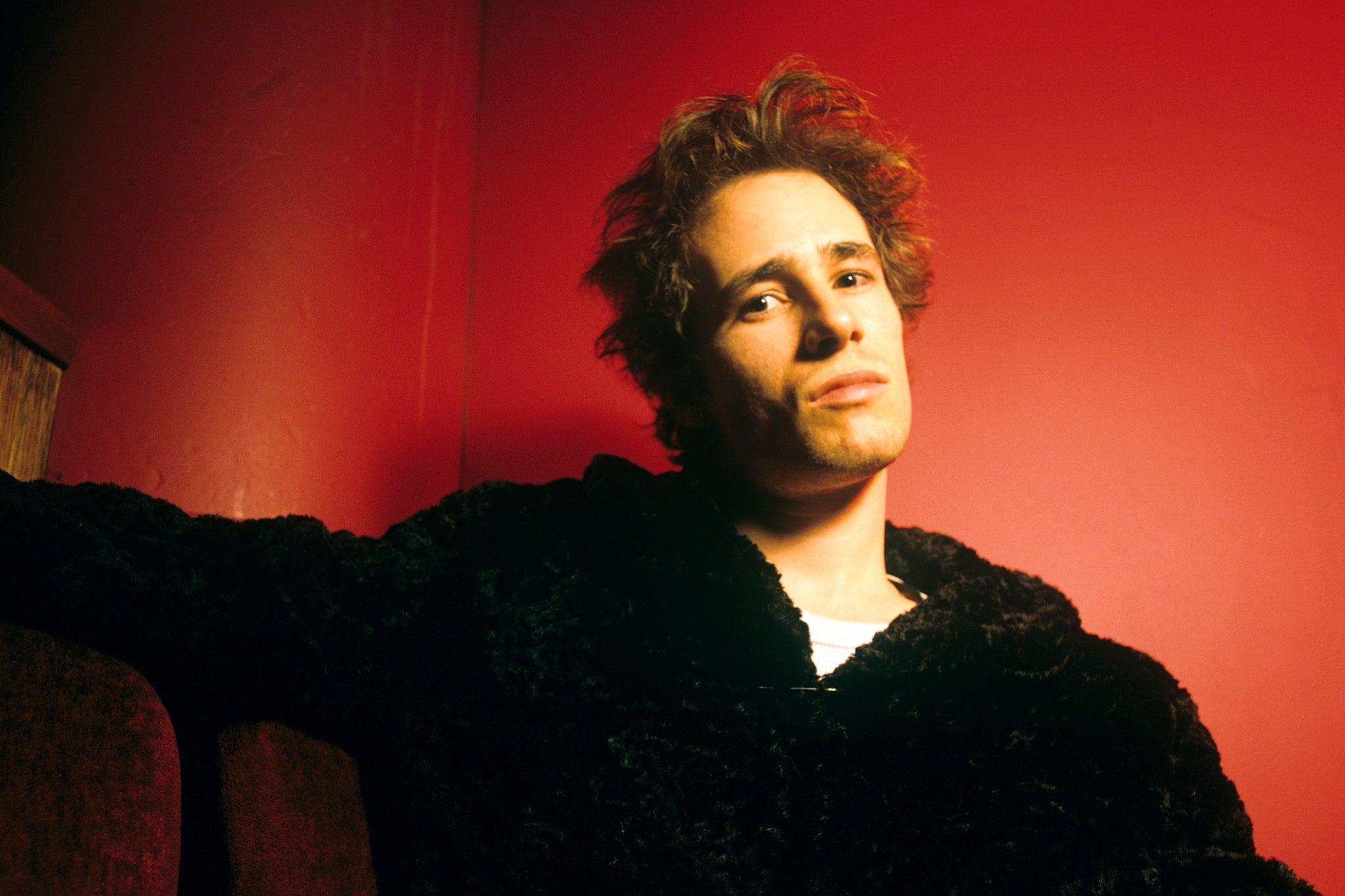
Amy Berg: ‘Jeff’s mother, Mary, trusted me. She gave me everything I needed’ (Retna USA/Shutterstock)
And he’d ensured he could be his complete, genius self on his debut album, Grace. “The word on the street was, Jeff had got the best record deal going at that time,” says Berg, who worked in the music business at that time. The money was nice, but, Berg underlines, “what made it so good was Jeff had complete creative control”.
Even so, Buckley would endure a bumpy ride through fame. He’d already bristled at the focus on his looks during early media coverage of the Sin-é shows, griping drily to the faithful one night, “I don’t look like Matt Dillon, do I? I’m sick of that s***.” He particularly hated comparisons to his late father, folk maverick Tim Buckley. “I can’t help it if I sound like him,” he told Puncture magazine in 1994. “My voice has been handed down through the men in my family for generations.”
Buckley met his father only once, when he was seven, in 1975; a fortnight later, Tim was dead of an overdose. Jeff wasn’t invited to the funeral, but 16 years on he accepted producer Hal Wilner’s request to perform at a 1991 Tim Buckley tribute concert in Brooklyn. He’d previously refused to cover any of his father’s material, but that night he sang “I Never Asked to Be Your Mountain”, which Tim had written about leaving Jeff and his mother. Jeff was the hit of the show, though his relationship with his father’s legacy remained complex. “I’m convinced part of the reason I got signed is because of who I am, and it makes me sad,” he told The New York Times in 1993.
It was his mother, Mary Guibert, who was Jeff’s true guiding light. Guibert is perhaps It’s Never Over’s most compelling character. She never paints herself as the perfect mother, but it’s clear she gave it her very best, even as she’s threatened with arrest for sparking up a joint in the parking lot before one of her son’s landmark shows. Her belief in her son’s talent, and his decency, is abundant; her pride in his achievements – and her enduring grief over his death – clear in scenes where she plays back treasured voicemail messages he left her.
That radical, rebellious impulse within Buckley, which ensured he’d be the kind of maverick who never coloured inside the lines, clearly derives from Mary, not Tim. During her interview segments, she’s wearing a “Suck Fony” T-shirt, a spoonerific thumbing of the nose at the record label she’s previously fought as part of her mission to protect Jeff’s legacy.
open image in gallery
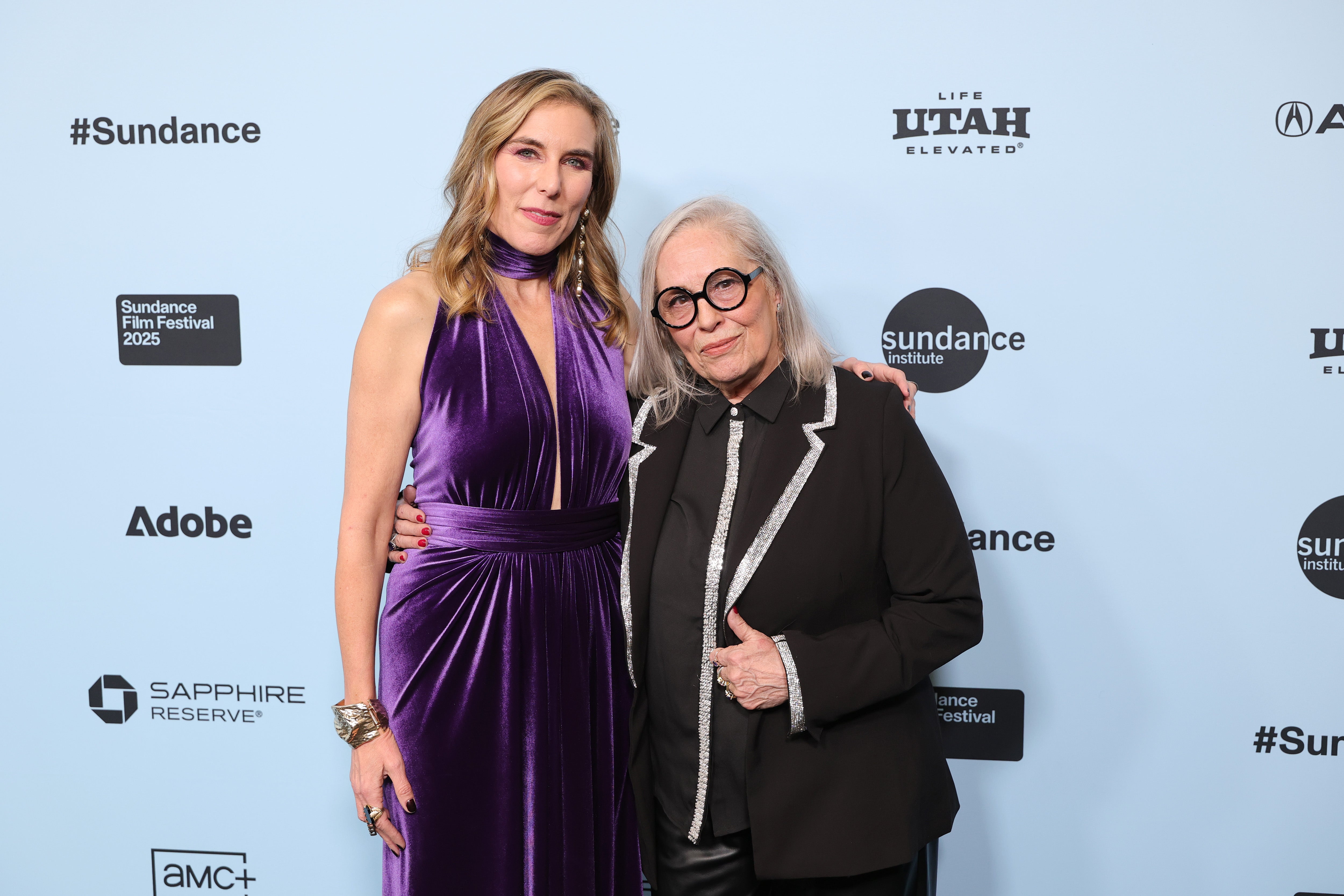
Amy Berg and Mary Guibert at the ‘It’s Never Over, Jeff Buckley’ premiere at Sundance Film Festival (Getty)
“Mary trusted me,” says Berg, explaining the remarkable interviews Guibert gives throughout the movie. “She gave me everything I needed. And it weighs heavily on her, for sure.” Guibert’s presence is one reason It’s Never Over delivers such an intimate portrait of Buckley: Berg wasn’t interested in chasing the usual talking heads that populate rockumentaries. Instead, she pursued the people who really knew Buckley. That includes the musicians he worked with (guitarist Michael Tighe and drummer Parker Kindred). More importantly, it includes the women he loved: Rebecca Moore, the artist who was his girlfriend as his career took off, and Joan Wasser, AKA musician Joan As Policewoman, his partner in the three years before his death.
“Because I felt that Jeff was a feminist, I wanted to see how he was identified by the three primary feminists in his life,” Berg says. “Rebecca and Mary were the only ones that knew Jeff before he was famous, and they were the most worried about him.” They knew Buckley was a pure element entering a corrupting sphere, and worried how his unguarded personality would withstand fame. “Mary and I discussed this a lot,” Berg continues. “Jeff just didn’t have a lot of life experience before moving to New York. And when Jeff and Rebecca broke up, she felt he wasn’t going to be safe, he needed protection from the industry, just because she had grown up around it and had some experience with it.”
Buckley began work on Grace in autumn 1993, with the band he had assembled just five weeks earlier. His challenge was to distil the unstable magic displayed at Sin-é into a coherent artistic statement. The studio environment and the pressure threatened his wild creative temperament. When it all got too much, he’d jump in his car and drive, blasting his cassettes of pioneering Rastafarian thrash-punks Bad Brains and lunatic ska-funkateers Fishbone, to remind himself who his people really were: the freaks, the weirdos, like him.
Music was always Buckley’s refuge. The first album he ever owned was Led Zeppelin’s Physical Graffiti. Until recently, you could virtually flip through his old record collection on jeffbuckley.com: it included The Beatles and The Birthday Party, chanson singer Edith Piaf and fart-obsessed pop-punks the Descendents. Buckley’s voracious musical appetite made his own music come out in unexpected, volatile ways. And Grace found space for many of the different modes and moods Buckley loved, in his own material and in unexpected covers, like Benjamin Britten’s arrangement of the funeral lament “Corpus Christie Carol”, and “Lilac Wine”, a jazz standard performed by his hero, Nina Simone (“I want to be Nina Simone,” Buckley says in the movie, “although she would advise against it, I’m sure.”).
open image in gallery
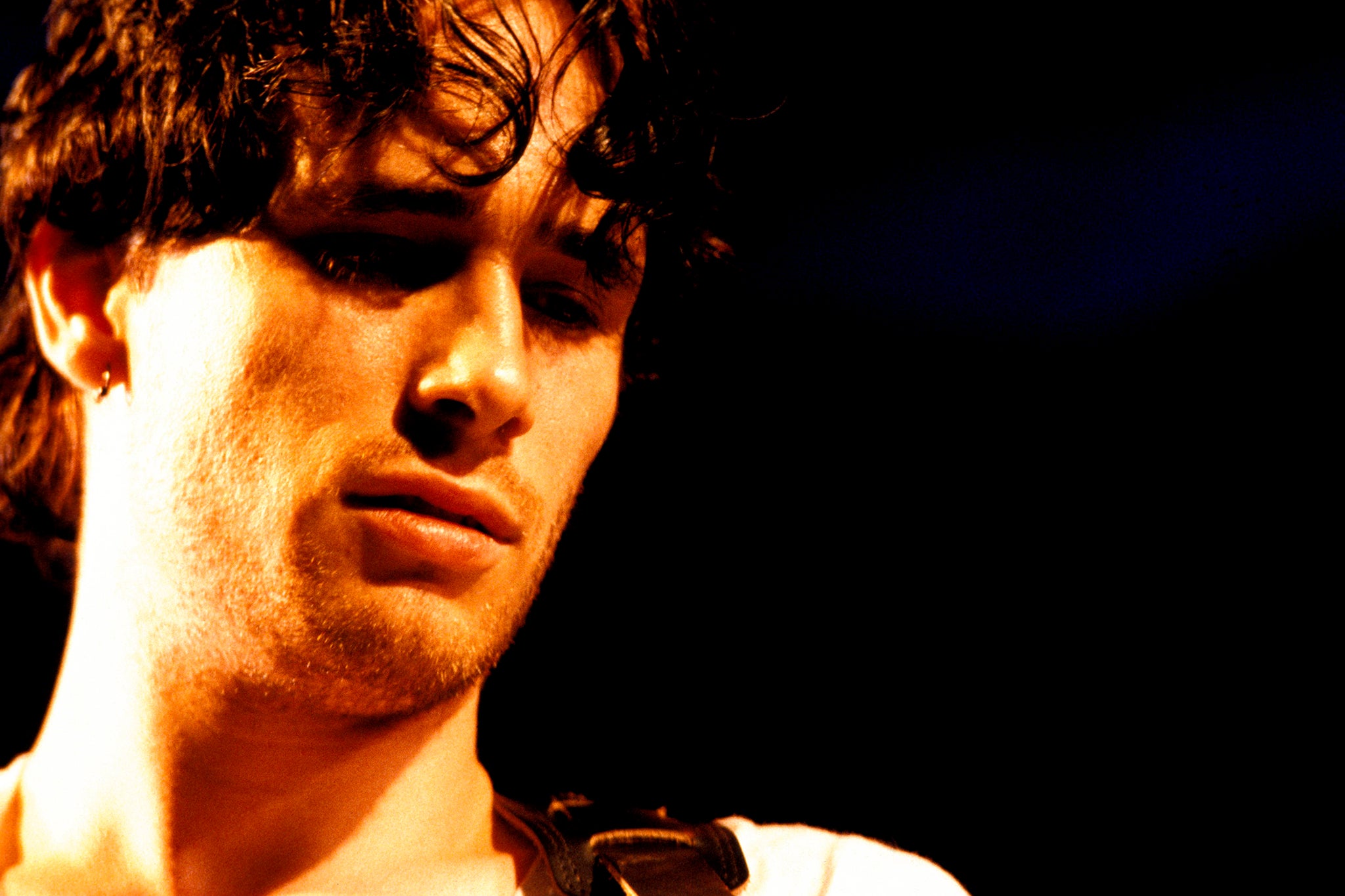
‘There was a very boundary-less, liquid feeling to him… a quality that felt very tidal wave-y’ (Redferns/Getty)
As the roar of acclaim rose, Buckley tried to maintain, but when David Bowie himself tells you your debut is “the best album ever made”, that’s going to be tough. And Buckley no longer had the stabilising influence of Moore. In one of the movie’s more striking interviews, singer Aimee Mann talks of encountering Buckley as his buzz reached its peak. Buckley suggested they have sex, but Mann refused, sensing “there was a very boundary-less, liquid feeling to him… A quality that felt very tidal wave-y.”
His final partner, Wasser, describes Buckley as “a really staunch defender of women”. Berg says he wrestled with his guilt over splitting with Moore as his star became ascendent. “He had a tremendous amount of guilt for what he felt he wasn’t able to protect, like when he broke up with Rebecca. There were experiences that weighed heavily on him.”
He had a tremendous amount of guilt for what he felt he wasn’t able to protect
Amy Berg
Grace was a masterpiece, but it didn’t sell like one, and the record company worked Buckley hard. You can see him in It’s Never Over, exhausted from the promotional treadmill, the constant touring, already sensing the pressure to follow up on his debut. “Touring is not easy, doing publicity is not easy,” adds Berg.
Buckley grew increasingly alienated by the constant focus on his sex appeal. People magazine named him one of the world’s “50 most beautiful people”; in the movie, Mary speaks about waking at dawn to buy every copy in the area so he wouldn’t see it. The brilliant photographer Steve Gullick shot Buckley in 1995, at the height of his ambivalence towards the media’s gaze: “I said, ‘I bet you’re sick of being made out to be this beautiful man, so let’s do an “ugly” session.’ He was well up for it.” For Gullick’s lens, Buckley pulled dumb faces, stuck jellybeans onto his teeth, and hung himself from a coat-hanger, liberating himself from that pretty-boy image. His grin suggests that it felt good.
“He loved the attention, at certain times,” says Berg. “But he also struggled with it. When he hired Parker Kindred to be his drummer, he said something to the effect of it would take the pressure off him, because Parker was so good-looking. That was part of his decision-making.”
Buckley hated being on a pedestal, even though he’d placed himself there by recording the kind of debut LP that would prove a trial to follow. “Jeff had such fear around this record,” Kindred says, of the sessions to record his second album. “He wasn’t ready.” Berg agrees: “The sophomore slump is not an easy thing to manage.” The original sessions for that second album, with Television singer/guitarist Tom Verlaine as producer, were shelved. But a series of unannounced solo shows across the east coast, where Buckley performed under ludicrous pseudonyms, seemed to recharge the singer’s batteries and reacquaint him with the freedom and creativity of his earlier days.
He recalled his bandmates to Memphis to begin the new record afresh. The day they were due to arrive, Buckley went swimming in the Mississippi, was swept underwater by the wake of a tugboat, and drowned. He was 30.
open image in gallery
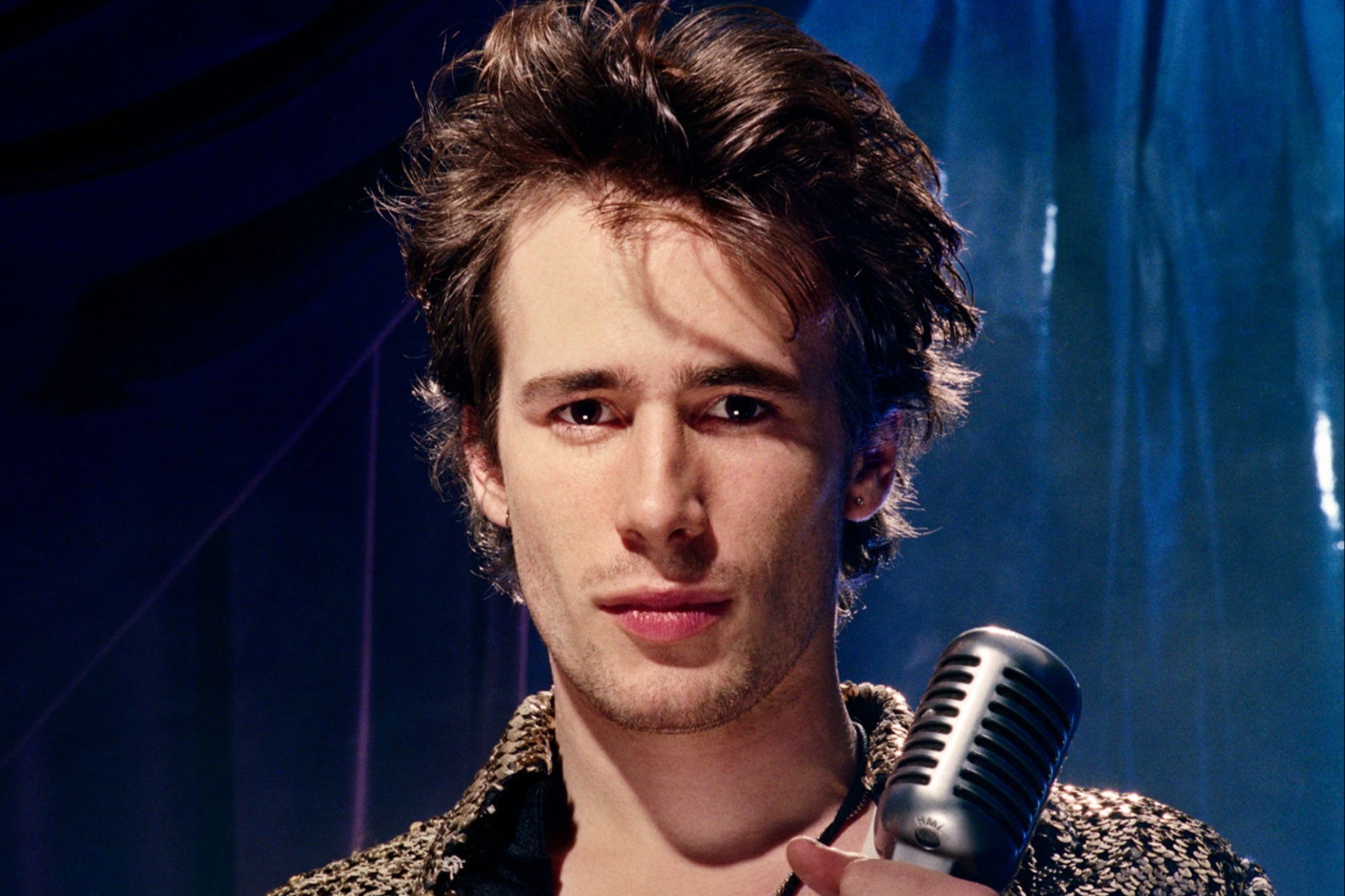
Buckley wasn’t interested in being anyone but himself (Merri Cyr/Sundance Institute)
Even if you already shed your tears over Jeff when he died almost three decades ago, the final scenes of Berg’s movie are powerfully impactful. It’s Never Over is a testament to Buckley the immeasurable talent, but moreover a compelling portrait of Buckley the man. You will feel the loss of both keenly.
“I felt very responsible over how Jeff was portrayed,” says Berg. “I had a real affinity for Jeff in the Nineties; his music connected me to some emotional highs and lows in my life. Certain music and songs just get us through [difficult] moments. That’s what Jeff was, and continues to be, to me. And so I wanted people who weren’t around in the Nineties to experience him firsthand, to have an authentic introduction to Jeff’s music. I wanted the super-fans to feel satisfied. And I chose intimacy as the root to telling the story, because when you get that close, it will always move you in some way.”
‘It’s Never Over, Jeff Buckley’ is released to UK cinemas on Friday 13 February