
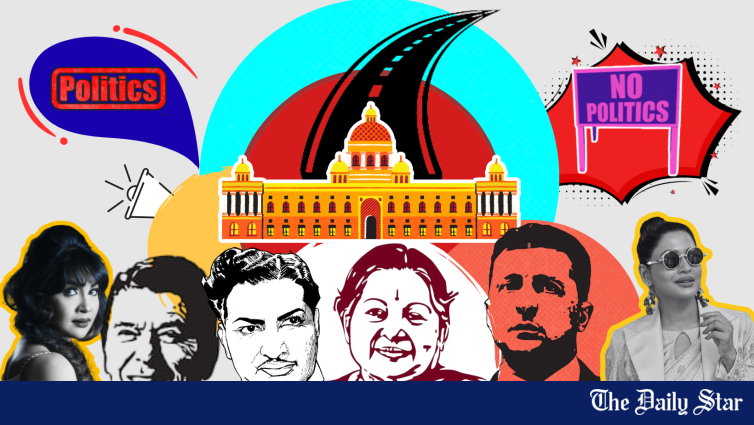
The long-standing debate over whether celebrities should join politics has once again become relevant — particularly in the context of the 13th parliamentary election, where, despite widespread buzz around celebrity engagement as voters and their noticeable participation in promotional campaigns, no major showbiz personality stood as a candidate this year. The absence is striking in a country where cultural figures have previously transitioned into formal political roles.
Many artistes have faced backlash for switching party support or for their prior political involvement. Before the election, singer Rabi Chowdhury, for instance, had to explain his participation in Bangladesh Nationalist Party’s (BNP) promotions in Dhaka-17 after previously supporting singer and former MP Momtaz for Awami League. He stressed that he is “not an agent” and acted solely at fellow artistes’ requests, not for personal gain. “I sing when invited, irrespective of the party,” he told Prothom Alo. Payments received were for performances, not campaigning, reflecting civic responsibility rather than political ambition.
At the same time, actors Shimla, Omar Sani, and others faced similar scrutiny, highlighting the tension between personal choice and public judgment. They were trolled for switching their support and tagged as “opportunists”.
Allegations of misuse of influence persist, from lobbying for film grants and National Awards to forming industry syndicates, though these claims remain unsubstantiated and lack valid evidence.
Over the years, celebrities have undeniably been drawn into politics, sometimes for personal benefit. Actor Azmeri Haque Badhan bravely admitted to the media her association with the “power abusers”. She claimed, “I personally witnessed the corruption and manipulation in the 2018 and 2024 elections. To be honest, I was also a part of it… because I was actively involved in the campaigns and very close to key figures of the previous government,” referring to the Awami League.
Her candid admission is commendable, a practice that reflects both political awareness and accountability– traits many of her colleagues avoid discussing.
Historically, celebrities have found both opportunities and challenges in Bangladeshi politics. After a long wait of seventeen years, veteran singers Baby Naznin, Kanak Chapa, Monir Khan, Asif Akbar, and Nazmun Munira Nancy were speculated to receive BNP nominations this election, but none were ultimately fielded. Many of these artistes opened up after the July uprising about the repression and neglect they faced for supporting particular political banners, which even hampered their careers.
In contrast, the previous Awami League–led parliament featured numerous representatives from entertainment and sports, including the late actor Farooque (Akbar Hossain Pathan, 1948–2023), actor and cultural activist Asaduzzaman Noor, who was elected as a member of parliament multiple times, and former cricketer Mashrafe Bin Mortaza, all of whom were widely loved by the public.
In the 2024 national election, actor Ferdous Ahmed and cricketer Shakib Al Hasan won their respective seats with strong public support, yet the subsequent political transition prevented them from enjoying a full parliamentary tenure.
The perceived ‘opportunistic’ faces of celebrities were on display during the July Uprising, when several artistes were accused of blindly supporting the ruling party instead of speaking against the killings of innocents amid unrest.
Controversial incidents in the past and the absence of celebrity participation in this election create a linkage and bring questions: Are political parties recalibrating strategies? Has public perception of celebrity-politicians shifted? Or are artistes themselves reconsidering the risks of crossing into partisan politics?
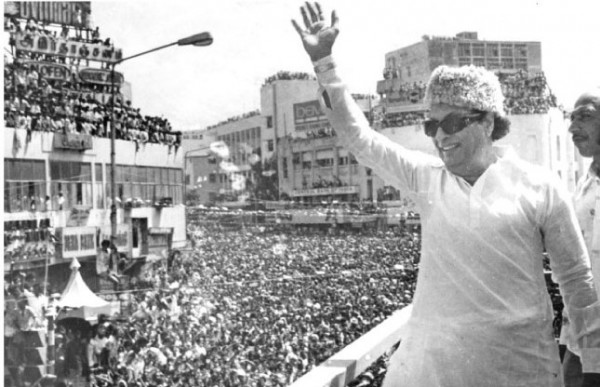
M G Ramachandran
Photo: Collected
Popularity and emotional capital often translate into political influence in Bangladesh. Parties frequently rely on well-known figures to attract youth and floating voters, boost cultural legitimacy, and gain media visibility.
Yet celebrity involvement carries reputational risks, as public assessment often judges political choices more harshly than artistic achievements. Several Bangladeshi artistes argue that remaining beyond politics allows them to preserve neutrality and trust. Ekushey Padak-winning icon Babita has stated she is strictly against artistes joining politics, warning that it may compromise integrity and push them into corruption. “Why would artistes join politics? I don’t like this at all! They must remain in art, not in politics,” she said to the media.
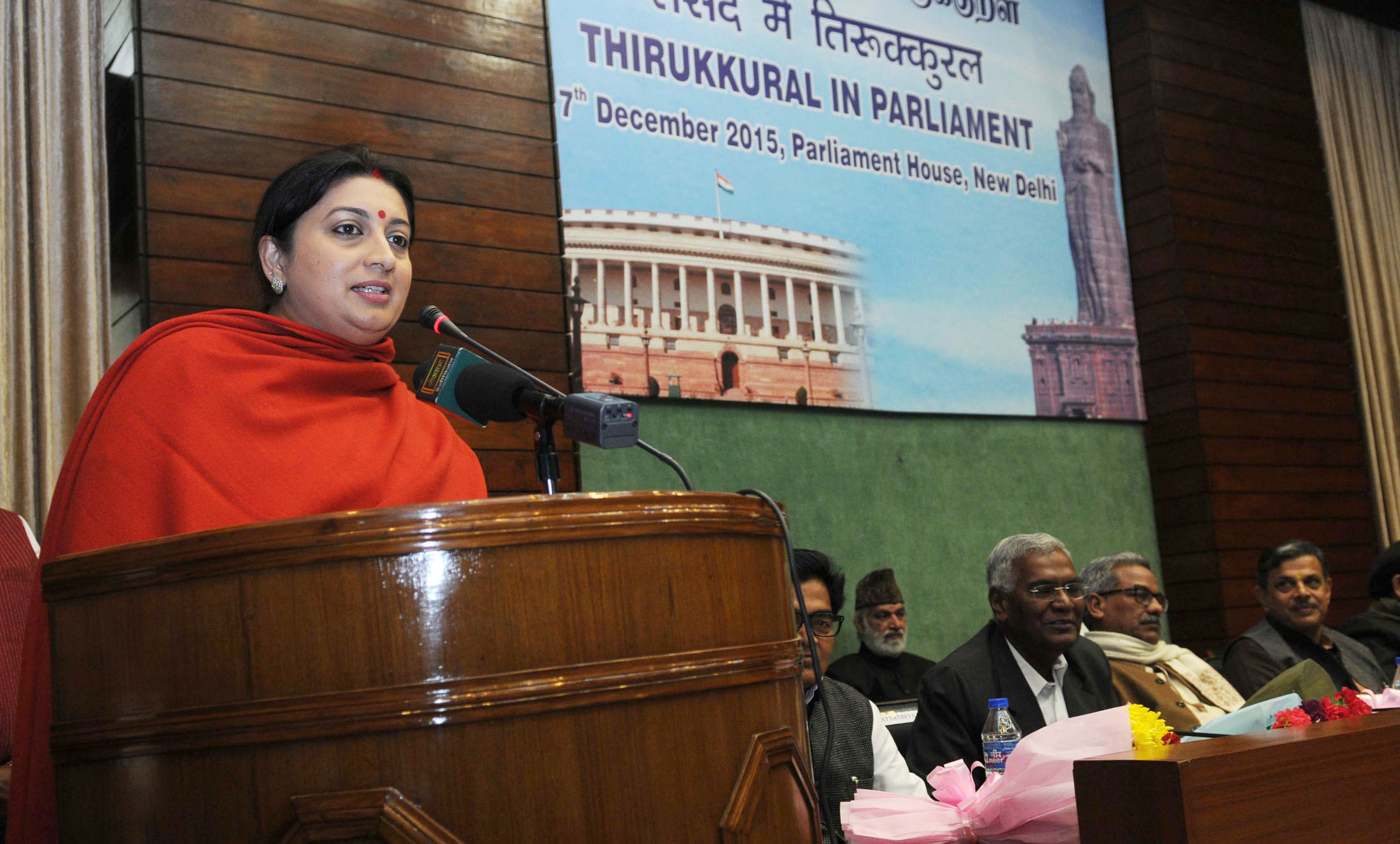
Smriti Irani
Photo: Collected
On the other hand, veteran singer Asif Akbar is open about his motivations. “Politics runs in my family. I was the youngest member of BNP’s central executive committee and one of its most loyal supporters. I have been a lifelong admirer of Shaheed Ziaur Rahman, and my support for BNP is rooted in respect for him rather than personal gain… I have never flattered or pandered to anyone, and I never will.”
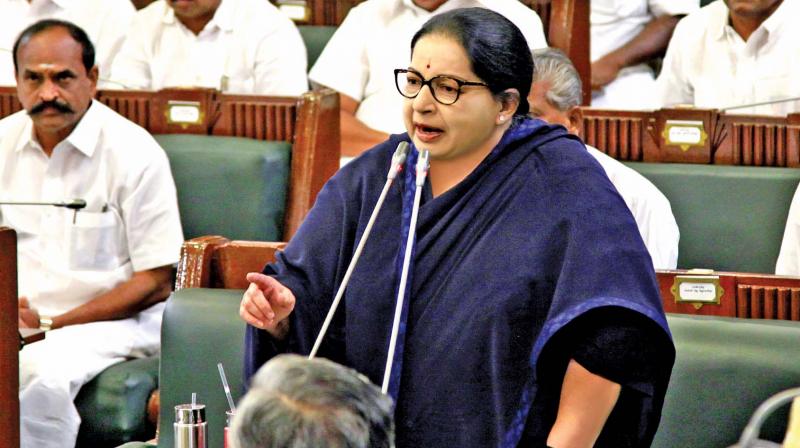
J Jayalalithaa
Photo: Collected
Globally, entertainers who enter politics often face scepticism. Ronald Reagan moved from acting to become the Governor of California and later the 40th US President, proving the “just an entertainer” label wrong. Volodymyr Zelenskyy, a comedian and actor, became President of Ukraine and showed strong leadership during a crisis. In South Asia, M G Ramachandran (1917–1987), N T Rama Rao (1923–1996), and J Jayalalithaa (1948–2016) turned their film fame into political power, showing that artistes can also govern. Often, criticism reflects society’s concern over celebrity influence rather than real political ability.
Popular Indian actors like Shatrughan Sinha (Lok Sabha member), Jaya Bachchan (Rajya Sabha member), Smriti Irani (former Education Minister), and Saayoni Ghosh (Lok Sabha member) were also tagged as “just entertainers” or accused of lacking political credentials or ideological depth. Such stereotypes often lead to online bullying, threats, and trauma.
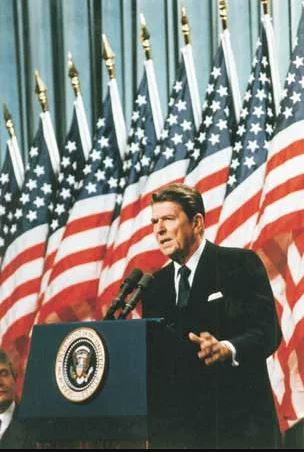
Ronald Reagan
Photo: Collected
Needless to say, artistes are expected to act responsibly toward society or to be more vocal than others, given the complex relationship between art and politics, where art can reflect, critique, or shape political authority, social norms, and prevailing ideologies. Artistes should remain principled, outspoken, and politically aware. Just as they should not be judged solely on their political beliefs, they should not use their influence for personal gain either.
Restricting artistes based on profession alone risks narrowing democratic representation. Professionals from journalism, law, medicine, or religious leadership routinely transition into politics. Why should entertainers be barred? Integrity, competence, and vision matter more than celebrity status. Political misconduct is determined by character, not fame.
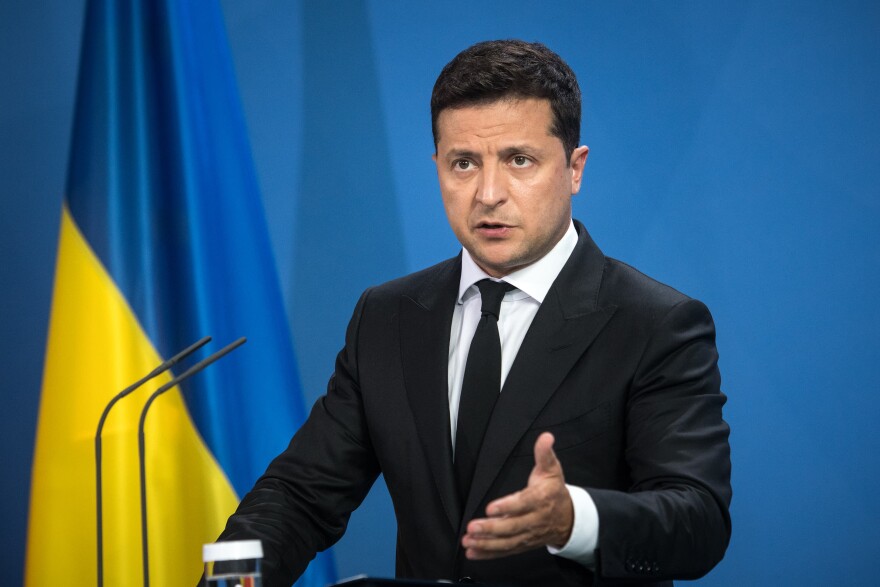
Volodymyr Zelenskyy
Photo: Collected
The stereotype of calling politics “bad” will only change once it is practiced consciously by all. As Aristotle observed, “Man is by nature a political animal.” In Bangladesh, where cultural figures wield immense trust and influence, the intersection of arts and politics remains compelling. Whether through direct participation or civic engagement, artistes can contribute meaningfully to societal and political transformation — if the public and parties judge them on ability, not image.
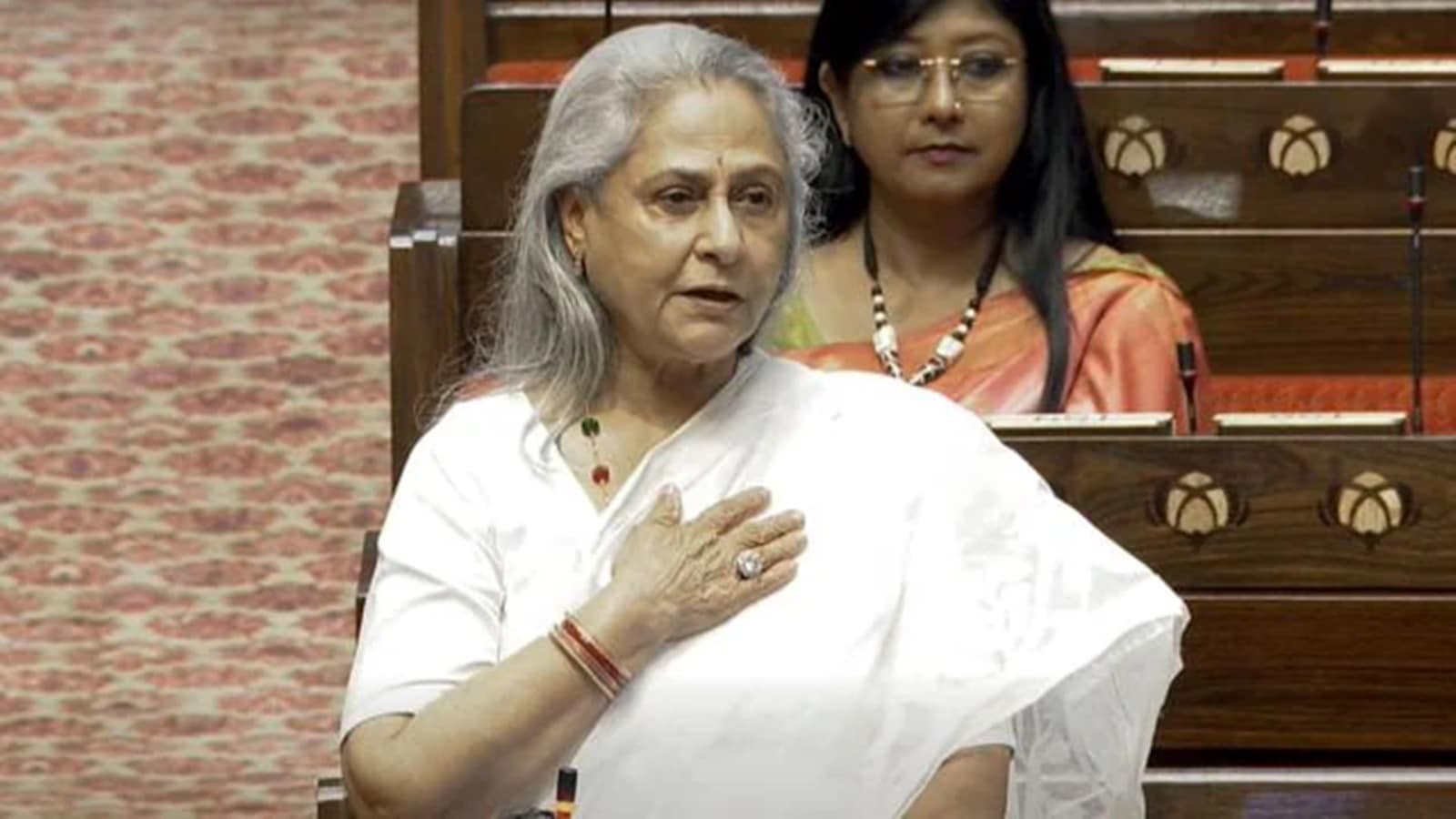
Jaya Bachchan
Photo: Collected
Young leaders like Nahid Islam, Hasnat Abdullah, Tasnim Jara, and Monisha Chakraborty show that political commitment and public service can come from diverse backgrounds, encouraging fresh entrants to participate despite politics’ heavy stigma of corruption, extortion, and power abuse.
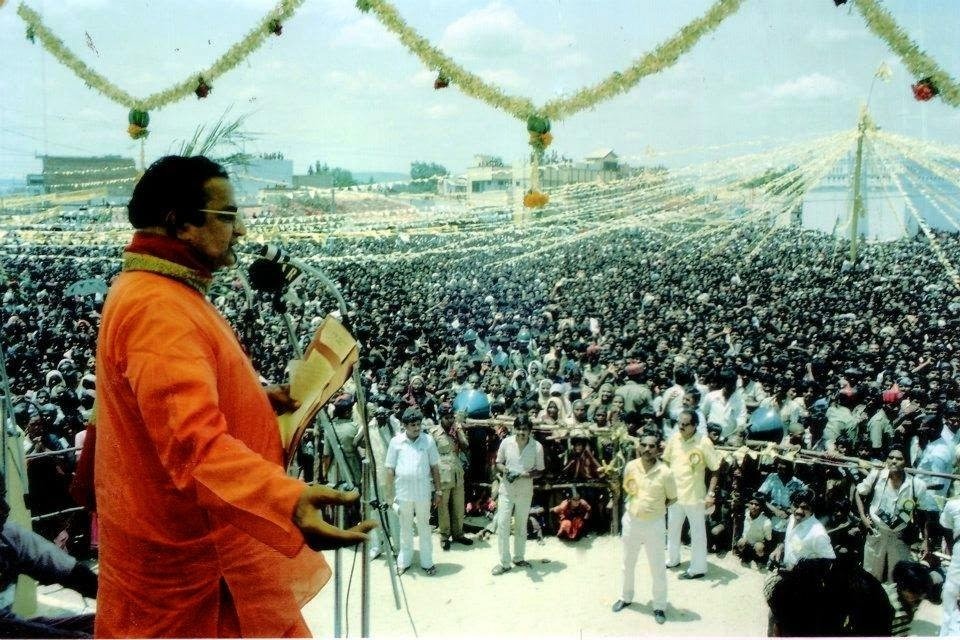
N T Rama Rao
Photo: Collected
At its core, politics should be about patriotism, integrity, and giving a voice to those who cannot speak for themselves. The tension between this ideal and public perception makes the debate over leadership and who belongs in politics so pressing.
The debate continues.
Politics carries risks for everyone, but the focus should be on moral clarity, competence, and dedication to public service — not the glamour of past achievements. Artistes, like citizens from any profession, deserve the right to engage in politics without stigma, as long as their aim is to serve the nation.