
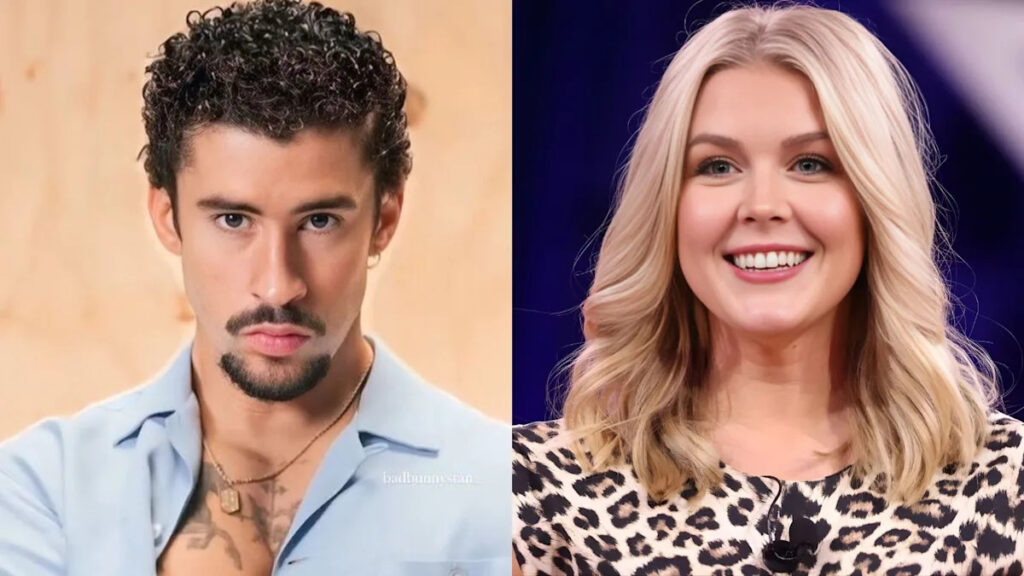
Karoline Leavitt found herself on the receiving end of online mockery after a short Instagram video reignited accusations of hypocrisy.
The clip, shared as an end-of-year recap, showed the White House press secretary highlighting memorable moments from her role in the Trump administration. What caught viewers’ attention was not the visuals, but the music choice playing in the background.
The reel used “DtMF,” a track by Bad Bunny, an artist Leavitt has openly criticized in recent months. The contrast between her past statements and her apparent use of his music quickly turned the post into viral fodder.
Social Media Users Zero In on the Song Choice
The video appeared on Instagram, where Leavitt wrote that she had “conquered one year” in her position and thanked Jesus for the blessings received in 2025 and those she expected in 2026. The message itself was celebratory and personal. The response, though, focused almost entirely on the soundtrack.
Comment sections filled rapidly with jokes, screenshots, and sarcastic remarks. Several users pointed out the irony of a senior Trump administration official using music from an artist often targeted by conservative commentators. Others went further, suggesting the clip revealed a private admiration she would never acknowledge publicly.
Some mocked previous claims from conservative circles that Bad Bunny’s music was not “for Americans.” Others simply posted GIFs and images of the artist, letting the contradiction speak for itself. The tone ranged from playful teasing to outright ridicule.
Leavitt’s History of Criticism Toward Bad Bunny
The reaction did not emerge in a vacuum. Leavitt has repeatedly criticized Bad Bunny over his public statements and performances. Tension escalated after his acceptance speech at the Grammy Awards earlier this year, when he opened with the phrase “ICE out,” a comment widely interpreted as a jab at U.S. immigration enforcement.
In that speech, the artist spoke about humanity and identity, receiving a standing ovation from the audience. Leavitt addressed the moment shortly after, criticizing celebrities who, in her view, attack law enforcement while enjoying wealth, security, and distance from the realities faced by ordinary Americans.
Her remarks aligned with broader MAGA-world criticism of Bad Bunny, framing him as out of touch and hostile to American institutions.
Bad Bunny as a Flashpoint in Conservative Culture Wars
Bad Bunny’s influence has extended far beyond music. His visibility at the Super Bowl halftime show earlier this year intensified backlash from conservative politicians and commentators. Some labeled the performance un-American. Others questioned its cultural fit for such a high-profile national event.
The outrage reached unusual levels, with some GOP lawmakers even floating the idea of investigations tied to the halftime performance. The controversy turned the artist into a recurring symbol in debates about culture, patriotism, and representation.
Within that context, Leavitt’s Instagram post landed differently. It was not just a casual music choice. For critics, it looked like a contradiction laid bare.
The Irony That Fueled the Backlash
What made the moment resonate online was how easily it played into an existing narrative. Leavitt has become one of the administration’s most visible defenders, regularly pushing back against media narratives and cultural critics. Seeing her use a Bad Bunny track felt, to many viewers, like proof that private consumption and public condemnation do not always align.
The irony deepened when users recalled that Leavitt is not the only MAGA figure linked to Bad Bunny’s work. Reports circulated earlier this year that the president himself had screened the halftime performance at his Florida golf club. That detail resurfaced in comment threads, adding fuel to the mockery.
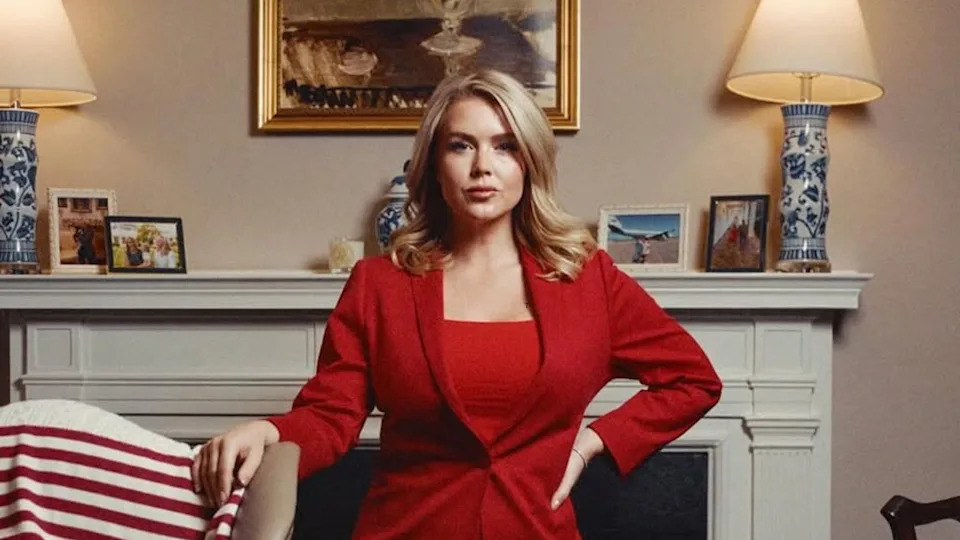
Photo Credit: vanityfair/Instagram
What the Episode Reveals About Public Image
The viral moment underscores how tightly scrutinized public figures have become, especially online. A song choice lasting a few seconds can overshadow an entire message. For Leavitt, the clip shifted attention away from her achievements and straight toward perceived inconsistency.
It also highlighted a broader tension within political branding. Cultural products often transcend political lines, even when rhetoric suggests otherwise. Music, especially globally popular music, travels easily into spaces where it is publicly rejected.
A Small Clip With Outsized Impact
Leavitt has not responded to the backlash, and the post remains live. The controversy may fade quickly, replaced by the next viral moment. Still, the episode illustrates how symbols matter in modern politics.
For critics, the clip was a punchline. For supporters, it was overblown. For everyone else, it was another example of how culture and politics continue to collide in unexpected, and sometimes awkward, ways.
What do you think?