
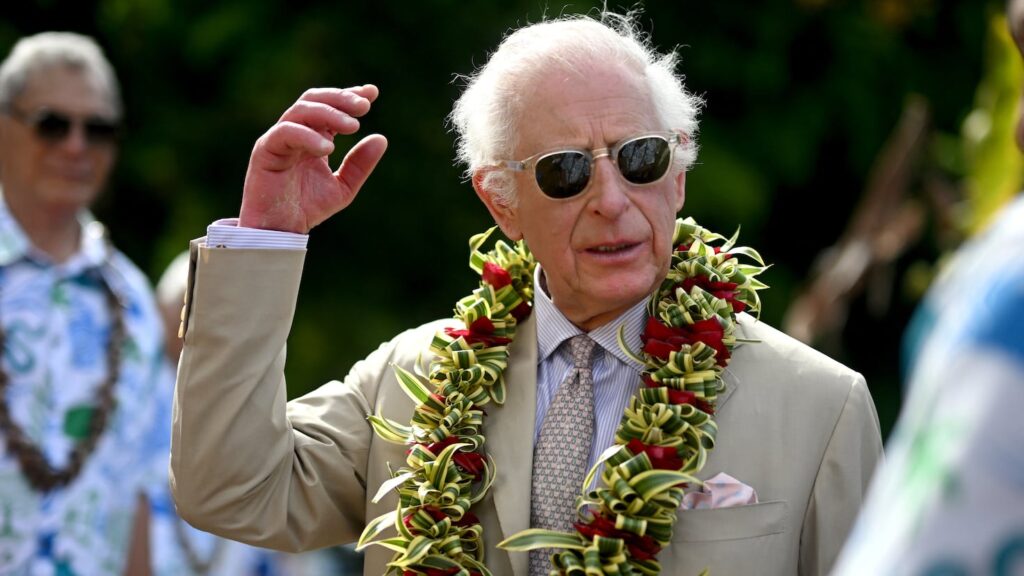
Shock has rippled across the United Kingdom following the death of a longtime royal household employee, amid questions about whether the tragedy may have been linked to a professional setback involving King Charles III.
Christopher John Eadie, a painter and decorator who worked for the British royal family for three decades, was found dead in his garden on Oct. 10. He was 63. An autopsy conducted by forensic officials in Norfolk County determined the cause of death to be hanging. However, local coroner Yvonne Blake said it remains unclear whether his actions were definitively intended as suicide, citing documented mental health struggles.
A career devoted to the monarchy
Eadie spent 30 years working for the Firm, first under Queen Elizabeth II and later for her son, King Charles III, as well as other senior royals, including Prince William and Catherine, Princess of Wales. According to his family, he even painted William and Catherine’s bedroom and once met their children in the garden.
“He was loyal and never talked about his work,” his brother, Mark Eadie, told the court. “But I know he painted William and Kate’s bedroom and even met their children once in the garden. He said they were adorable.”
By all accounts, Eadie had built a respected and discreet career inside one of the world’s most scrutinized institutions. That trajectory, his family says, may have shifted after a particular assignment at the Sandringham estate, the private Norfolk residence traditionally used by the royal family during the holidays.
The Sandringham dispute with King Charles
According to testimony, King Charles asked Eadie to repaint a Buddhist-style pagoda in the estate’s gardens, providing specific instructions about the color scheme. Though Eadie reportedly disagreed with the aesthetic direction, he completed the work as requested.
The result did not satisfy the king, who asked for the sculpture to be repainted. Eadie carefully prepared the structure for another coat, only to learn that the repainting job had been assigned to someone else.
“After all the meticulous preparation he had done, seeing the task handed to another person devastated him,” his brother said.
For Eadie, his family believes, the episode marked a turning point.
Declining health and fewer assignments
Relatives told the court that after the Sandringham incident, Eadie’s workload from the royal household appeared to decline. Around the same time, his mental health deteriorated. He reportedly began eating less, lost a significant amount of weight and became increasingly anxious about his health, at one point convincing himself he had cancer.
Authorities have not reached a definitive conclusion about intent. For Eadie’s family, however, the unanswered questions continue to weigh heavily as they reflect on the life and career of a man who spent three decades serving the crown.
Related stories
Get your game on! Whether you’re into NFL touchdowns, NBA buzzer-beaters, world-class soccer goals, or MLB home runs, our app has it all.
Dive into live coverage, expert insights, breaking news, exclusive videos, and more – plus, stay updated on the latest in current affairs and entertainment. Download now for all-access coverage, right at your fingertips – anytime, anywhere.