
20th Century Studios
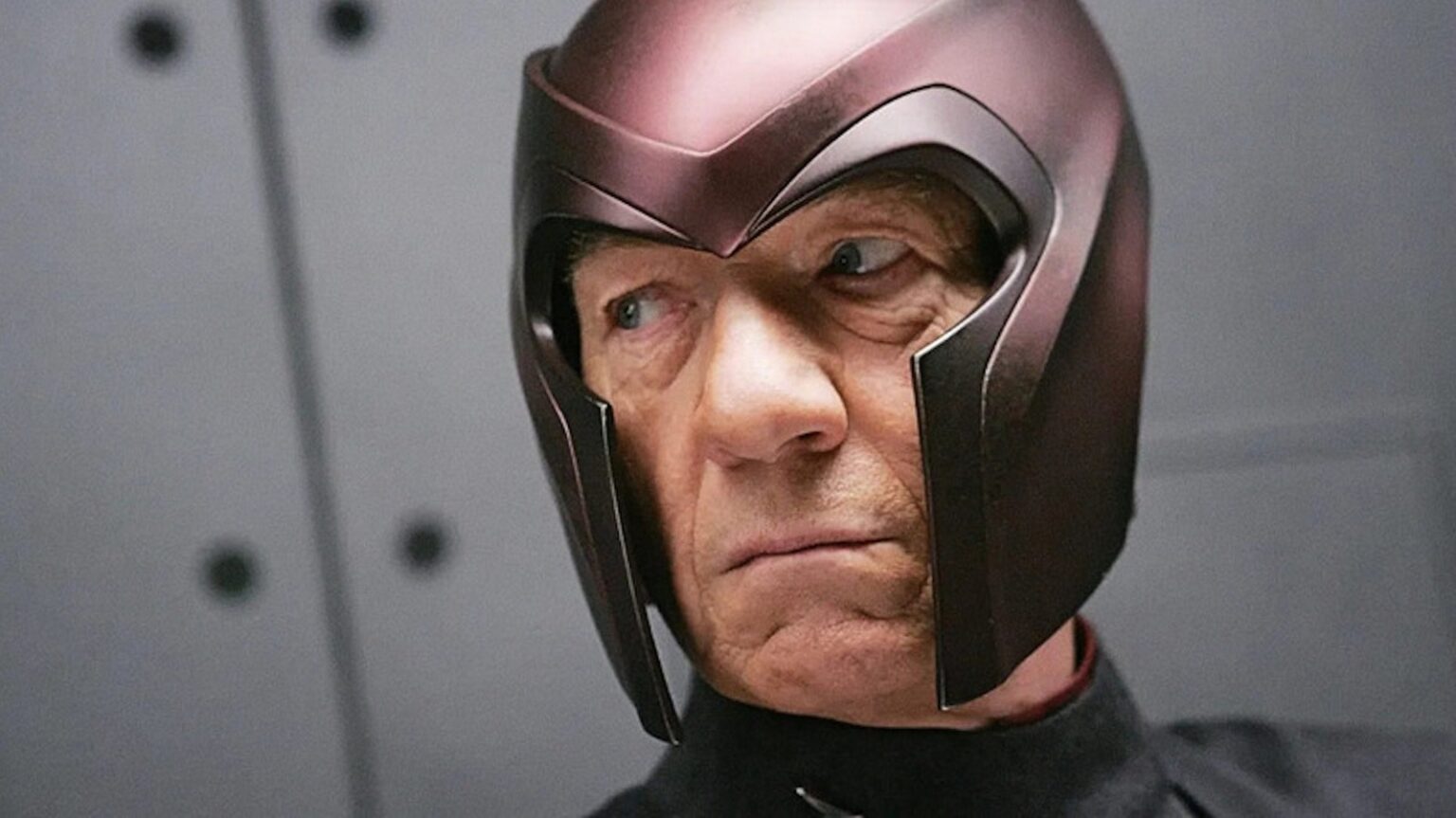
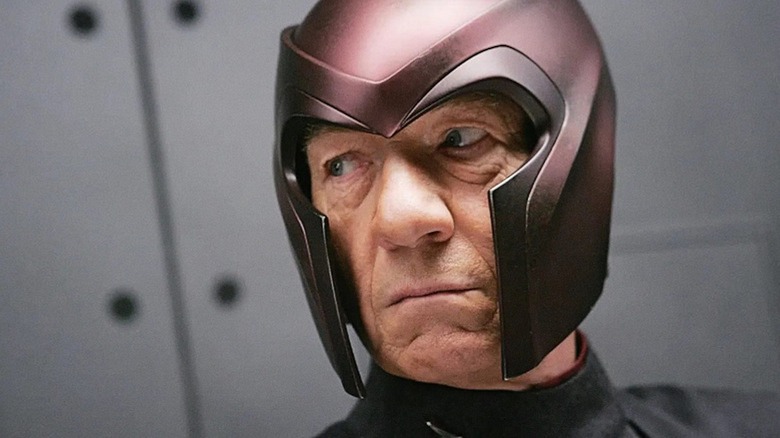
When Ian McKellen was cast as Magneto in Bryan Singer’s 2000 superhero game changer “X-Men,” comic book fans reacted with a mixture of elation and bafflement. No one could dispute that McKellen was one of the world’s greatest living actors at the turn of the millennium, but he was a slight man at 5’11”. Physically, he was a surprising choice to play the powerful, muscular, militant counterpart to Patrick Stewart’s pacifistic Professor Charles Xavier.
Singer had previously directed McKellen in his adaptation of Stephen King’s novella “Apt Pupil” (a production stained by sexual misconduct allegations against Singer, which led to the director agreeing to a settlement with the plaintiffs), so there was a comfort level there. Why wouldn’t there be? McKellen makes everything better just by showing up. But if you were a die-hard fan of Marvel Comics’ X-Men, you probably had someone more imposing in mind. Prior to “X-Men,” McKellen’s most memorable big-screen portrayal of villainy was “Richard III,” where he played the hunchbacked title character. He was a big presence — but, again, just not a big man.
But once McKellen dug into Magneto’s portrayal over the years in comic books, he established a profound connection with the character. Once he was locked in emotionally, he turned to his collaborators to help him with the physical side of the performance.
Ian McKellen let the props and costume departments bulk him up to play Magneto
20th Century Studios
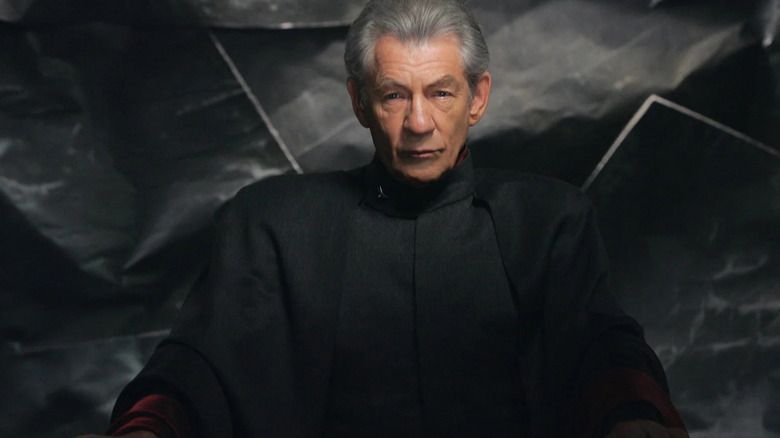
In the 2017 documentary “McKellen: Playing the Part” (currently streaming on Apple TV), the legendary actor acknowledged that he wasn’t ideal casting as the “X-Men” villain. “I thought at the time I wasn’t very good as Magneto, and I’ve had that confirmed,” he said. “If you look at the comics, Magneto is usually drawn from a low vantage point, his legs wide apart, a superhuman body of muscles and power … then there’s me, Ian McKellen.”
Typically, the solution to this issue is the gym (and maybe a bit, or a whopping buttload, of HGH), but McKellen was in his 60s, and — this cannot be overstated — Sir freakin’ Ian McKellen. Give him a body suit and he’ll give you the best Magneto you’ve ever seen.
This is precisely what happened. The props and costuming folks padded out McKellen’s pecs, thighs and calves, which was all he needed to convey the menace of Magneto. And this was important to McKellen because, as a longtime LGBTQ+ activist, he understood his character’s steely, violent resolve. “In any civil rights movement, there’s an argument between that and the Magneto character,” said McKellen. “[Magneto] says we’ll fight to the bitter end, we’re proud of our differences and may be violent in our defense. Our difference makes us superior. Maybe that’s like an extreme version of a Malcolm X leader.”
I have a hard time revisiting the X-Men movies due to the myriad sexual misconduct charges brought against Singer (as well as “X-Men: The Last Stand” director Brett Ratner), but McKellen and Stewart were perfectly cast. Since I was a kid, I’d been dreaming of a good live-action X-Men movie, and I got it in 2000.