
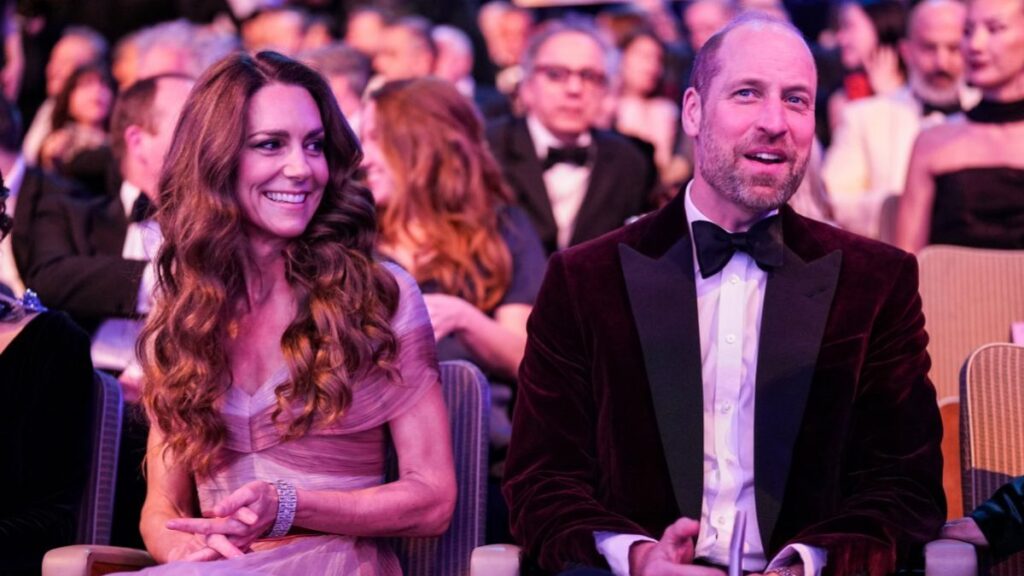
Queen Elizabeth famously said that she had to “be seen to be believed”. That mantra – used to explain how royal tours, appearances and gestures ensured the sovereign’s existence – sprang to mind on Sunday night as the Prince and Princess of Wales made an elegant return to the Bafta awards after a three-year break.
The monarchy is hanging on by a thread, Andrew Mountbatten-Windsor has become the first royal to be arrested since 1647, the public is incensed about how he may have spent public money (and whose purse provided the cash for the “settlement” with Virginia Giuffre in 2022), and the long era of media deference to the royals looks like it may have reached its end. If the monarchy has a future, it is in Kate and William. They must be seen to be believed.
Yes, Kate and William bear an enormous responsibility should the current crises drag out long enough for the line of succession still to matter. At 77, King Charles is unlikely to have time or energy to redefine the Royal Family for the modern age – despite his “slimming down” of the monarchy, and excising his tumorous brother who has probably indelibly stained his reign. It rests with his own heir to salvage the Crown’s purpose and position.
Are the couple up to the job? Well, if they are as magnanimous, thoughtful, serene, robust, generous and humble as the new biography William and Catherine: The Intimate Inside Story will have us believe then Buckingham Palace need not worry. Its author, the Daily Mirror’s Royal Correspondent Russell Myers, promises an unprecedented glimpse into their love story and how their qualities of resilience and compassion will secure the future of the Crown.
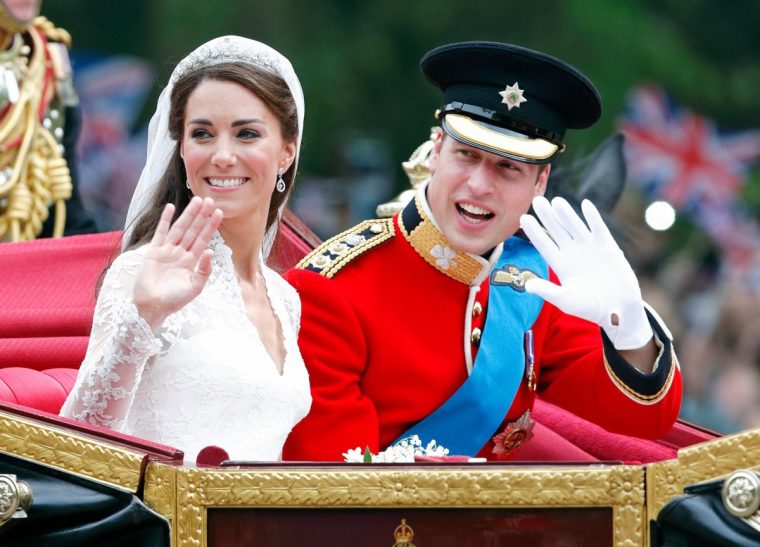 Kate and William bear an enormous responsibility should the current crises drag out long enough for the line of succession still to matter (Photo: Max Mumby/Indigo/Getty)
In rehashing four decades of their lives, from life at their respective prep schools to the earrings Kate wore at their wedding right through to the rift with Harry and Meghan, the death of the Queen, and Kate’s treatment for cancer, it paints William as a protective family man nobly and seriously balancing duty to his children with the pressure of his fate, and she his reserved, considered rock, keeping him in touch with the real world.
They are a devoted and unbroken team in the face of scrutiny, tragedy and uncertainty, as well as unsavoury relatives and petty, trashy family feuds. Ploughing through its 329 pages, I fell asleep twice.
Revelations in this volume, which might have sincerely examined the couple as individuals, explored their rarefied position, and assessed their ability to rebrand the roles of King and Queen, include that Kate’s favourite teenage pastimes were listening to music, “watching the American sitcom Friends” and that she and William had similar gap years “camping on rugged terrain and helping local communities” in Chile. I was shocked to discover that she struggled with the intrusion of the press and he with the burden of his destiny.
Don’t get me wrong: I have much sympathy with those born into the royal goldfish bowl and despite his immense privilege, I do not believe William (or Harry, for that matter) has had a remotely easy life. But it does not mean I wish to suffer through the expired gossip of a Klosters circle of Legge-Bourkes and Van Cutsems.
I do not need to be beaten over the head with just how radical the couple are and all the groundbreaking ways they have broken tradition (the book avoids exploring the actual impact and reach of their work, which, in the case of Heads Together, their mental health campaign with Harry, is considerable and lasting).
I do not need it pointed out to me that the job of a monarch demands “personality and likeability”. Like far too many craven defences of the royals, this book is so intent upon convincing us of the latter that it neglects to display the former.
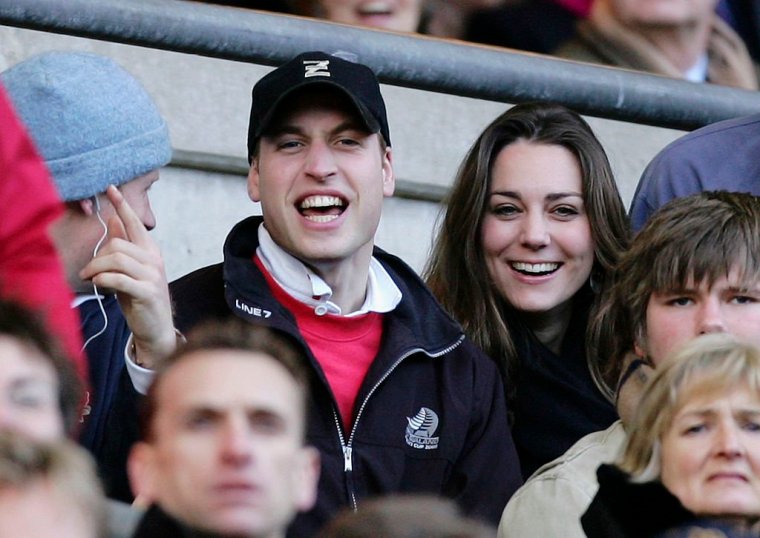 William is a protective family man who is nobly and seriously balancing duty to his children with the pressure of his fate (Photo: Richard Heathcote/Getty)
The thing is, personality is what might really save the monarchy. The royals are not celebrities or – god forbid – influencers, but it cannot be avoided that an authentic “personal brand” is the currency of our age and William and Kate would do well to judiciously capitalise on it.
Not that you’d know it from fawning appraisals, like this one, that portray them as silent, dignified heroes forced to clean up others’ messes, but they are already loosening up. He is clearly fuming about Andrew, and betrayed that he is not in a “calm state” when speaking at the Baftas.
And she has shown much vulnerability in her cancer recovery; her comments about chemotherapy and how she spoke about her illness with her very young children were incredibly affecting. Simply by appearing more human, the couple can embody a millennial relatability that transcends class boundaries, can present themselves as modern, cool and (unlike Harry and Meghan, who appear mercenary and indiscreet) classy.
But that doesn’t mean they should. The more I read, the more infuriated I grew by the implicit understanding that upholding an archaic hierarchy is an all-or-nothing mission and that we should all get behind this couple for the sake of our country. Does being the best of a bad bunch really justify such hero-worship? Is being beautiful and kind when it is your job to be beautiful and kind really the mark of any kind of exceptionalism? Is giving time, commitment, money and publicity to good causes deserving of constant congratulation when the public employs you to do so?
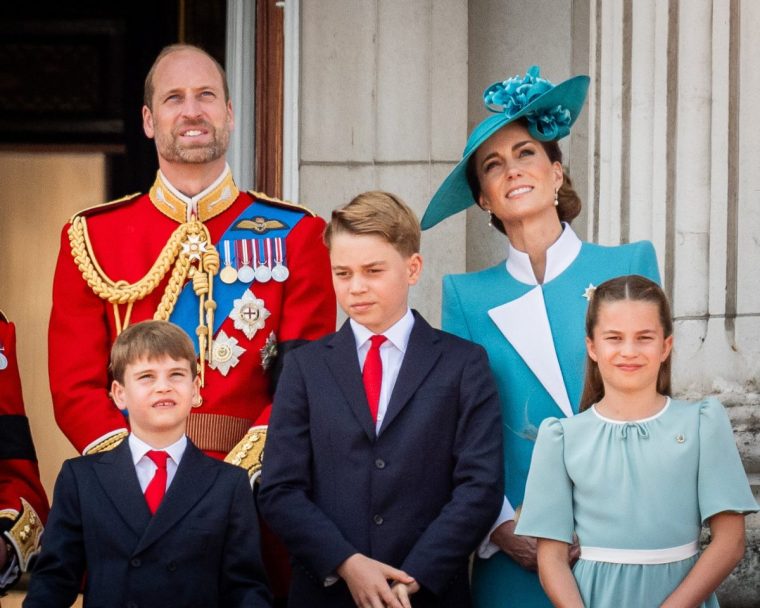 Prince George (centre) will turn 13 this summer, the entrance age of most English public schools (Photo: Aaron Chown/PA)
Everyone has heard the reasoning for abolishing the monarchy enough times, so I will spare you a republican screed. But if life on the throne is so difficult and the best thing the heir has going for him is that he is a normal-ish millennial, then is there not an argument for letting him be exactly that?
This book concludes with an account of William taking Prince George – who will turn 13 this summer, the entrance age of most English public schools – to The Passage, the homeless shelter he visited with his late mother Diana in 1993 and never forgot. George signed the guestbook on the same page they did.
Your next read
It is framed as a symbolic and emotional union of past and present, as a father gently introduces his son to the destiny that will one day be his. But I wanted to scream. Save your son from this. Free him from the existential weight, shield him from the exposure you have endured, let him be a carefree child and do not subject another generation to this outdated, painful, fractured charade.
For a real measure of William and Kate, the truth of their relationship, the extraordinary and traumatic journeys of their lives and what it will take to triumph at the unenviable charge bestowed upon them, look beyond the obsequious William and Catherine: The Intimate Inside Story. But I shan’t bother. If I never read another royal biography, it will be too soon.
‘William and Catherine: The Intimate Inside Story’ is published by Ebury Spotlight, £22