
Fantasy has remained a pillar of cinema since the era of silent film, predating the arrival of synchronized sound and color technology. In those early years, the genre served as a laboratory for technical innovation, allowing filmmaking pioneers to experiment with camera tricks and forced perspective to replicate the logic of dreams and folklore. Throughout the decades, the popularity of fantasy has fluctuated significantly, often alternating between being a niche interest reserved for cult audiences and a dominant blockbuster force capable of sustaining massive theatrical franchises. This flexibility allows the genre to navigate diverse settings, ranging from grimy medieval landscapes to vibrant celestial realms, while maintaining a consistent focus on the intersection of the mundane and the extraordinary.
The universal appeal of fantasy comes from its ability to externalize internal psychological struggles, transforming abstract concepts like greed or courage into tangible monsters and magical artifacts. While thousands of films have used these tropes, a select few stood apart by establishing the visual and narrative language that the genre continues to employ today. By refining the use of practical effects, world-building, and thematic depth, these gold-standard fantasy movies provided the blueprint for subsequent generations of filmmakers.
10) The Dark Crystal
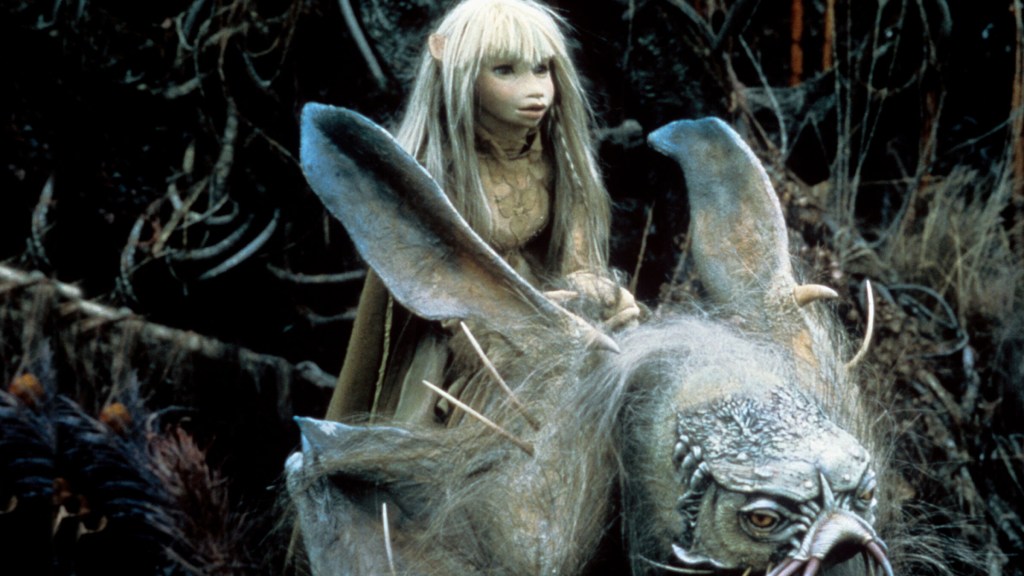 Image courtesy of Universal Pictures
Directed by Jim Henson and Frank Oz, The Dark Crystal remains a unique achievement in the fantasy genre due to its absolute commitment to a world devoid of human presence. The narrative follows Jen (Stephen Garlick), a Gelfling tasked with healing a fractured crystal to prevent the cruel Skeksis from maintaining eternal dominion. Unlike other productions that used human actors in heavy prosthetics, The Dark Crystal relied entirely on sophisticated puppetry and animatronics to populate its alien ecosystem, a decision that forced the designers to create every biological detail from scratch, resulting in a cohesive environment that feels genuinely extraterrestrial rather than a modified version of Earth. By prioritizing the physical weight and movement of the puppets, the production proved that high-level world-building could be achieved through purely practical means, establishing a template for “total” fantasy environments.
9) Excalibur
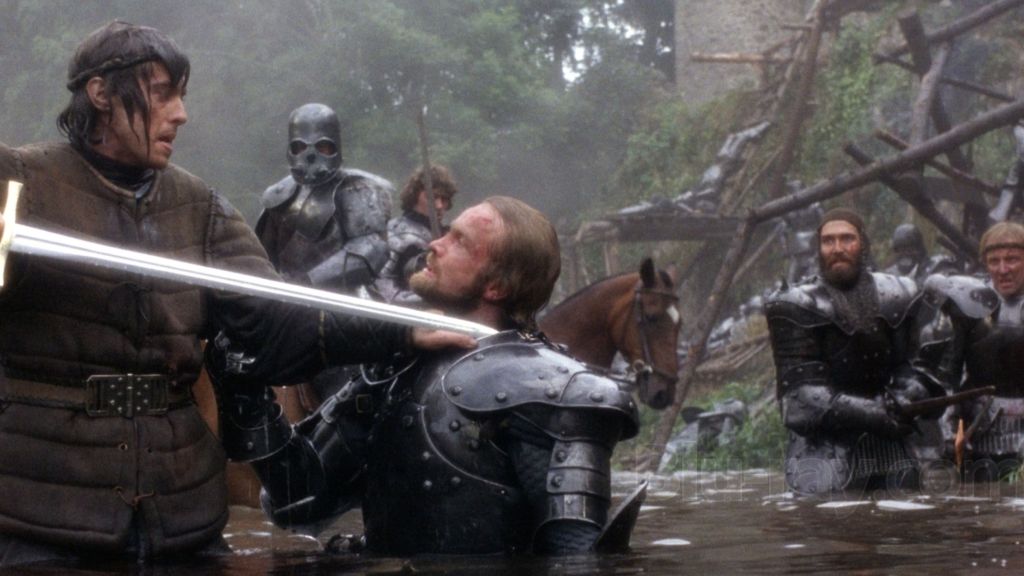 Image courtesy of Warner Bros. Pictures
John Boorman utilized the legend of King Arthur to create Excalibur, a film that defined the mythic aesthetic of the early 1980s. Following the rise and fall of King Arthur (Nigel Terry) and the machinations of Merlin (Nicol Williamson), the production opted for a stylized approach that prioritized mood and symbolism over historical accuracy. The film is also notable for its vibrant lighting and the chrome-like armor of the knights, which creates a dreamlike atmosphere where the land and the king are inextricably linked. This visual direction transformed the Arthurian cycle from a standard adventure story into a cosmic drama about the transition from a magical world to a mundane one. Furthermore, the use of Richard Wagner’s music provided a sense of grandeur that many subsequent fantasy films have attempted to replicate.
8) Jason and the Argonauts
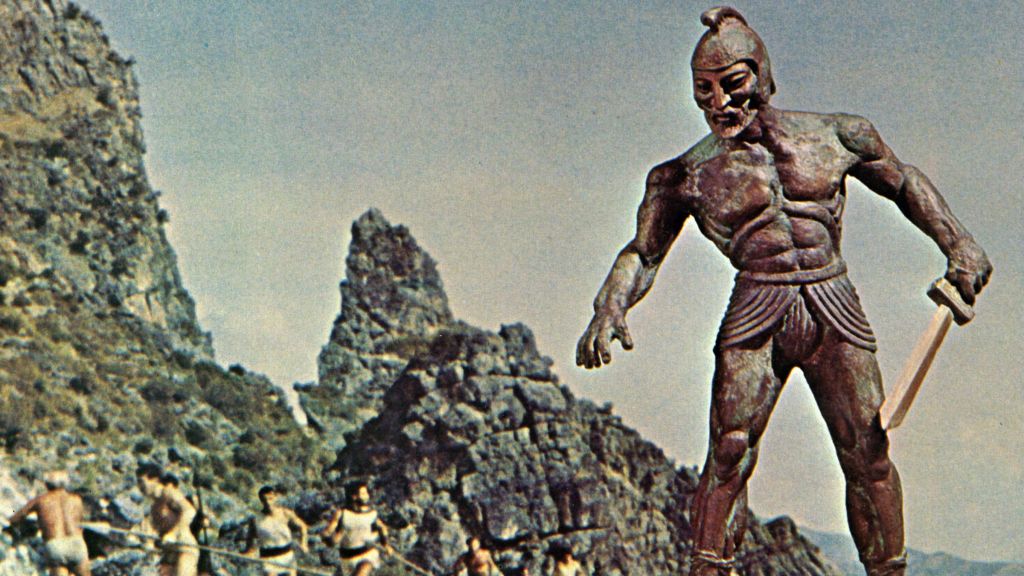 Image courtesy of Columbia Pictures
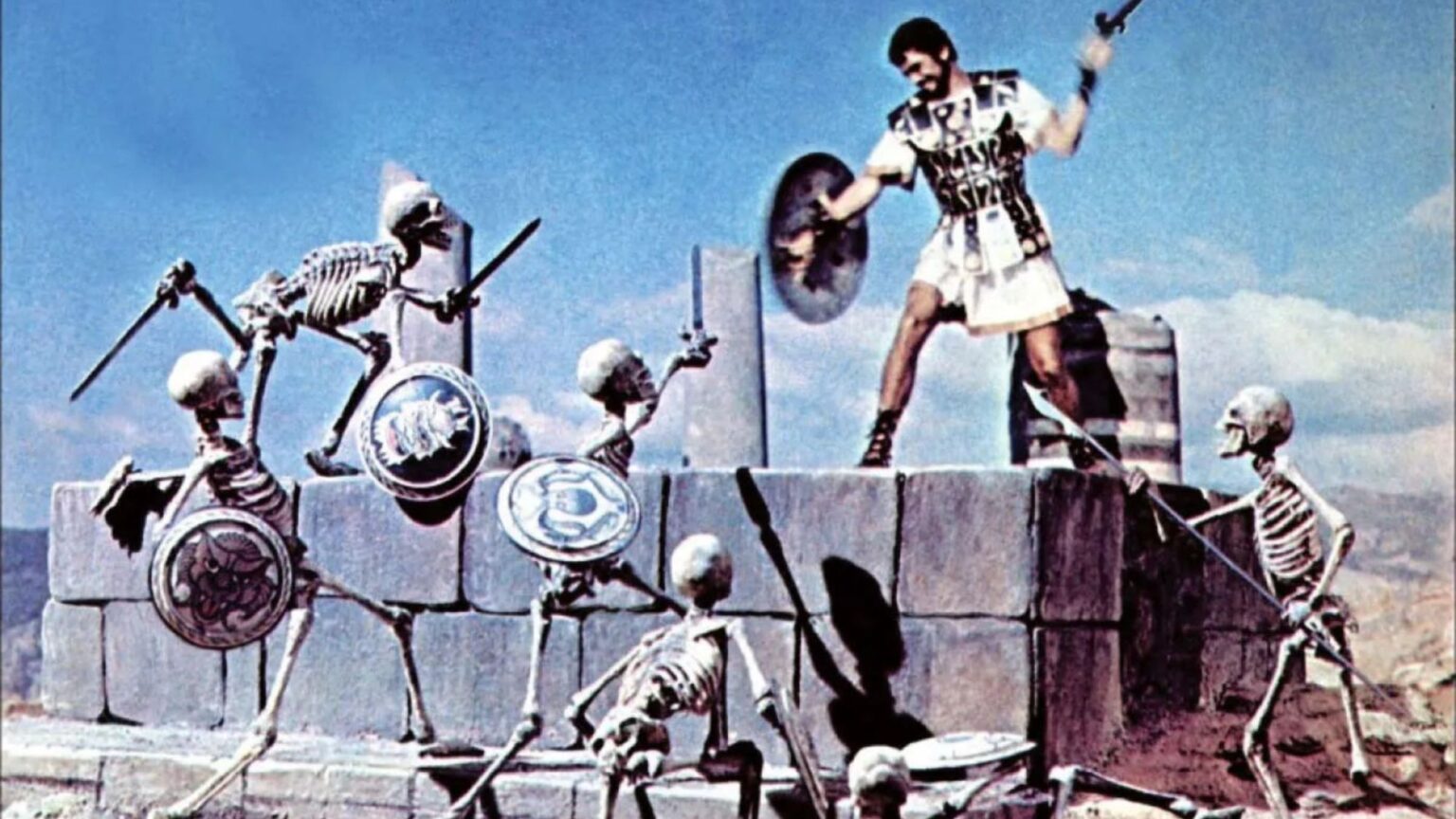
The 1963 production of Jason and the Argonauts stands as a definitive milestone in the history of fantasy cinema because of the revolutionary stop-motion animation provided by Ray Harryhausen. The plot follows the quest of Jason (Todd Armstrong) to retrieve the Golden Fleece, a journey that pits him against iconic mythological threats like the bronze giant Talos and a group of animated skeletons. Unlike earlier films that relied on stage tricks, Harryhausen’s “Dynamation” process allowed for a seamless integration of miniature models and live-action actors, providing the creatures with a tangible sense of menace and personality. The skeleton battle, in particular, remains one of the most studied sequences in film history, showcasing a level of technical precision that would influence the genre for decades.
7) Beauty and the Beast
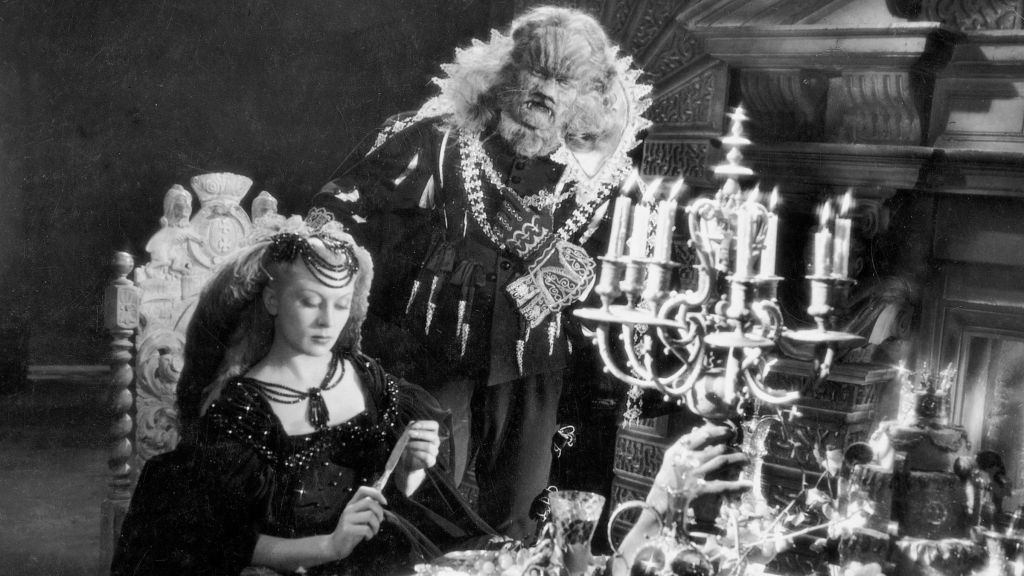 Image courtesy of DisCina
Jean Cocteau’s 1946 adaptation of Beauty and the Beast introduced a level of surrealist poetry to the fantasy genre that has rarely been matched. The story follows the selfless Belle (Josette Day) as she takes her father’s place as a prisoner of the Beast (Jean Marais) within a castle where the architecture itself appears to be alive. Cocteau utilized practical effects, such as human arms serving as candelabras and statues that follow the characters with their eyes, to create an atmosphere of living magic. This approach rejected the need for logical explanations, embracing the symbolic and emotional logic of a fairy tale instead. The production’s visual elegance established a high-art standard for the genre, proving that magic is most effective when it feels deeply personal.
6) Spirited Away
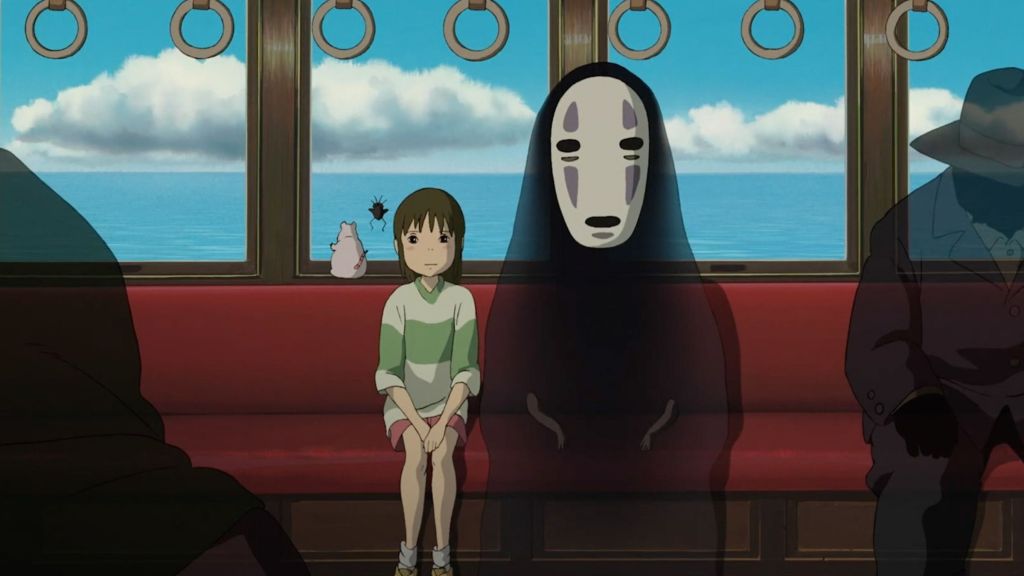 Image courtesy of Studio Ghibli
Hayao Miyazaki’s Spirited Away used animation to craft a fantasy narrative that achieved unprecedented global acclaim and prestige. The story centers on Chihiro (voiced by Rumi Hiiragi), a young girl who becomes trapped in a bathhouse catering to spirits and deities after her parents are transformed into pigs. This premise allowed Studio Ghibli to explore the depths of Japanese folklore and Shinto traditions, presenting a world where the supernatural is both wondrous and terrifyingly bureaucratic. The film’s success proved that hand-drawn animation could compete with live-action epics in terms of world-building and emotional resonance, eventually winning the Academy Award for Best Animated Feature. Furthermore, Miyazaki’s focus on environmental decay and the loss of cultural identity provided the story with a thematic weight that resonated with audiences of all ages.
5) Pan’s Labyrinth
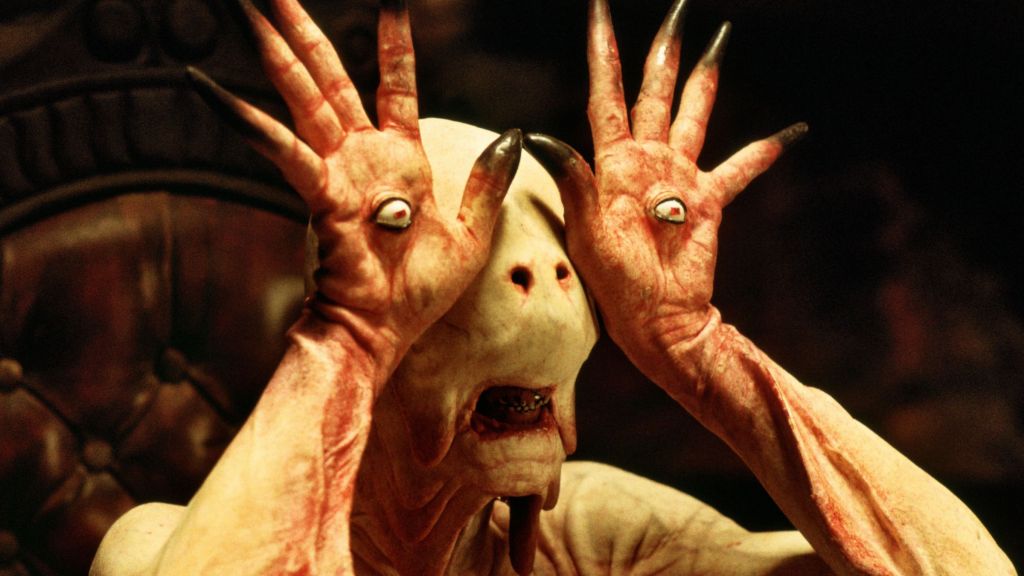 Image courtesy of Warner Bros. Pictures
Guillermo del Toro utilized the framework of a dark fairy tale to investigate the horrors of the Spanish Civil War in Pan’s Labyrinth. The narrative alternates between the bleak reality of Ofelia (Ivana Baquero) and her encounters with a mysterious Fauno (Doug Jones), who tasks her with three dangerous trials to reclaim her throne as a subterranean princess. Pan’s Labyrinth is celebrated for its masterful creature design, specifically the Pale Man (Doug Jones), which utilized practical makeup and prosthetics to create iconic images of terror. Unlike many fantasy films that serve as escapism, del Toro’s production uses magic as an allegory for resistance against fascist brutality, arguing that imagination is a necessary tool for survival in a violent world. This sophisticated blend of historical drama and high fantasy demonstrated that the genre could address adult themes with significant intellectual and emotional depth, integrating supernatural elements into a grounded human narrative without diminishing the impact of either.
4) The Thief of Bagdad
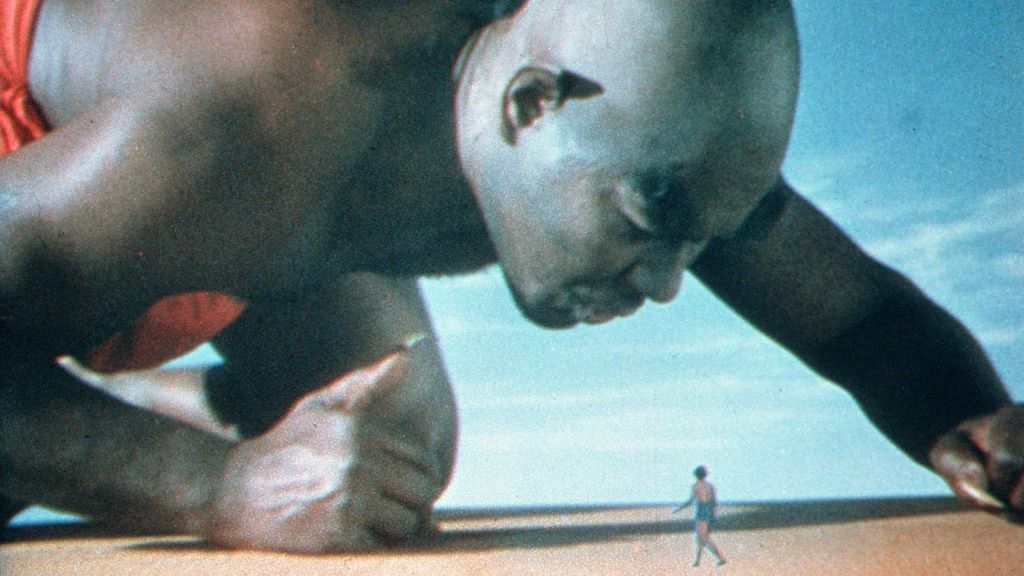 Image courtesy of United Artists
The 1924 and 1940 versions of The Thief of Bagdad are collectively responsible for establishing many of the visual archetypes associated with the “Arabian Nights” style of fantasy adventure. The original silent epic, starring Douglas Fairbanks, utilized massive sets and innovative wirework to depict flying carpets and underwater kingdoms, setting a precedent for cinematic scale. The 1940 remake, featuring Sabu as Abu, introduced vibrant Technicolor and advanced bluescreen technology to the genre, creating fantastical images like a giant genie and mechanical flying horses. These films moved the fantasy genre away from the stage-bound aesthetics of early cinema, embracing instead a sense of boundless movement and exotic wonder that would later influence franchises like Indiana Jones and Star Wars.
3) The Wizard of Oz
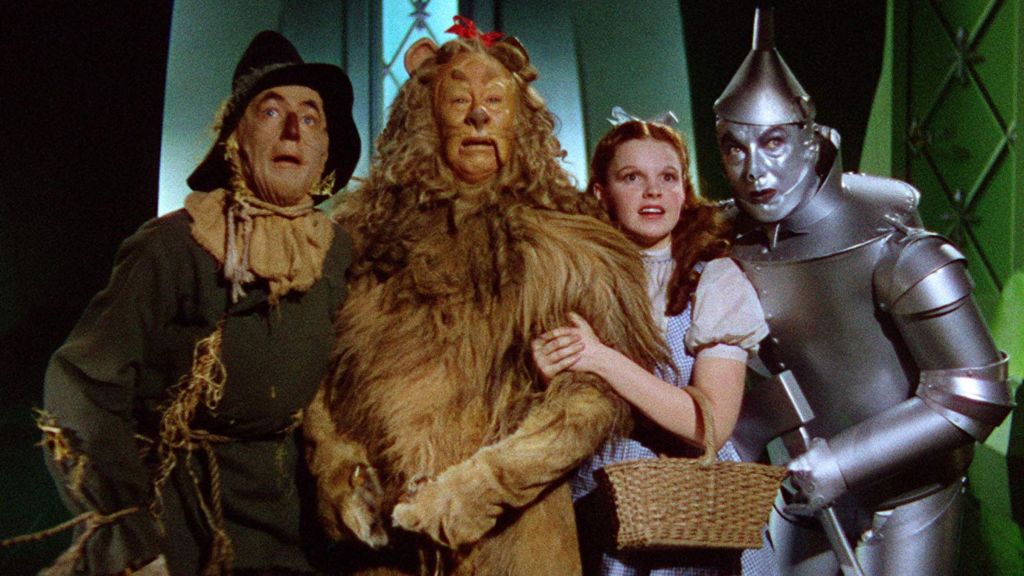 Image courtesy of MGM
Released in 1939, The Wizard of Oz remains one of the most influential fantasy films ever produced due to its innovative use of Technicolor to distinguish between reality and imagination. The transition of Dorothy Gale (Judy Garland) from the sepia-toned plains of Kansas to the vibrant, multicolored Land of Oz provided a visual shorthand for the transformative power of fantasy. Beyond its technical achievements, the film established a narrative template for portal fantasy, where a mundane protagonist is transported to a magical realm to undergo a moral and personal journey. The production’s commitment to elaborate set design and character makeup, specifically for figures like the Cowardly Lion (Bert Lahr), created a cohesive world that felt complete and lived-in. Furthermore, the film’s integration of music and storytelling ensured that its themes of home and self-discovery reached a massive audience.
2) A Trip to the Moon
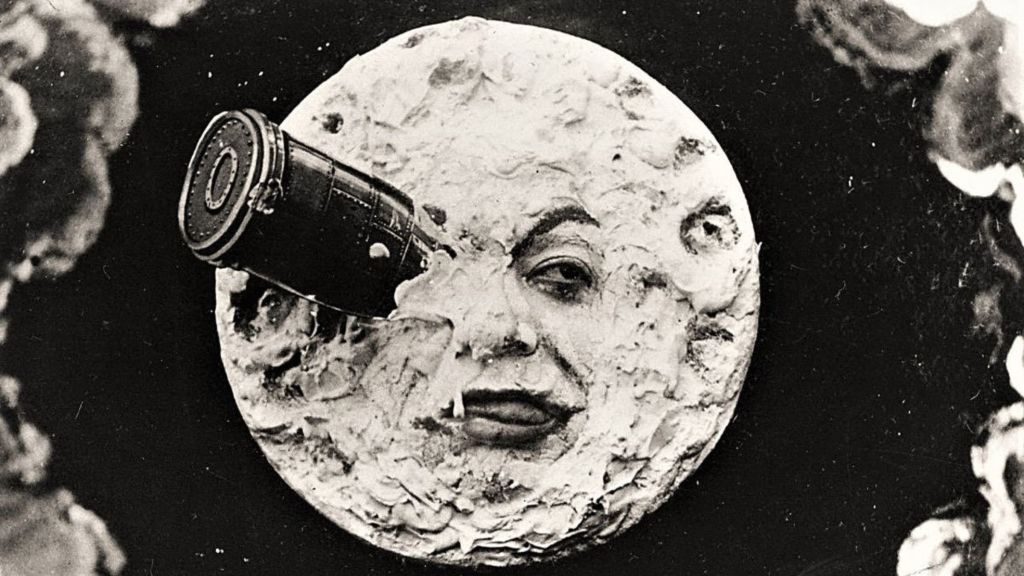 Image courtesy of Star Film
While its runtime is brief by modern standards, Georges Méliès’ A Trip to the Moon is the literal foundation upon which all fantasy and science fiction cinema is built. Released in 1902, the film chronicles the journey of Professor Barbenfouillis (Méliès) and his colleagues as they are shot from a cannon into the eye of the Moon. Méliès, a former magician, used his knowledge of stage illusions to invent a series of cinematic techniques, including the “stop trick” and multiple exposures, which allowed him to make characters disappear and monsters explode. These experiments proved that the camera could be used for more than just recording reality. The iconic image of the moon with a rocket in its eye remains one of the most recognizable frames in film history, symbolizing the birth of the visual effects industry as a whole. Without the pioneering work of Méliès, the technical language required to depict the fantastic would not exist.
1) The Lord of the Rings: The Fellowship of the Ring
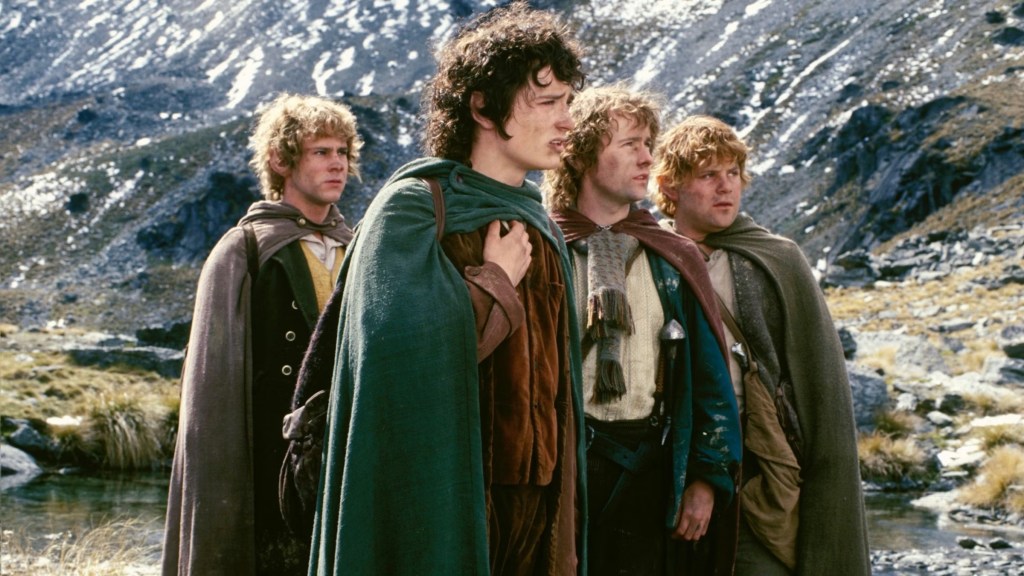 Image via New Line Cinema
Peter Jackson’s The Lord of the Rings: The Fellowship of the Ring redefined the scale of the modern fantasy blockbuster by treating J.R.R. Tolkien’s mythology with the gravity of a historical epic. The journey of Frodo Baggins (Elijah Wood) to destroy the One Ring required a revolutionary integration of massive practical sets and cutting-edge digital effects, most notably the creation of the first convincing motion-capture performance with Gollum (Andy Serkis). The production also proved that high fantasy could transition from a niche interest into a universal commercial juggernaut without sacrificing the philosophical depth or linguistic complexity of the source material. Plus, by filming the entire The Lord of the Rings trilogy simultaneously in New Zealand, the studio established a new industrial model for serialized storytelling that many subsequent franchises attempted to replicate. Consequently, The Lord of the Rings: The Fellowship of the Ring stands as the ultimate gold standard, effectively merging the wonder of traditional fantasy with the technological advancements of the twenty-first century.
Which of these foundational fantasy films do you think has had the greatest impact on the way we see magical worlds today? Leave a comment below and join the conversation now in the ComicBook Forum!