

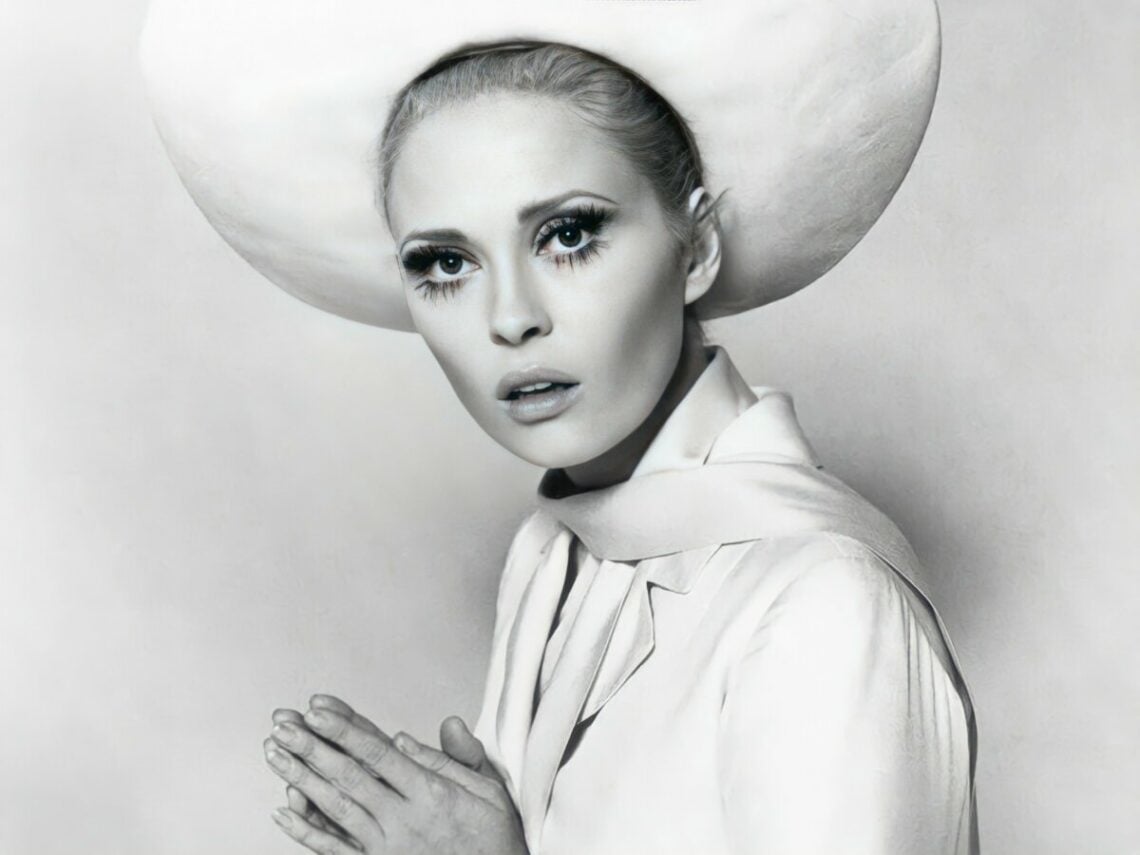
Credit: Granger Historical Picture Archive / Alamy Stock
Fri 27 February 2026 22:30, UK
Faye Dunaway is one of the most important actors in the history of modern cinema, who, alongside Warren Beatty, occupied the title role of the 1967 film Bonnie & Clyde.
This brash, violent love story kick-started the so-called ‘New Hollywood’ movement that revolutionised movies forever, which should have cemented her as one of the biggest names on the block, but things didn’t fall into place immediately.
In the late 1960s and early 1970s, Dunaway’s star began to wane as she struggled to transform the success of her earlier hits into any sort of momentum until another movie came along that changed everything once again. With a little persuasion from Jack Nicholson, Dunaway took the role of Evelyn Mulwray in Roman Polanski’s Chinatown, which put her back on the path to the big time, culminating in a ‘Best Actor’ victory at the Oscars for her performance in Network.
Things were finally looking up for Dunaway, until another movie came along, a very different, very cursed movie in the form of Mommie Dearest, a biopic/hit piece about legendary Hollywood actor Joan Crawford, based on a book written by her daughter, Christina. The film portrayed Crawford as a controlling monster who, while the vision of Hollywood royalty on screen, was vile to her family in real life.
The film had the potential to be an intense psychological drama with a compelling lead character, but instead became a laughing stock, such that shortly after its release, Mommie Dearest gained a reputation as one of the most unintentionally funny films of all time, with Dunaway’s performance coming under particularly strong scrutiny.
In place of a nuanced human being who had been corrupted by their lust for success, Crawford came out looking like a pantomime villain, with wild facial expressions and even wilder eyebrows, and one particular scene in which she loses her mind over a set of wire coat hangers was particularly emblematic of this insane approach.
Dunaway was furious that the film had been met so poorly, and just five years after she accepted her Academy Award, she now found herself a Hollywood pariah with more flops following over the years, including the utterly disastrous Supergirl movie from 1984. The screen icon grew incredibly bitter towards Mommie Dearest, refusing to speak about it in interviews and holding it single-handedly responsible for sending her career into a freefall, and it was only years later that she looked back on the movie with more mature eyes.
“I think it turned my career in a direction where people would irretrievably have the wrong impression of me,” she told People in 2016, “That’s an awful hard thing to beat… I should have known better, but sometimes you’re vulnerable, and you don’t realise what you’re getting into.”
Of course, Dunaway did find work after her 1980s slump, seeking refuge on television and the stage before becoming a staple of the independent film circuit in the early 2000s. She was initially offered Ellen Burstyn’s role in Requiem for a Dream, but turned it down, and though it didn’t kill her career outright, Mommie Dearest was a major fork in the road. Had things gone a little differently, who knows just how big a star Dunaway could have become.