
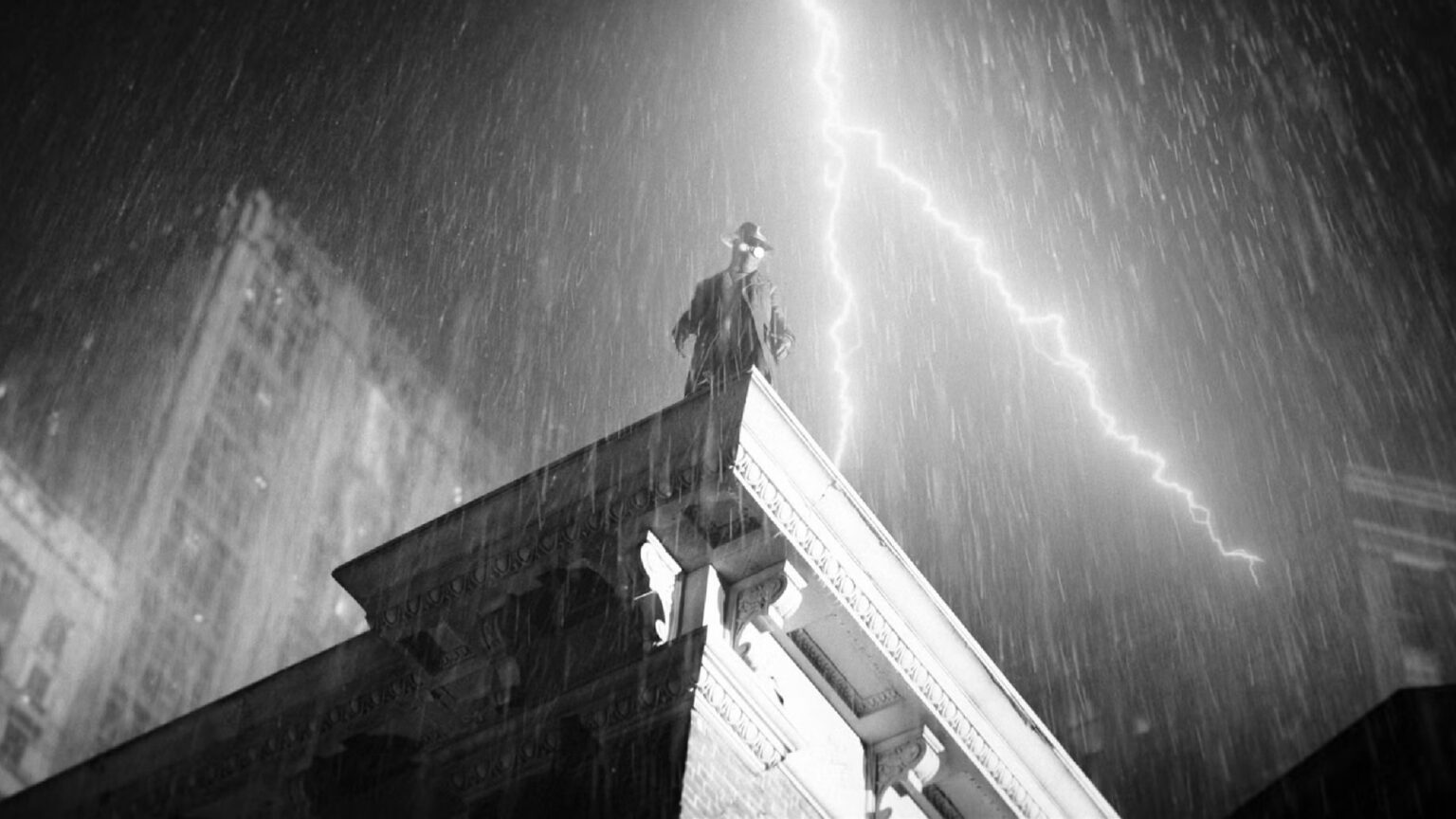
While Marvel Studios has used the Multiverse primarily as a vehicle for nostalgic cameos, Sony Pictures has established a more sustainable model by treating alternate dimensions as standalone settings. The Spider-Verse franchise leaned into the distinct visual languages and social structures of different realities, proving that the concept of a Multiverse is most effective when it is used to facilitate genre experimentation rather than just plot convenience. This strategy has already borne fruit with the development of Spider-Noir, a live-action spinoff series slated for a May 2026 release on MGM+ and Prime Video. By casting Nicolas Cage as a monochromatic investigator in a 1930s-inspired landscape, Sony is showing that alternate universes can support long-form prestige television that feels entirely distinct from the standard superhero formula.
Marvel Studios is currently testing similar waters through its expanded animation slate, which has increasingly prioritized non-canonical storytelling. The 2025 debut of Your Friendly Neighborhood Spider-Man and the R-rated carnage of Marvel Zombies signal a shift toward the Multiverse, where creative teams are free to reinvent established icons without the baggage of a decade of continuity. However, the success of these early experiments makes it more evident that the franchise has only scratched the surface of its potential. Several other legendary comic book settings possess the depth and stylistic identity required to anchor their own dedicated television series.
5) The Avengers 1,000,000 B.C.
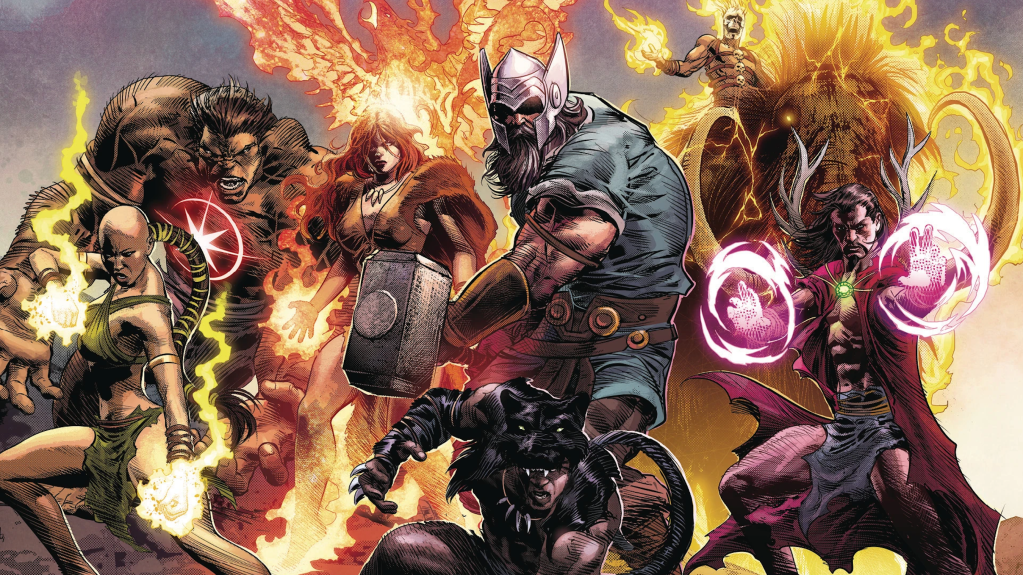 Image courtesy of Marvel Comics
Although technically set within the prehistoric history of the primary Earth-616 timeline, the 1 Million BC Avengers offer a setting so radically different from the modern world that it functions as a distinct reality. First introduced by writer Jason Aaron, this prehistoric assembly features primitive versions of the “Legacy” mantles, including a young Odin wielding Mjolnir and the first human to host the Phoenix Force. A television series could utilize a visual style reminiscent of high-budget survival epics to explore how Agamotto became the first Sorcerer Supreme or how a mammoth-riding Ghost Rider made a deal with Mephisto. This era also provides an opportunity to ground the cosmic elements of the franchise in a world of raw nature and ancient tribes, creating a prehistoric epic that emphasizes the timeless nature of the heroic archetype.
4) Marvel 1602
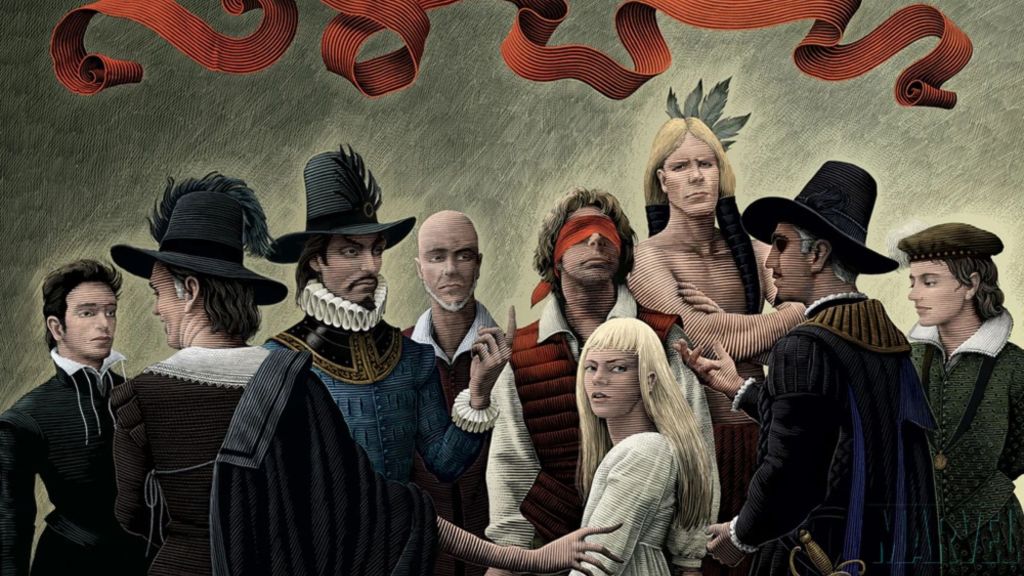 Image Courtesy of Marvel Comics
Neil Gaiman’s Marvel 1602 remains one of the most creatively fertile alternate settings in comic book history, reimagining the Marvel roster within the political and religious tensions of the Elizabethan era. The story posits a world where superheroes began appearing four hundred years too early, leading to a reality where Sir Nicholas Fury serves as the Queen’s spymaster, and Peter Parquagh is a simple apprentice. While the What If…? animated series briefly touched upon this world in its second season, a dedicated live-action show could fully realize the historical aesthetic that makes the source material so interesting. By adopting the pacing and production values of a prestige period drama, a Marvel 1602 series could offer a cerebral alternative to the high-octane action of the main MCU, focusing on how these icons would navigate the rigid class structures of the British Empire.
3) The Amalgam Universe
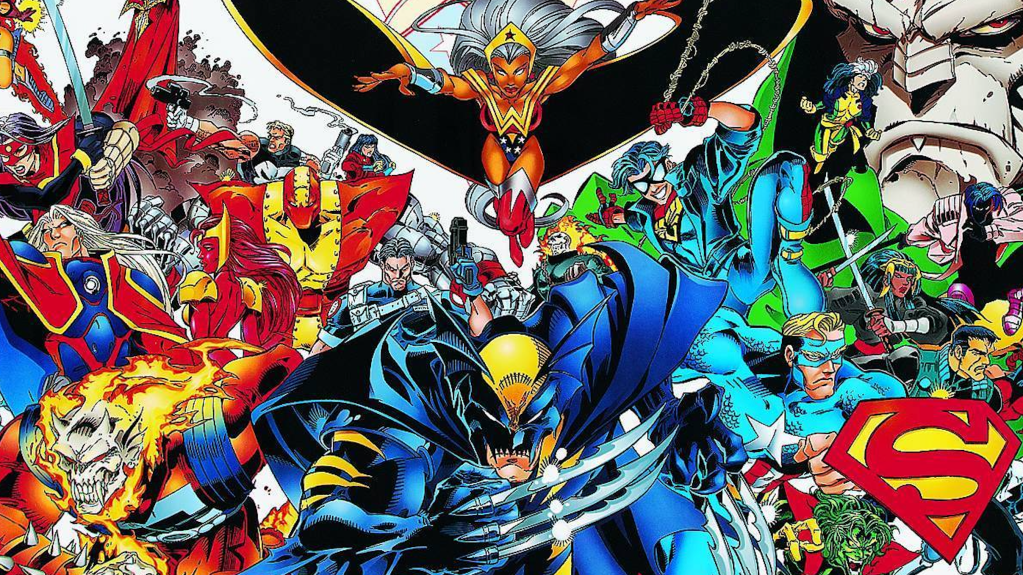 Image Courtesy of DC and Marvel Comics
The Amalgam Universe represents the absolute pinnacle of crossover potential, featuring fused characters like Dark Claw—a blend of Batman and Wolverine—and Super-Soldier, who merges the histories of Superman and Captain America. While such a project was previously considered a legal impossibility, the current landscape of the industry makes it a surprisingly viable candidate for a limited series. DC Studios co-CEO James Gunn has confirmed that high-level discussions regarding a Marvel and DC collaboration have occurred, noting that his positive relationship with Marvel Studios leadership makes a future joint venture more likely than ever before. An Amalgam television series would allow for a unique visual palette that combines the distinct house styles of both publishers, providing a celebratory event that would undoubtedly galvanize the global fan community and serve as a landmark moment in television history.
2) Age of Apocalypse
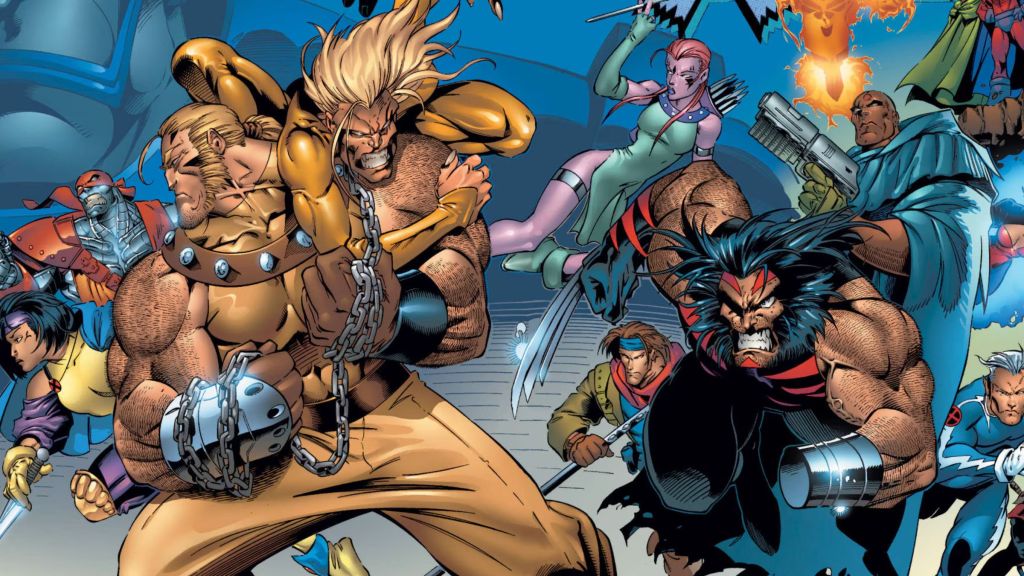 Image courtesy of Marvel Comics
Age of Apocalypse offers a bleak reimagining of the Marvel universe that is perfectly suited for a high-stakes serialized drama. The timeline is triggered by the accidental death of Charles Xavier, leading to a reality where the ancient mutant Apocalypse conquers North America before the X-Men can ever be formed. In this world, Magneto leads a ragtag resistance movement, and many established heroes are reimagined as hardened soldiers or opportunistic villains. The setting’s appeal lies in its total subversion of the status quo, where characters like Cyclops and Beast are stripped of their moral clarity in favor of a desperate war for the future of the species. This universe provides the narrative space to explore the consequences of a world without hope, focusing on the tactical maneuvers of a desperate revolution.
1) Old Man Logan’s Universe
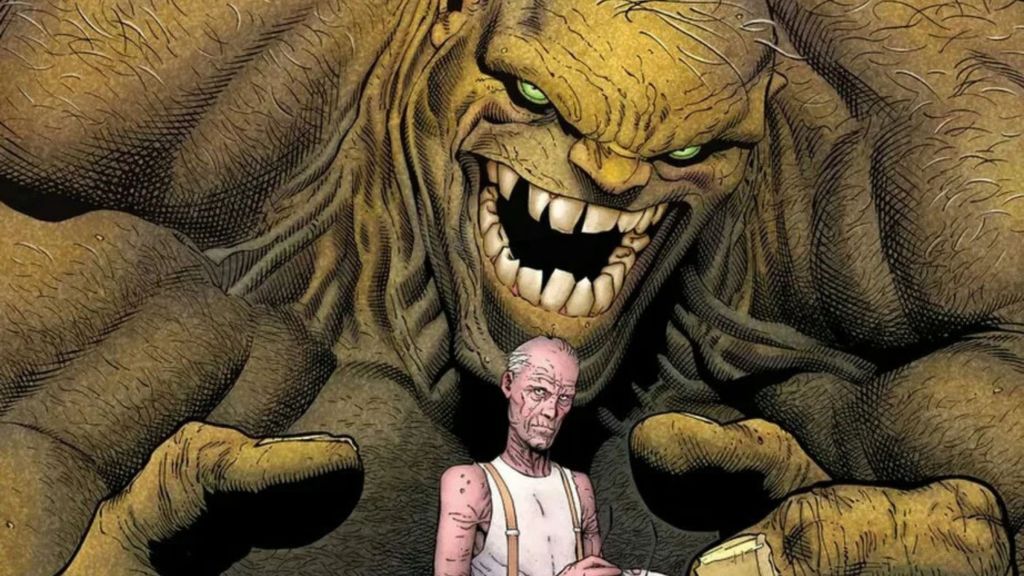 Image Courtesy of Marvel Comics
While the 2017 film Logan utilized elements of the Old Man Logan timeline to provide a definitive end for Wolverine (Hugh Jackman), the actual “Wastelands” setting from the comics remains largely unexplored on screen. This universe was born from a successful villain uprising that resulted in the total collapse of the United States, which has been carved into territories governed by figures like the Abomination and the Red Skull. A television series set in this post-apocalyptic frontier could function as a superhero western, following a pacifist Logan as he traverses a lawless landscape filled with the remains of a fallen civilization. The world-building potential is immense, from the “Pym Cross” landmark to the terrifying cult of the Hulk Gang. By focusing on the environmental storytelling and the history of how each hero fell, the show could examine themes of aging, regret, and the persistence of the human spirit in a world that has moved on.
Which alternate Marvel reality do you believe possesses the most potential for a TV show? Leave a comment below and join the conversation now in the ComicBook Forum!