
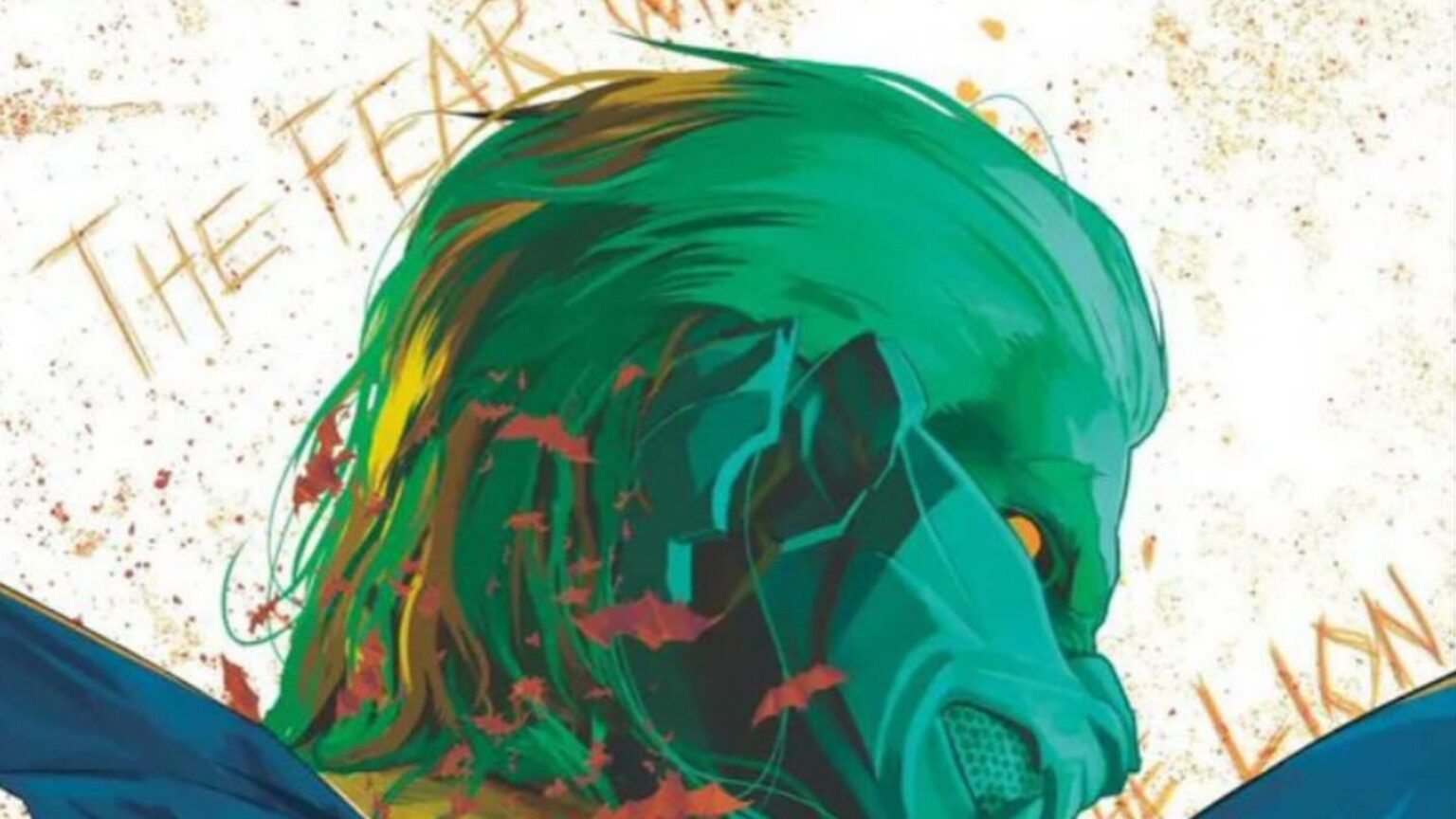
Supervillains are essential to superhero comics. Obviously, every story needs an antagonist, and villains provide the perfect enemy for superheroes to test their might, wits, and spirits against. Over time, the most iconic villains have risen to a prominence that even many heroes couldn’t hope for. Lex Luthor, the Joker, Bane, and countless others have proven that they can carry stories all their own, not just stand in the way of their heroes. The classic villains are classic for a reason, but even though we love them to death, the heroes can’t battle the same few souls on repeat forever. DC needs new villains to push the envelope and tell unique stories, but in recent years, these new characters have all fallen to a single mistake that’s killed them.
Modern supervillains are almost always written with their introductory story in mind. Either as the overarching villain for an entire run or even a single arc, these new characters are intimately tied to the story that acts as their debut and origin. There’s nothing wrong with this storytelling, and it often makes for incredibly emotional connections to the story, but it fails at creating long-lasting villains. If a villain’s entire character is wrapped up at the end of their story, using them in the future becomes really, really hard. Thankfully, Detective Comics #1106 ended the story introducing Batman’s newest villain, the Lion, and he bucks this problem entirely.
The Courageous King Born of Fear
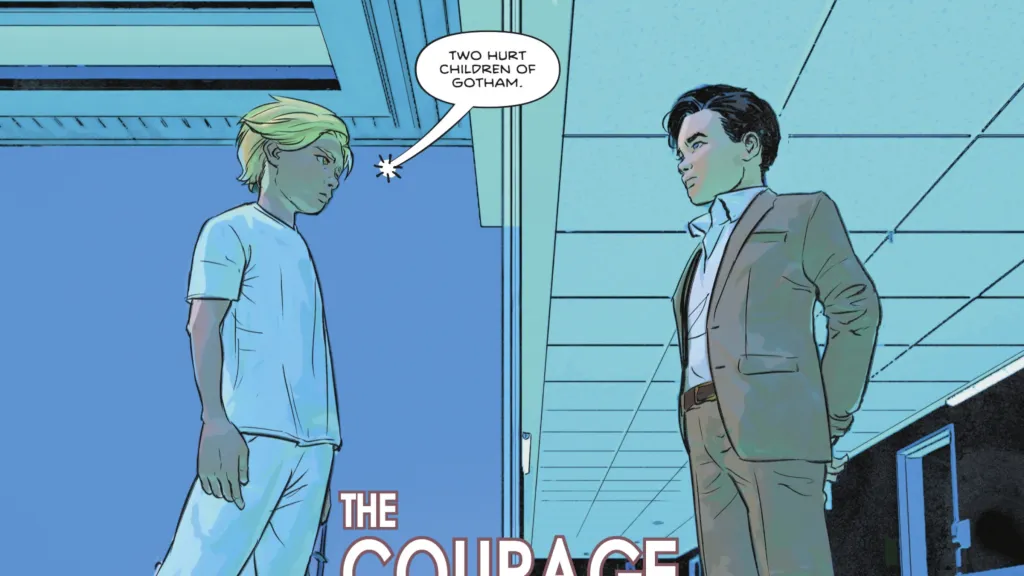 Image Courtesy of DC Comics
“The Courage That Kills” detailed Batman’s first battle against the Lion. The story slowly revealed the Lion’s origin as Leo Kingsford, whose criminal father was taken down by an early-career Batman. The event deeply traumatized Leo, instilling a fear of everything that consumed him. Blaming himself, Bruce visited the young man and inspired him to keep reaching for his dreams. Leo went on to train under Wildcat, becoming one of his best students, but he never overcame his fear. Eventually, he decided that fear was a disease that needed to be cured. He developed a gas that would eliminate fear from people’s minds and flooded Gotham with it. Batman was one of the first infected.
Without fear, Batman lost his survival instinct and deductive reasoning skills. He was reckless and couldn’t fight properly, which gave the Lion the upper hand the whole way through. In their final confrontation, Batman used Scarecrow’s fear toxin to force his body to be afraid. Batman was terrified, but he was more than used to overcoming fear, and decimated the Lion. In the end, Mister Terrific and more of the world’s smartest heroes distributed a cure for the Lion’s drug, and the criminal was locked in Arkham. The Lion was a great new villain with a deep connection to Batman and Bruce Wayne, but the best part about him is how he didn’t learn they are one and the same.
A Villain With the Promise of Future Stories
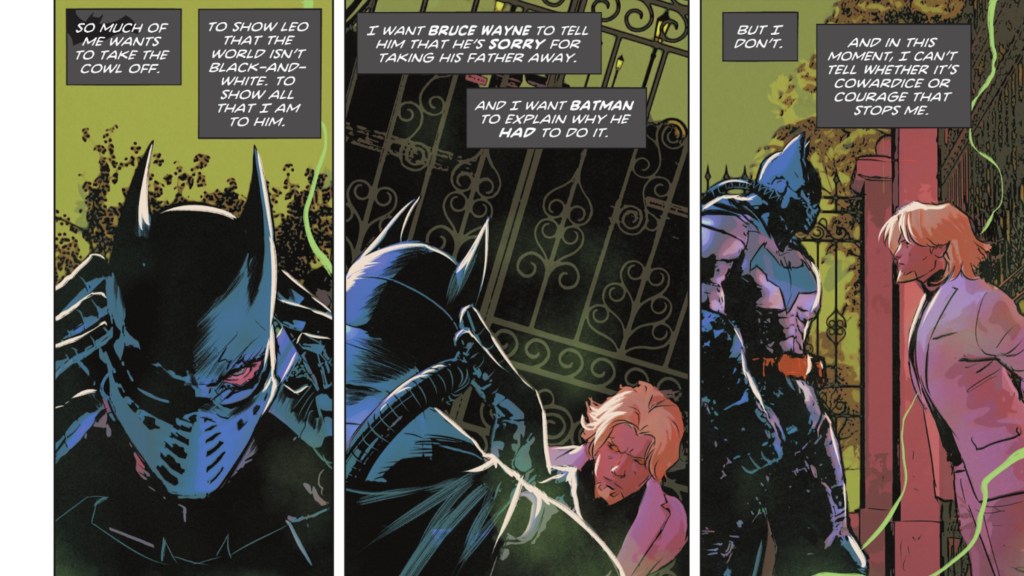 Image Courtesy of DC Comics
A new villain with connections to one or both of the hero’s identities is a classic setup. It instantly lays the groundwork for drama and moral dilemmas, but that becomes a problem when the villain is only written for one story. Let’s use the Lion’s connection to Batman as an example. During their numerous fights, the Lion learning Bruce’s identity could have become a large, emotional moment that would have been sure to hit home. It might have even elevated the story to even greater heights. However, if the Lion learned Batman’s identity and still wanted to oppose him, there would have to be a reason for him to not reveal it to the world.
Obviously, Batman’s identity can’t go public, so either the Lion has to agree to keep it a secret, which could easily seem very arbitrary, or he would need to die. The same thing happened with Heartless, a villain introduced during Tom Taylor’s run on Nightwing, who learned the hero’s identity and would be dead before the run was over. If “The Courage that Kills” had only been focused on itself, it might have had this reveal, but it didn’t. It chose to keep Batman’s identity a secret, which means that the Lion has no reason not to continue being a villain exactly as he was.
Comic book villains work best when they are eternal. The Joker, Mister Freeze, and Ra’s al Ghul all have goals that can slot into stories for decades to come. They are written explicitly to star in as many stories as possible, and those repeated appearances have let them become as popular as they are. Villains whose goals or arcs are wrapped up in one story make it difficult to write them as normal villains again after, effectively killing their character. The Lion is the best new villain to throw off that trend in years, and I am so, so excited to see more of him in the future.
Detective Comics #1106 is on sale now!
What do you think about Batman’s newest villain? Let us know in the comments or share your thoughts on the ComicBook Forum!