

The latest headlines from our reporters across the US sent straight to your inbox each weekdayYour briefing on the latest headlines from across the USYour briefing on the latest headlines from across the US
The photographer behind one of the most iconic images of the Vietnam War is suing Netflix and the makers of a documentary that claims he did not take the photo.
Photojournalist Nick Ut has long been credited with taking a Pulitzer Prize-winning photo of a naked young girl fleeing a napalm attack, titled “The Terror of War.”
Ut said in court documents filed in France last week that the Netflix film, The Stringer, had damaged his reputation after it claimed that freelance photographer Nguyen Thanh Nghe was actually behind the well-known image.
“These accusations strike at the very core of who I am,” Ut said in a statement. “ My entire career has been built on telling the truth, often at great personal risk.”
Ut was 21 and employed by the Associated Press when he took the award-winning photograph. He is seeking $116,000 in damages and $23,000 in legal costs, according to the New York Times.
open image in gallery
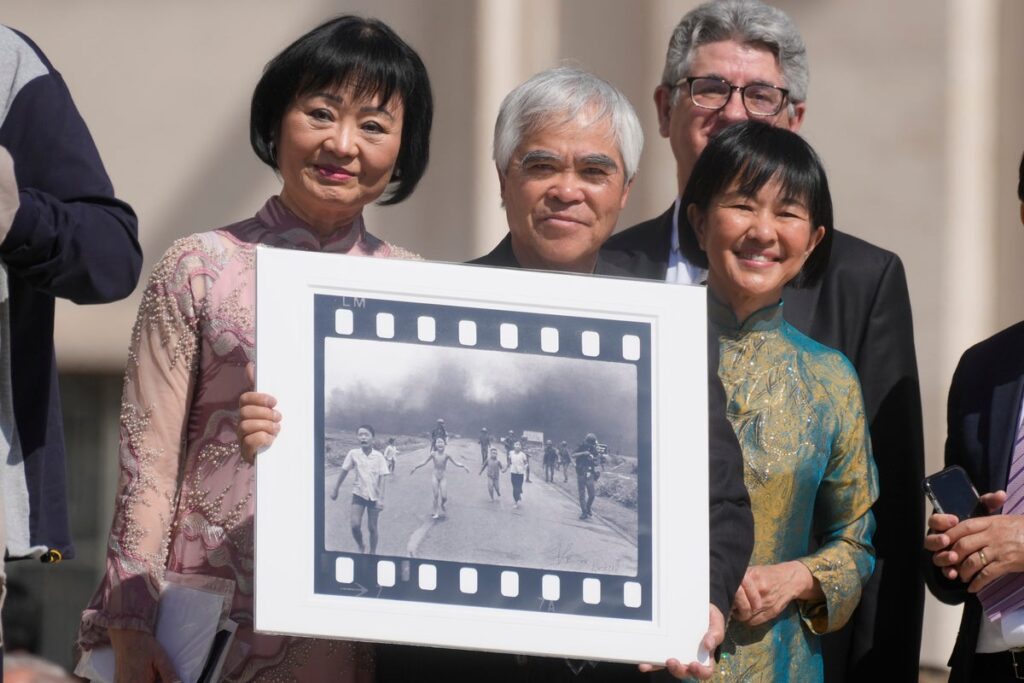
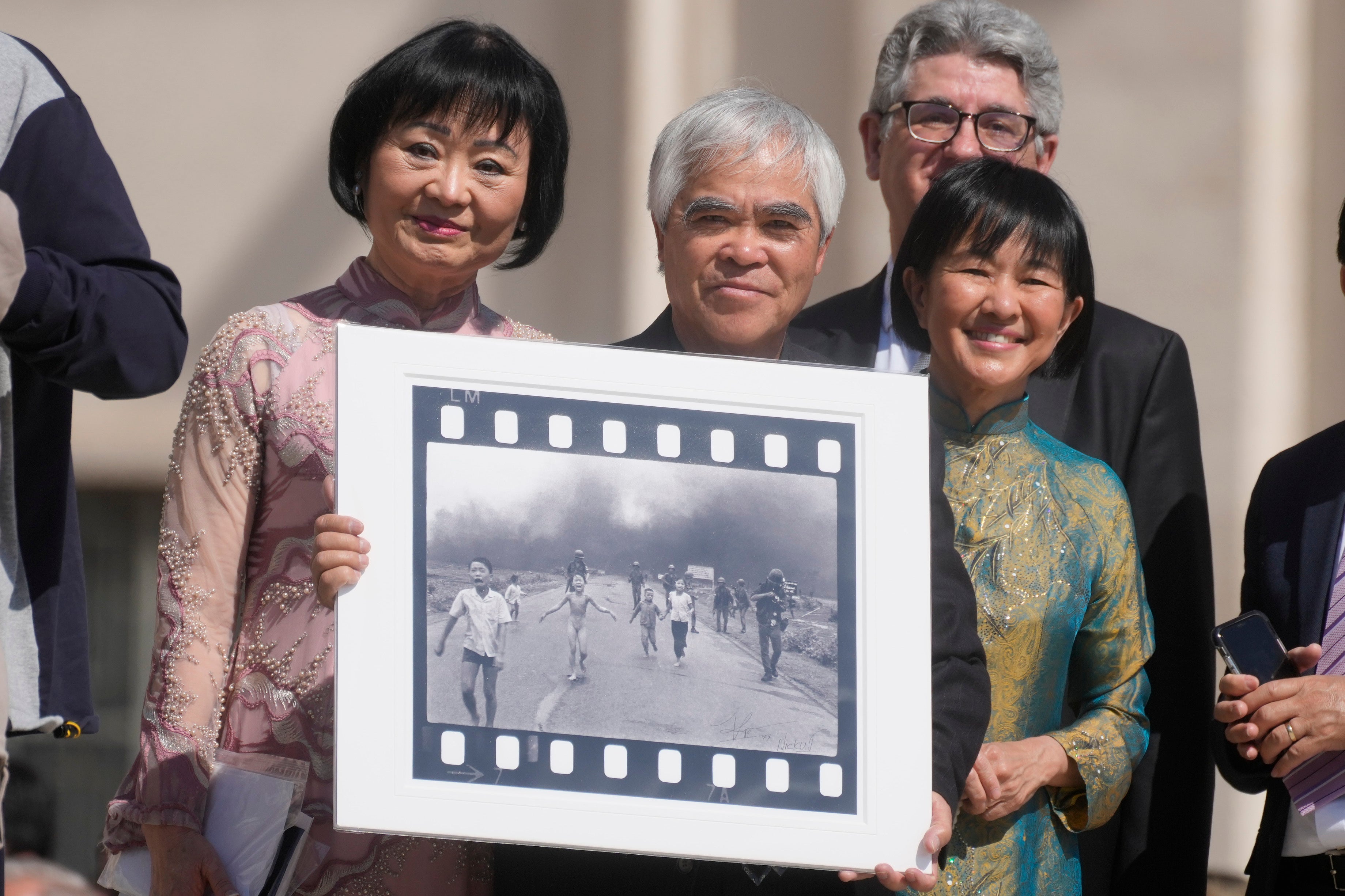
The long-credited photographer of an iconic Vietnam War photograph is suing Netflix and the makers of a documentary that claims a different photographer took the award-winning shot (Copyright 2022 The Associated Press. All rights reserved.)
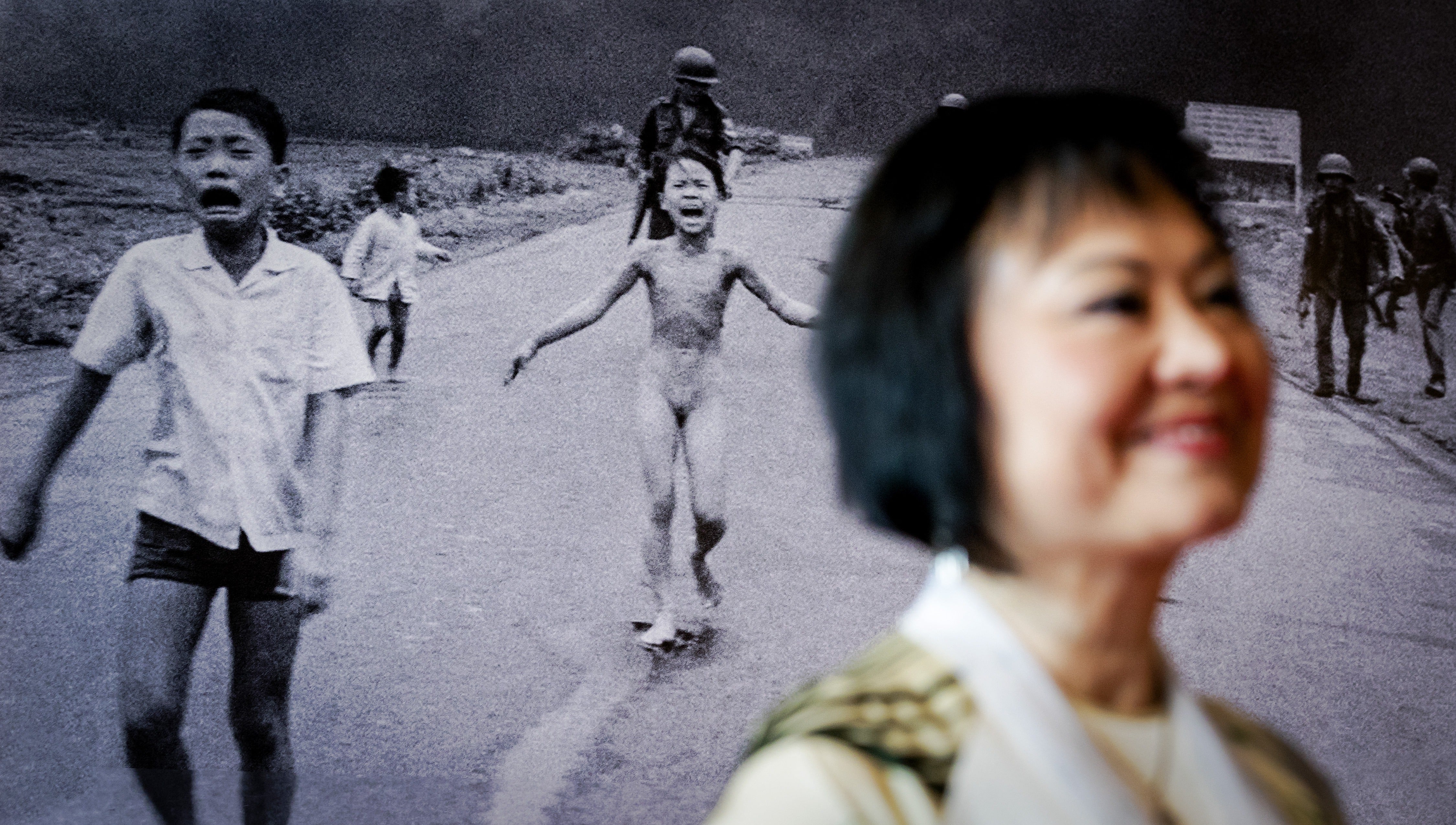
The iconic image of nine-year-old Kim Phuc, which was taken on 8 June 1972, shows her running down a street in Trang Bang, South Vietnam, as she flees an American napalm attack.
Debate over the photograph’s origin began in January 2025, when The Stringer premiered at the Sundance Film Festival. While Ut had long been credited as the photographer, The Stringer suggested that the photo’s actual creator was Nghe, a Vietnamese freelance photographer.
Nghe claims he was working as a driver for an NBC news crew when he visited the town of Trang Bang and took the image. In the film, he said he sold the image to AP for $20 and was given a print of the photo in exchange. Nghe said the memento was later destroyed by his wife.
The film, led by Gary Knight, a journalist and founder of the VII Foundation, which supports photojournalism, investigates these claims and later concludes that Ut did not take the photo — a claim both AP and Ut deny.
Lawyers for Ut asked Netflix last fall not to distribute the film, according to the Times. The lawsuit claimed the film’s accusations “go far beyond the acceptable scope of journalistic investigation” and suggest “fraudulent and disloyal behavior” by Ut.
James Hornstein, a lawyer for Ut, said in a statement that his client brought the action “to defend his reputation, and not for financial gain,” adding that Ut plans to donate any award for damages to charity.
open image in gallery
Vietnam war survivor Kim Phuc Phan Thi, also known as “Napalm Girl”, stands in front of her iconic 1972 Vietnam War photograph (ANP/AFP via Getty Images)
The World Press Photo Foundation conducted its own investigation and said in May that two other photojournalists “may have been better positioned to take the photograph than Nick Ut. Ut’s credit for the image was suspended, but another photographer was not credited for the shot.
The AP also ran its own investigation, but said it would continue to credit Ut for the photograph.
“We left nothing uncovered that we’re aware of and we’ve done it with a great deal of respect to everybody involved,” said Derl McCrudden, an AP vice president who heads global news production.
“It makes no difference to us if we changed the credit, but it has to be based on facts and evidence. And there is no definitive evidence proving that Nick Ut did not take this picture.”
According to the documentary, the photograph’s main subject, Kim Phuc Phan Thi, has no memory of the moment that was captured.
“She states that eyewitnesses, including her uncle, told her that it was Nick Ut who took the photo, and took her to the hospital,” title cards at the end of the documentary read. “She still believes that.”