
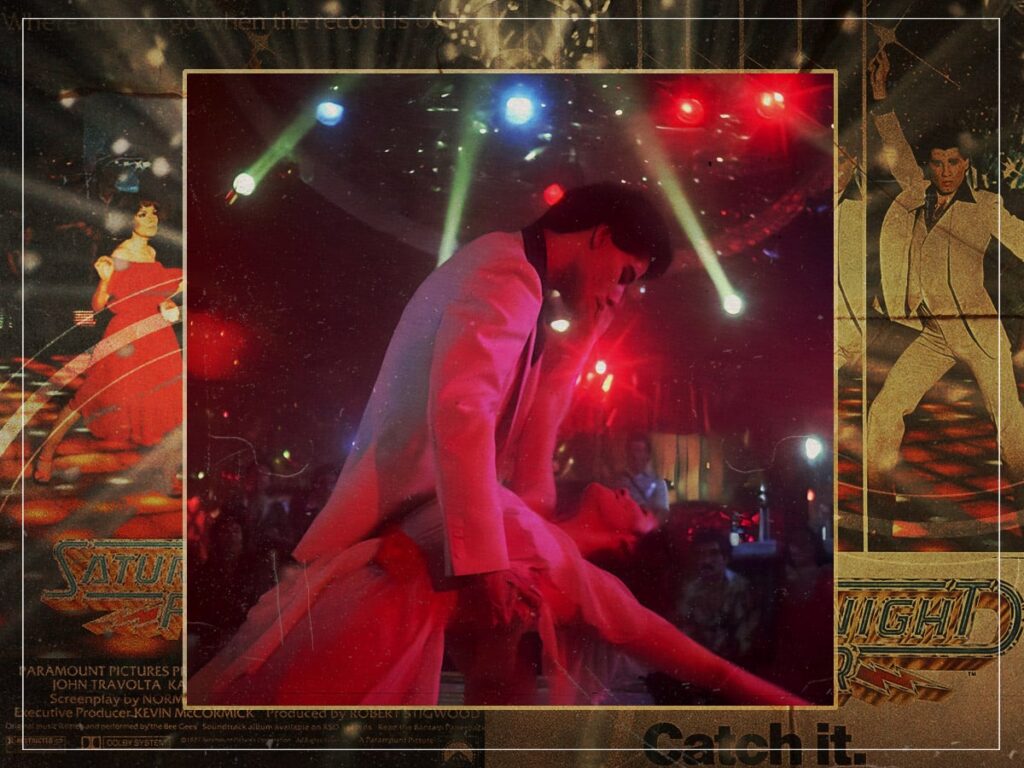
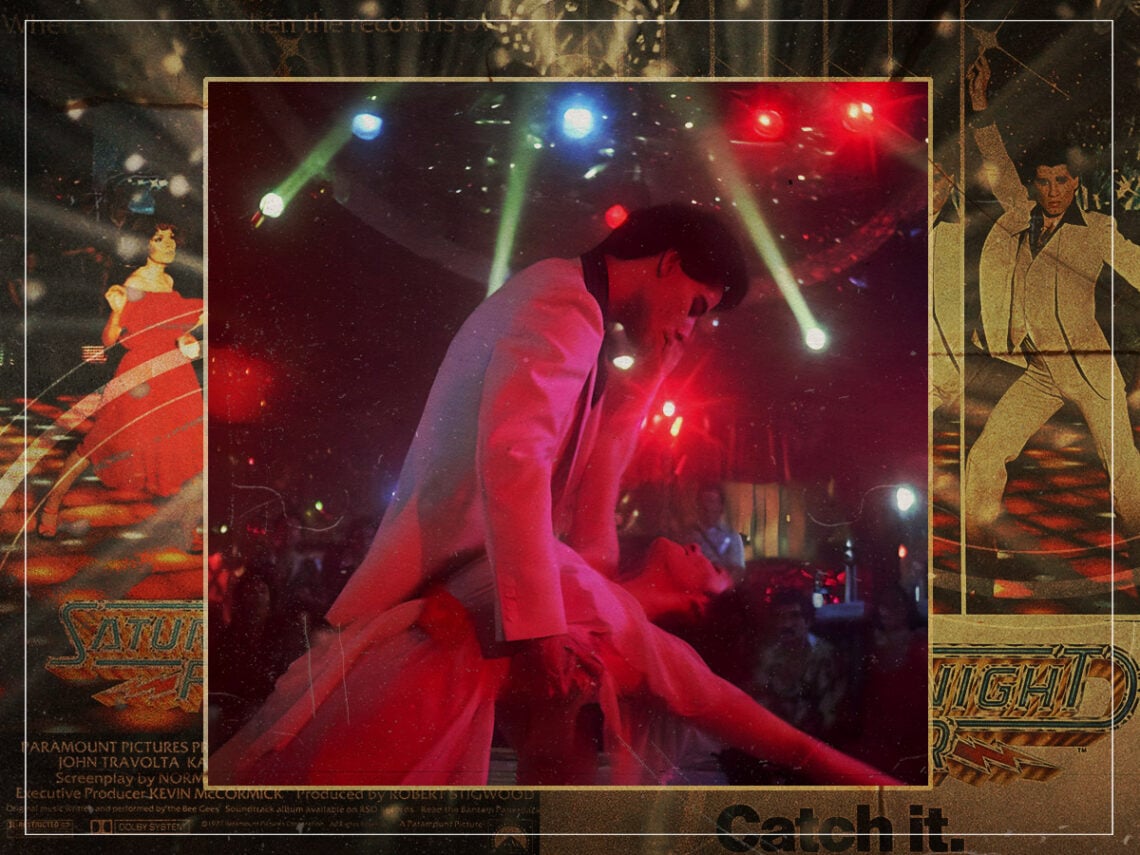
(Credits: Far Out / Paramount Pictures)
Thu 5 March 2026 6:00, UK
One of the many things that gives the 1977 disco classic Saturday Night Fever a frisson of gritty realism is the fact that it is ‘based on a true story’.
John Travolta’s Tony Manero is an expy for Vincent, a tough-nut Italian-American mechanic who cut loose by cutting rugs all over Brooklyn’s thriving disco scene, as written about in Nik Conn’s riveting New York Magazine article ‘The Tribal Rites of the New Saturday Night’. This article went deep on the roots of the disco scene and helped chart its phenomenal rise out of the working-class Italian immigrant community, who had shipped Italo-disco records by the likes of Giorgio Moroder from home and began spinning them in their local nightclubs.
It’s a compelling story, one that speaks to Cohn’s own fascination with the movement and the long time he’d spent in New York City soaking up the local culture, which you can see onscreen too. The film avoids being a camp disco flick by virtue of how genuine it is. It’s a realistic and, at times, genuinely bleak look at life in working-class Brooklyn in the late 1970s, and how even the places you go to forget your troubles get twisted and ruined by the fact that those troubles don’t die easily.
Now, those of you who are disco connoisseurs might be furrowing your brows right now; after all, you know that there are a few holes in this story, such as how Italo disco came mainly after the disco explosion in the late 1970s and the genre came mainly from France, and that it had been steadily growing in popularity throughout the 1960s, especially in NYC and wasn’t a phenomenon that started in the 1970s. Most of all, one glaring hole in Cohn’s story is the idea of disco originating anywhere without any Black, Latino and gay people around, which is completely inane.
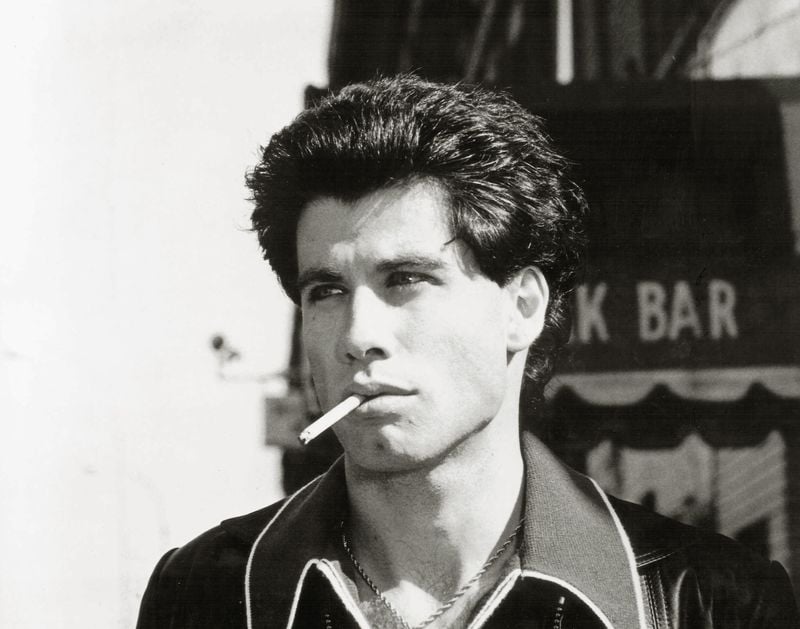 Credit: AlamySo, how much of this disco origin story was true?
Of course, none of this stopped Saturday Night Fever from being a phenomenon, one that made era-defining stars out of both the Bee Gees and John Travolta, yet the fact remained that whatever story Nik Cohn concocted that inspired the movie needed a more thorough look.
If you wanted to be charitable, then maybe Cohn had found a snapshot of the disco scene that no one else had found, in a quite spectacular piece of investigative journalism, but otherwise, he was mistaken and had been misled by his subjects, and if you wanted to be outright cynical, he’d made the whole thing up.
As is so often the case, the cynics were completely bang on the money. It took him nearly 20 years, but Cohn himself revealed in an article he wrote in 1996 that ‘The Tribal Rites of the New Saturday Night’ had been pulled entirely out of his arse. Based as it was around one trip to the 2001 Odyssey in Bay Ridge, Brooklyn, where he’d turned up to the club to find a fight had broken out outside. One of its participants then threw up on his trouser leg, and Cohn immediately went home, putting an end to all his disco experience, and it was this that he took into writing the article that defined the entire culture, at least in the mainstream.
Cohn had barely lived in New York at all when writing the article, with most of it based on experiences from his upbringing in Derry, and Vincent himself based on “a Shepherd’s Bush mod whom I’d known in the ’60s, a one-time king of Goldhawk Road”. He was convinced that the story wouldn’t make it past his editors due to its clearly fictional content, but it did and what’s more, defined disco culture for decades.
So much so that, reportedly, when Barry Gibb first met Cohn, the first thing the Bee Gees genius said to the journalist was “It’s all your bloody fault, isn’t it?” Truer words, Baz, truer words.