
The Duchess of Sussex marked International Women’s Day on Sunday with a new photo featuring her daughter, Princess Lilibet, and revealed the four-year-old’s sweet nickname for her father.
“For the woman, she will one day be…Happy International Women’s Day,” Meghan Markle, 44, captioned the photo of herself and Lilibet on the beach in California, crediting the photo to “Papa Sussex”.
Princess Lilibet’s nickname for Harry
In calling her father “Papa”, Princess Lilibet is continuing a royal tradition that her father follows. Prince Harry calls his father, King Charles, “Pa”, and the Prince of Wales’ children, Prince George, Princess Charlotte, and Prince Louis, call their father “Papa”. In fact, in 2023, Princess Charlotte affectionately called out, “Look! There’s Papa!” after spotting Prince William on stage during the Coronation Concert at Windsor Castle.
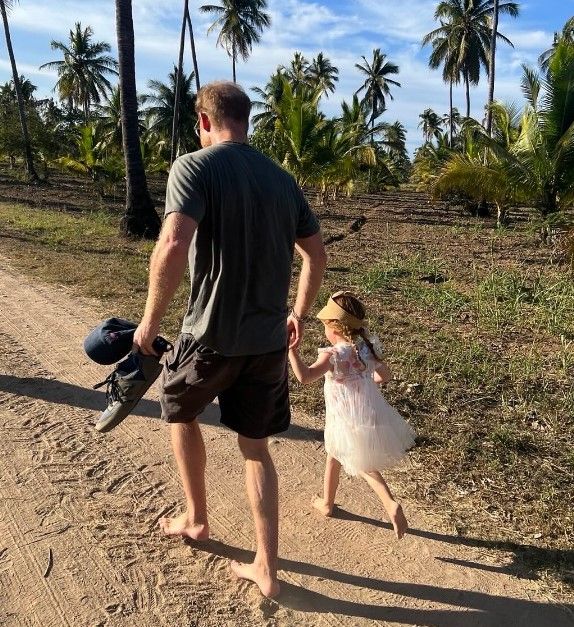 © @meghanLilibet calls her dad, Prince Harry, “Papa”
Experimenting with a nickname for a parent beyond the standard “Mummy” and “Daddy” monikers is something that is a normal part of language development, says HCPC-registered senior education and child psychologist Dr. Sasha Hall.
Recommended videoYou may also likeWATCH: Archie and Lilibet’s cutest moments caught on film
Princess Lilibet’s growing vocabulary
“As their vocabulary grows, they play with words, combine phrases they hear around them, and occasionally create something a bit more personalised than simply ‘mum’ or ‘dad’,” Dr. Sasha tells us.
 © Instagram / @meghanHarry and Lilibet have their own “private language”
“When a child uses a unique or playful name for a parent, it can also reflect the emotional tone of the relationship. In many cases, it suggests the child feels comfortable and secure enough to be a bit creative and informal with how they address their parent.”
Harry and Meghan’s ‘private language’ with their children
It seems from Meghan’s Instagram caption that she encourages the use of a nickname in her family for her husband. “When the parent responds warmly to it, those little language quirks can become part of the rhythm of that relationship,” the child psychologist tells us.
“These kinds of nicknames can become a small piece of what psychologists sometimes think of as a family’s ‘private language’. Families often develop their own words, jokes, or ways of addressing each other that are meaningful within that particular bond. For a child, this can contribute to a sense of closeness and belonging.”
 © InstagramNicknames create a sense of belonging
Equally, Princess Lilibet could have picked up the nickname from her parents or even her big brother, six-year-old Prince Archie. Dr. Sasha explains: “Sometimes the origin of the nickname is simply observational. Young children are very attuned to the language around them, so they may pick up titles or words they hear other adults using and weave them into how they refer to their parents.
“So when a child uses a nickname rather than a standard parental title, it’s often less about formality and more about the playful, affectionate ways relationships develop within families. Those little linguistic quirks can become a sign of warmth, familiarity, and the shared culture that forms within a close parent-child bond.”
Lili’s bond with Prince Harry
Lili, as she is known by those closest to her, shares a sweet bond with Prince Harry. On Valentine’s Day, Meghan took to Instagram to share a photo of the tot in her ballet uniform in the arms of her father in the garden at the Sussexes’ $29 million home. Harry grinned at his daughter, who has auburn hair just like his.
Of her role in his children’s life, Meghan said at the SXSW opening panel in 2024: “My husband is such a hands-on dad and such a supporter of me and my family. That I don’t take for granted. That is a real blessing.”