
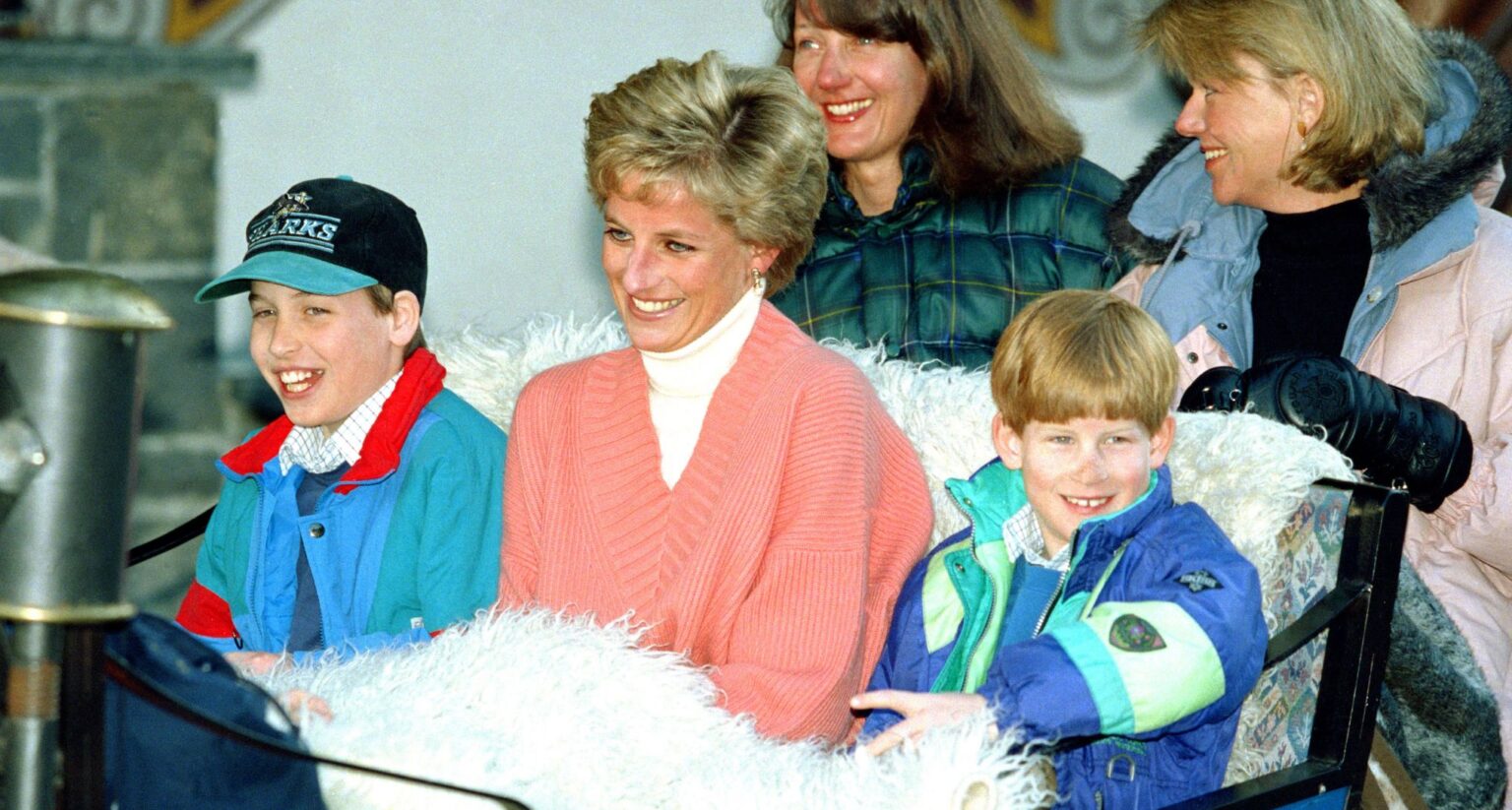
While pictures of the Royal Family on vacation are few and far between these days, in the ‘80s and ‘90s, Prince Charles and Princess Diana used to pose for arranged photoshoots to appease the press. Sadly, Diana was also plagued by paparazzi who were tipped off about her Caribbean beach trips and skiing vacations, but there was one place in Austria that brought her family numerous “wonderful memories.”
Diana brought Prince Harry and Prince William to Hotel Arlberg in Lech, Austria for five years in a row, and owner Hannes Schneider recently told People that her sons were “the center of her universe.”
Harry, in particular, loved Lech so much that he once dreamed of moving there. “For several years I’d talked in all seriousness about working at the ski resort in Lech am Arlberg, where Mummy used to take us,” the Duke of Sussex wrote in his memoir, Spare. “Such wonderful memories.”
Article continues below
You may like
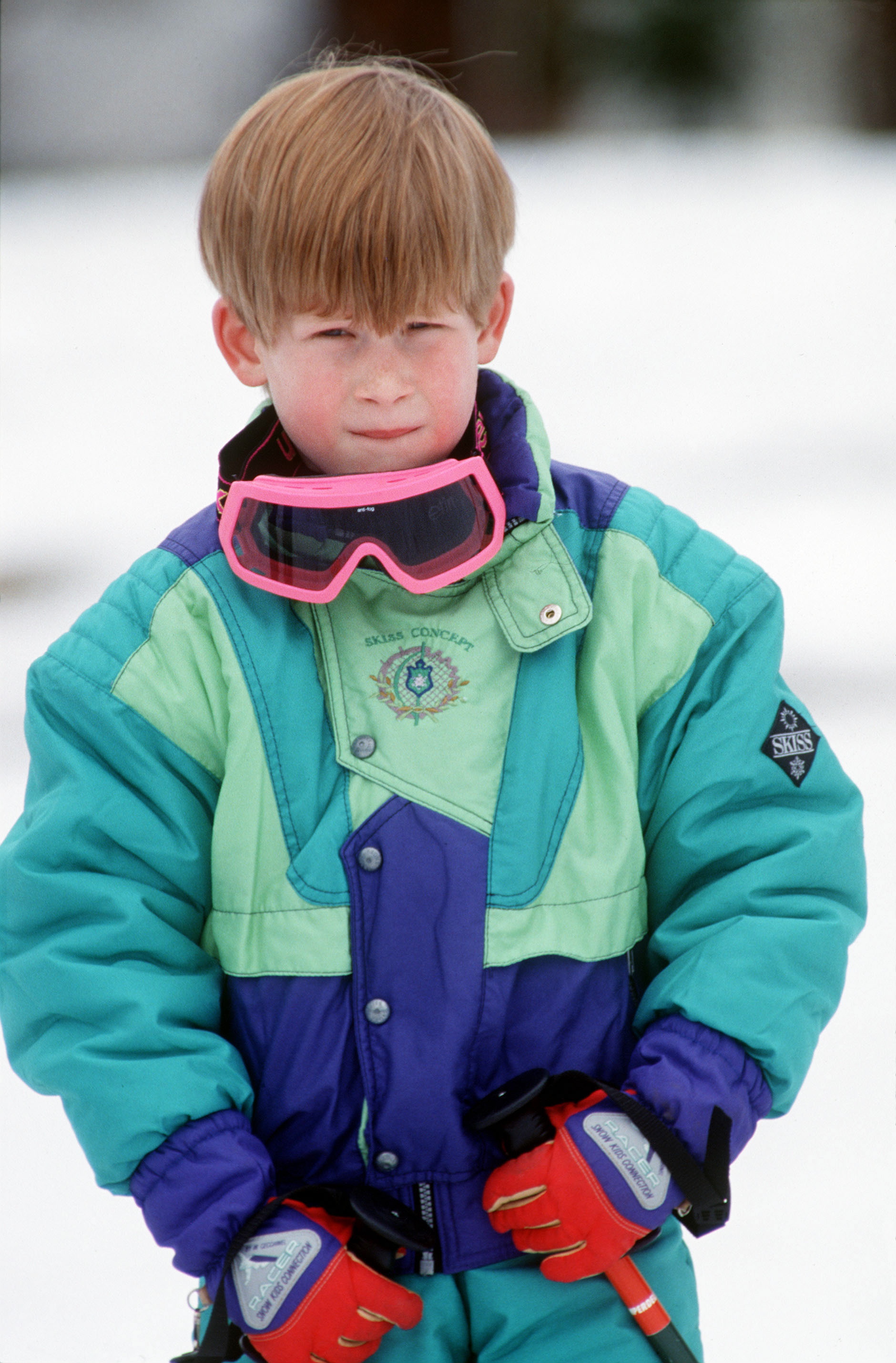
Prince Harry is pictured on the slopes in Lech, Austria in 1994.
(Image credit: Getty Images)
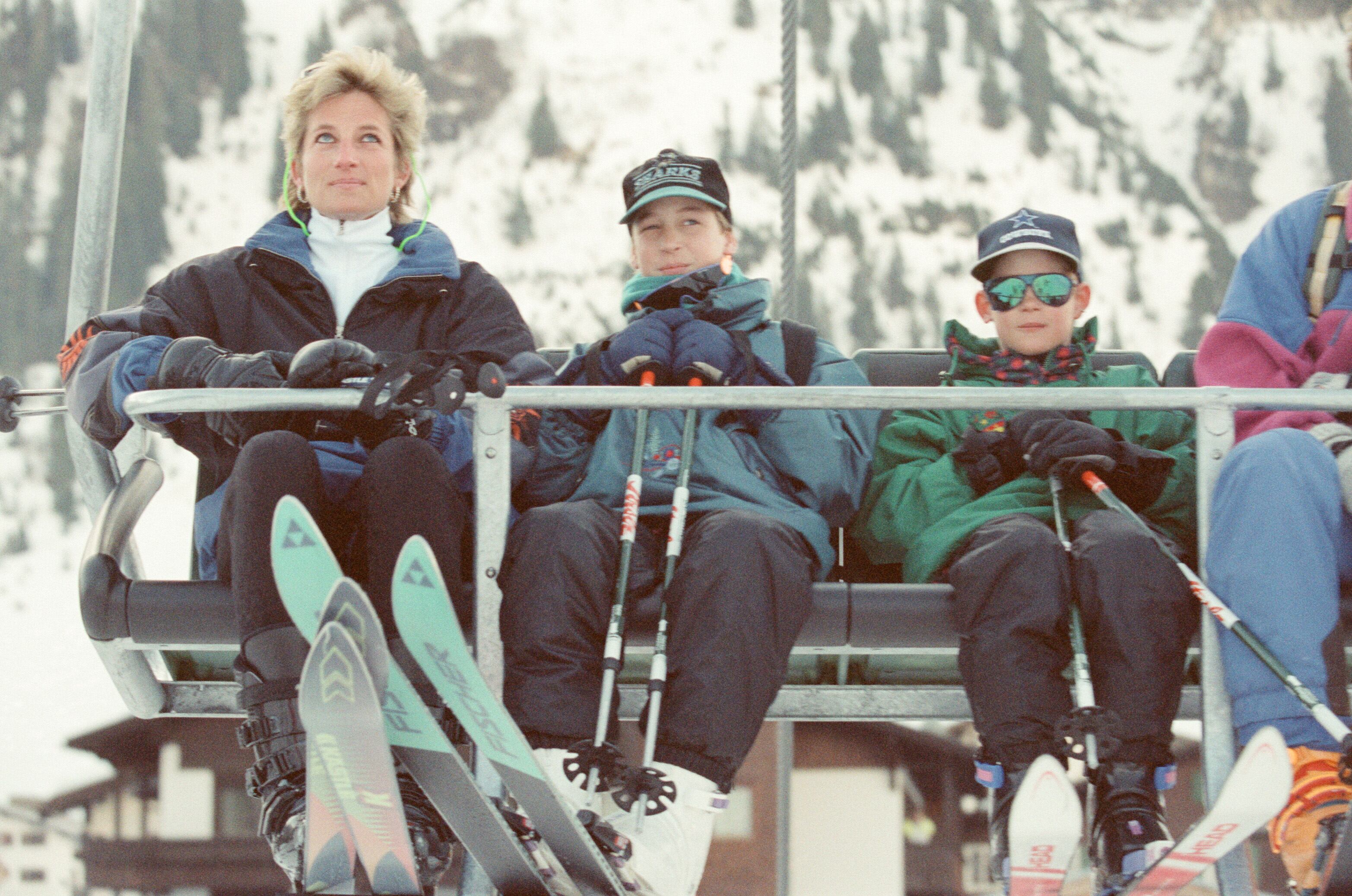
Princess Diana rides a ski lift with Prince William and Prince Harry during a 1994 Austrian holiday.
(Image credit: Getty Images)
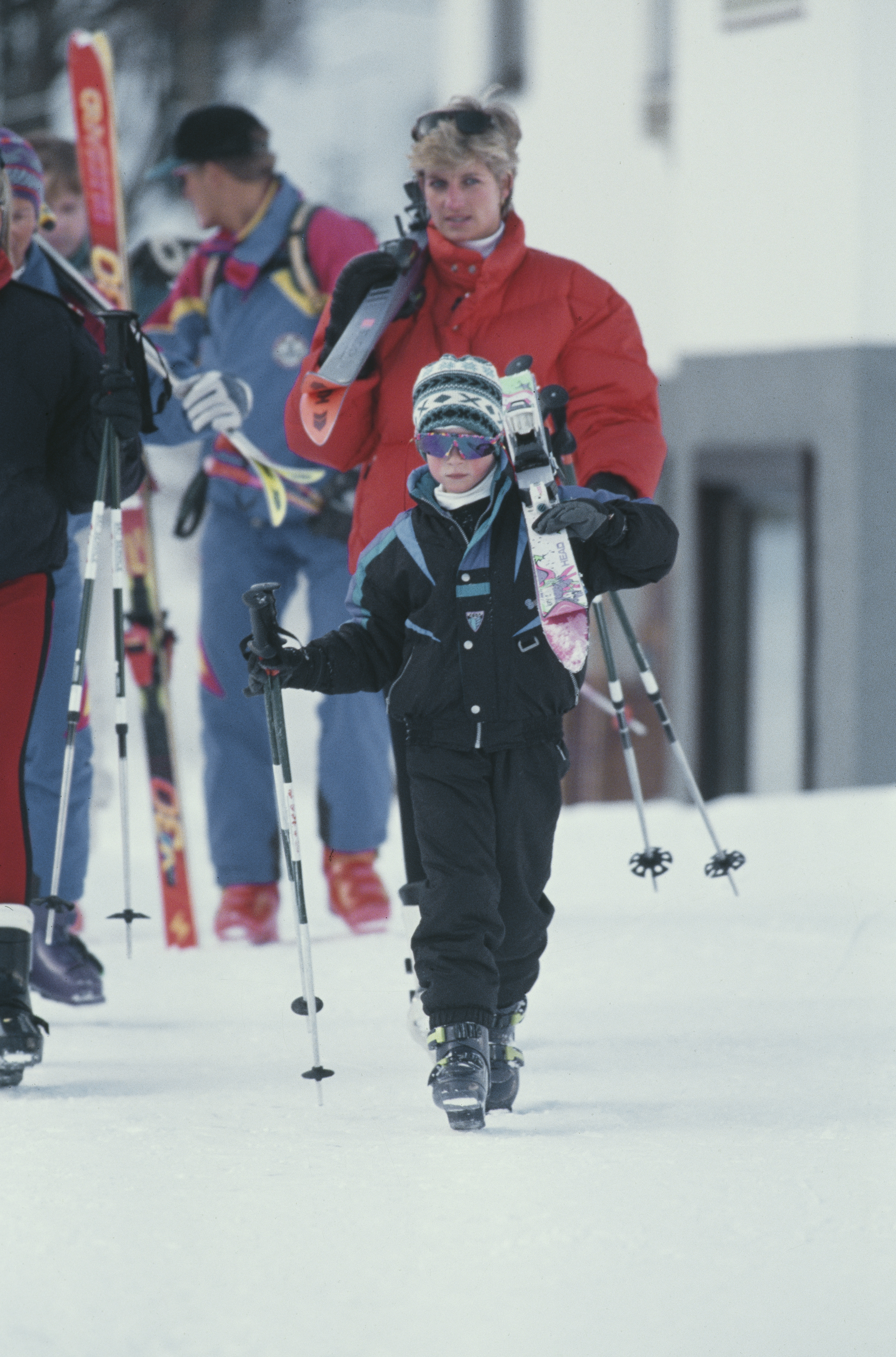
Princess Diana and Prince Harry hit the slopes in Lech, Austria in 1993.
(Image credit: Getty Images)
Prince Harry enjoyed his trips to Lech that he mentioned becoming a ski instructor to King Charles, who deemed the idea “out of the question.” Speaking of The King’s response to Harry’s dream job, Schneider quipped, “Daddy said no.”
Although he never lived out his skiing dream, Harry enjoyed numerous “normal” trips to Austria with his mom and brother. Schneider told People that the boys were “the nucleus of everything during these holidays.”
“All the other issues and whatever you were reading about didn’t influence the holiday experience of them as a family,” he said, adding that Diana “was the caring, loving mother that we all loved.”
The hotel owner stressed that the staff “always tried to create a home away from home” for Diana and her boys. “Something that was very normal for us was a huge privilege for them—to be treated as normal people,” Schneider added.