
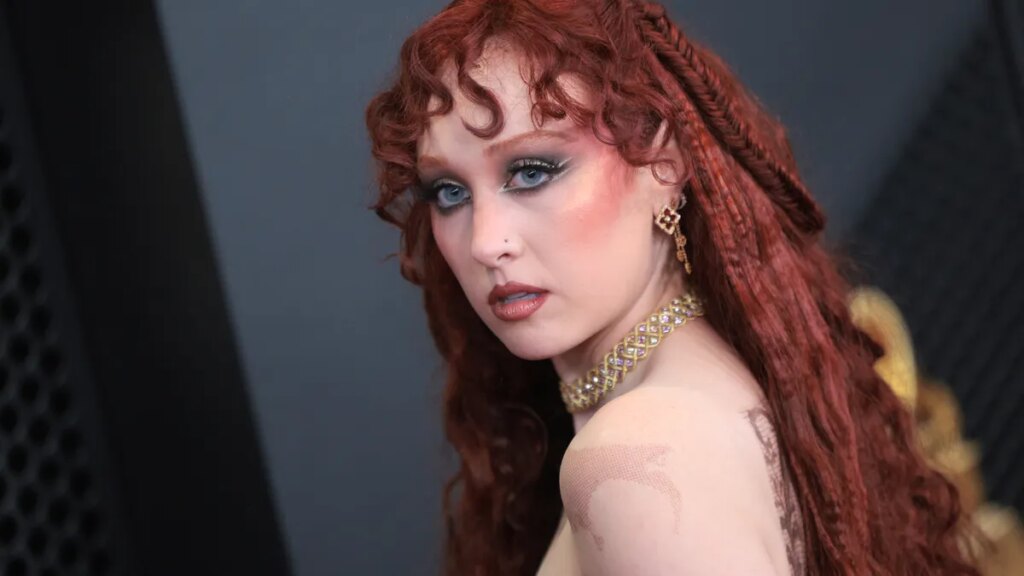
Brazilian soccer star Jorginho Frello alleged Chappell Roan’s security spoke aggressively to his 11-year-old daughter and wife.
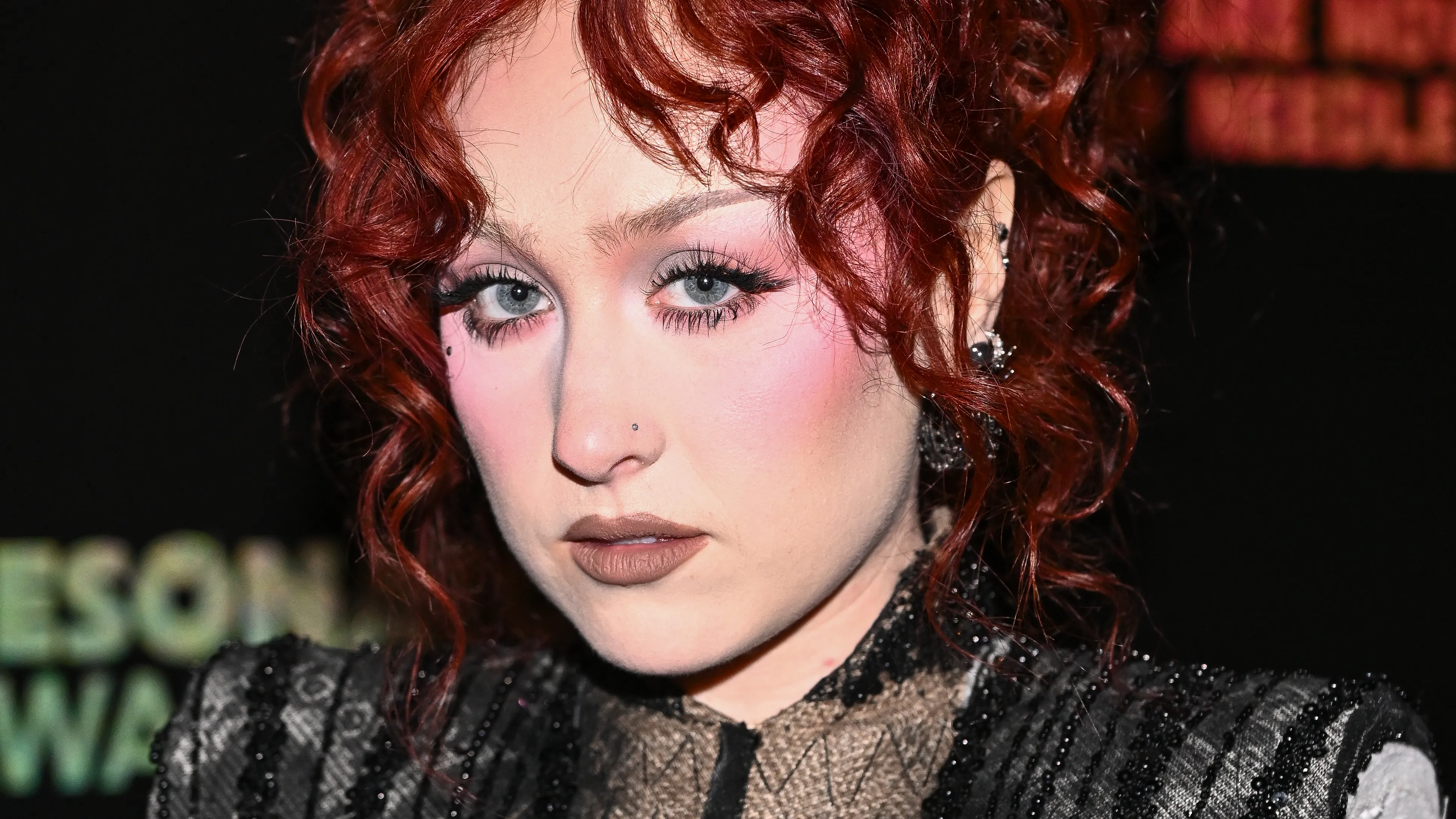

Chappell Roan delivers powerful award message at Resonator Awards
Chappell Roan accepts the Harmonizer Award at the Resonator Awards in Los Angeles and shares a message on giving and supporting those in need.
Chappell Roan is speaking out after a security guard allegedly made one of her 11-year-old fans cry.
In a video shared to her Instagram Stories on March 22, the “Hot to Go!” singer told “my half of the story” and apologized after soccer star Jorginho Frello alleged his wife and child were chastised by a security guard when they ran into Roan at a hotel.
“I didn’t even see a woman and a child,” Roan said in the video, which she filmed while in bed. “No one came up to me. No one bothered me. I was just sitting at breakfast in my hotel.”
The statement came after Frello posted on Instagram on March 21 that his wife and young daughter encountered Roan while staying at the same hotel in Brazil. Frello said his child walked past the singer, “looked to confirm it was her, smiled, and went back to sit with her mum,” after which a security guard allegedly came up and “began speaking in an extremely aggressive manner to both my wife and my daughter, saying that she shouldn’t allow my daughter to ‘disrespect’ or ‘harass’ other people.”
The security guard “even said he would file a complaint against them with the hotel, while my 11-year-old daughter was sitting there in tears,” Frello added, noting that his “daughter was extremely shaken and cried a lot.” The soccer player criticized Roan for the incident, saying that it’s “sad to see this kind of treatment coming from those who should understand the importance of fans.”
In her response, Roan said the security guard involved in the alleged incident was “not my personal security.” But she did not question the validity of Frello’s story and apologized to the mother and child.
“I did not ask the security guard to go up and talk to this mother and child,” she said. “They did not come up to me. They weren’t doing anything. It’s unfair for security to just assume someone doesn’t have good intentions, when they have no reason to believe, because there’s no action even taken.”
She said, “I do not hate people who are fans of my music. I do not hate children. That is crazy. I’m sorry to the mother and child, that someone was assuming something, that you would do something, and if you felt uncomfortable. That makes me really sad. You did not deserve that.”
Roan had been facing backlash after Frello’s post, in which the soccer star tagged the singer and directly addressed her fans by writing, “She does not deserve your affection.”
Amid the backlash, Roan performed at Lollapalooza Brazil on March 21, notably thanking her entire team, including security, according to video shared on social media.
“Thank you to my crew, and my security, and my band, and everyone behind the scenes,” she said.
Roan has been known for setting clear boundaries with fans ever since her career reached new heights in 2023 and 2024 with the success of her hit singles “Hot to Go!” and “Good Luck, Babe!”
In August 2024, she posted a two-part TikTok video speaking out against harassment she said she has experienced in public. The “Pink Pony Club” singer asked fans to consider if they would be offended if a “random woman on the street” didn’t want to take a picture with them.
“I don’t care that abuse and harassment, stalking, is a normal thing to do to people who are famous, or a little famous,” she said. “I don’t care that it’s normal. I don’t care that this crazy type of behavior comes along with the job, the career field I’ve chosen. That does not make it OK.”
She said she does not care “if you think it’s selfish of me to say no for a photo or for your time, or for a hug. That’s not normal. That’s weird. It’s weird how people think that you know a person just because you see them online or you listen to the art they make.”
That same month, Roan posted on Instagram that she needed to “draw lines and set boundaries” after being in “too many nonconsensual physical and social interactions.”
“I don’t agree with the notion that I owe a mutual exchange of energy, time or attention to people I do not know, do not trust, or who creep me out − just because they’re expressing admiration,” she wrote. “Women do not owe you a reason why they don’t want to be touched or talked to.”