
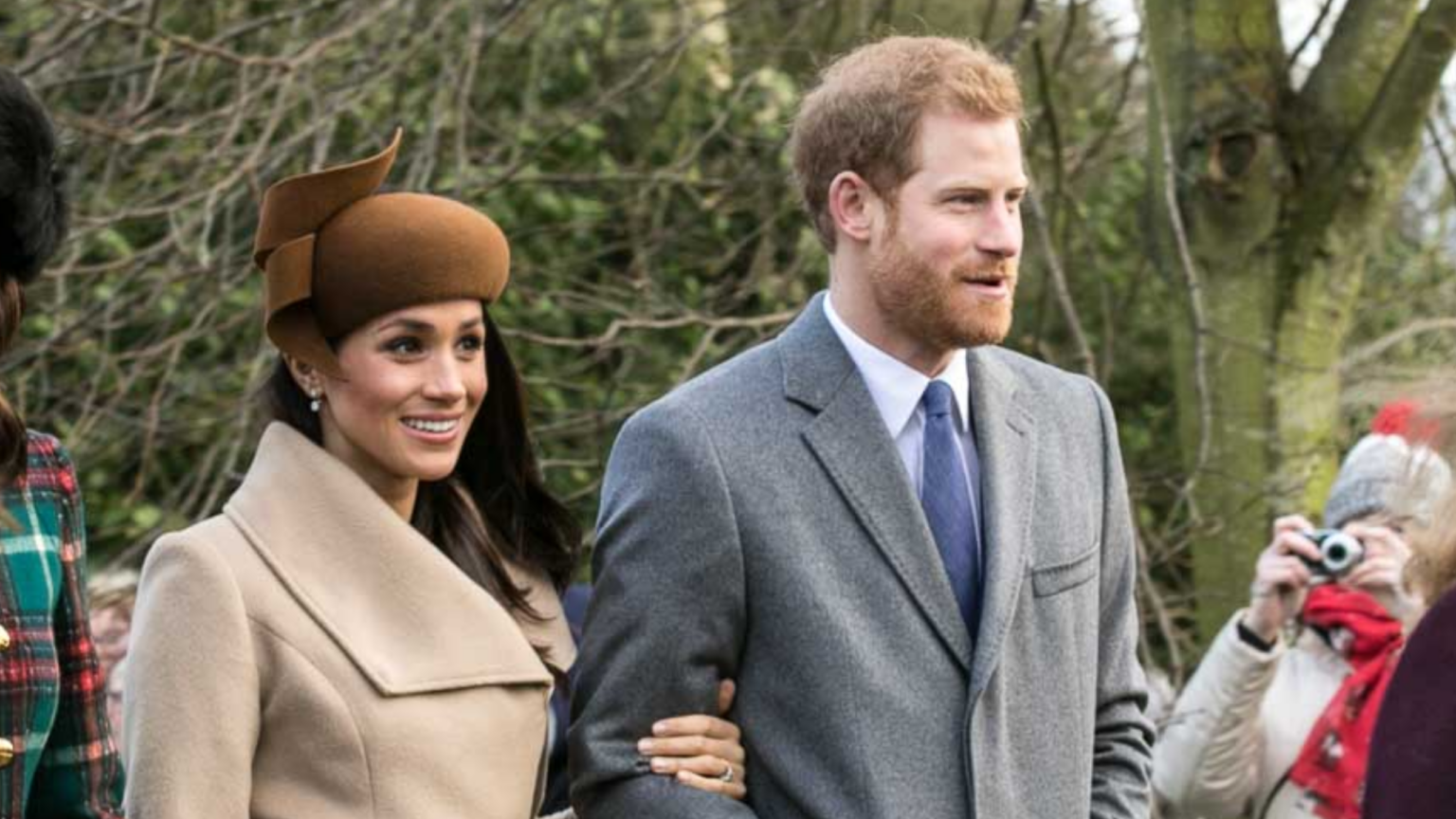
Meghan Markle was given formal training to help her adapt to life as a senior royal but brushed aside advice and came to believe she should be treated ‘as God,’ according to claims in a new book about the royal family by biographer Tom Bower, published in the UK this week. The author alleges that Queen Elizabeth II personally instructed that Meghan receive ‘divine’ treatment after her 2018 marriage to Prince Harry, in contrast to the Duchess of Sussex’s public suggestion that she was left to fend for herself.
Meghan has repeatedly indicated in interviews, most notably in her 2021 sit-down with Oprah Winfrey, that she had little guidance when she entered the royal family and struggled behind palace walls without meaningful support. Bower’s account in Betrayal: Power, Deceit and the Fight for the Future of the Royal Family sets out to puncture that narrative, positioning itself as an insider-led counterpoint to the Sussexes’ own version of events since they stepped back as working royals in 2020 and moved to California.
Training, Expectations and the ‘God’ Remark
In the book, Bower writes that the late queen asked courtiers to ensure Meghan was properly prepared for her new role, including the rigid expectations that come with being a working royal. One unnamed official is quoted as saying Meghan ‘refused to grasp’ that ‘The royal family is the nation’s family and a national obsession’ and that, for the monarchy to endure, ‘they relied on the public’s willingness to treat them like God.’
According to Express, the same official goes further, claiming Meghan ‘ignored all advice’ and ‘thought she should be treated as God.’ It is an incendiary line, even by the standards of royal biography, and one that seems crafted to jar with the public image of a duchess who has spoken frequently about vulnerability, mental health and feeling unsupported.
None of this can be independently verified. The claims rely on anonymous sources conveyed through an author who has become one of the Sussexes’ most persistent critics. No named palace figures speak on the record. Even so, the allegation falls squarely within the long-running debate over who misunderstood whom: a Californian actor entering an ancient British institution, or an institution unprepared for a modern, media-savvy outsider.
Bower insists his reporting is based on conversations with multiple insiders, but readers are left to weigh that against Meghan’s own testimony and the lack of documentary evidence. The palace, as usual, has not publicly engaged with this latest round of claims.
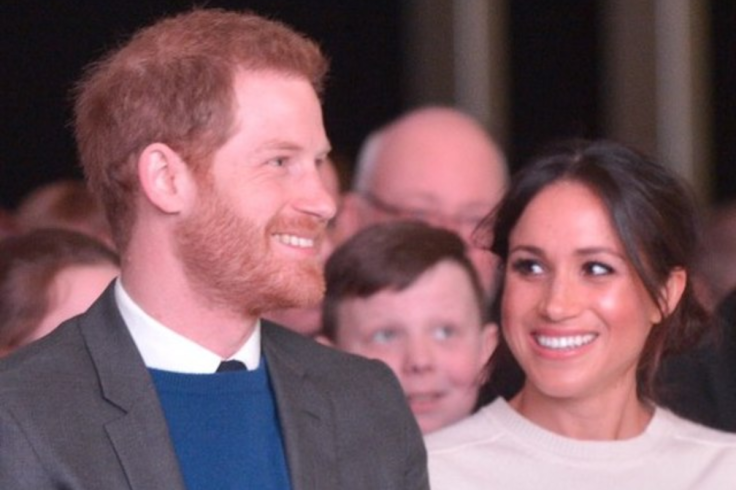
Prince Harry and Meghan Markle lost automatic taxpayer-funded police protection after stepping down from royal duties in 2020.
Northern Ireland Office/WikiMedia Commons
Netflix Deals and a Royal Rift Under the Microscope
Bower’s Betrayal widens out beyond the question of Meghan’s training to examine the fracture between Harry and Meghan and the Prince and Princess of Wales, their commercial moves in the United States, and the couple’s high-profile media projects with Netflix and Spotify since 2020.
He revisits the timeline familiar to royal-watchers. Harry and Meghan married on 19 May 2018 in St. George’s Chapel at Windsor Castle, their wedding hailed at the time as a fresh chapter for the monarchy. Less than two years later, in early 2020, they stepped down as senior royals and eventually relocated to California. Their first major public airing of grievances came with the televised Oprah interview in March 2021, broadcast on CBS in the US and seen worldwide.
The cover image for Betrayal seizes on the couple’s post-royal identity. It shows Harry and Meghan at Project Healthy Minds’ World Mental Health Day Festival in New York, a carefully chosen shot that underlines how the Sussexes now operate: part celebrity, part campaigner, entirely outside the royal rota. It is an unsubtle framing device. Bower is not hiding his own editorial lens.
The author has trodden this ground before. His 2022 book Revenge: Meghan, Harry, and the War Between the Windsors painted a similarly unforgiving portrait of the couple and their relationship with the wider royal family. Betrayal reads, in places, like a sequel determined to raise the stakes.
The duchess has spoken of feeling silenced; Bower contends she was briefed and supported, then chose not to listen. She has presented herself as blindsided by an archaic system; he argues she failed to accept that the monarchy’s survival depends on rituals, hierarchies and a public that expects its royals to be both relatable and remote.
From a journalistic standpoint, it is striking how much of the narrative relies on people who are not prepared to attach their names to the more pointed character assessments. That does not automatically invalidate the reporting, but it does demand a degree of scepticism from the reader, particularly when the author is as openly adversarial as Bower.
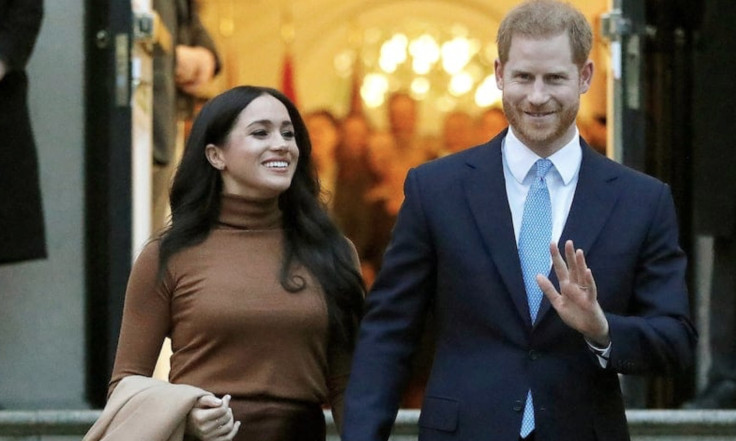
Meghan Markle reportedly demanded Prince Harry avoid the Royal Family’s latest crisis to protect their American commercial interests.
Love Always Win @sheneildis / X
Harry and Meghan’s camp, for their part, are not holding back. A spokesperson for the couple dismissed the writer in withering terms, saying Bower had ‘long crossed the line from criticism into fixation.’ They highlighted his previous comment that ‘the monarchy in fact depends on actually obliterating the Sussexes from our state of life,’ arguing that such remarks ‘speak for themselves.’
‘He has made a career out of constructing ever more elaborate theories about people he does not know and has never met,’ the spokesperson added. ‘Those interested in facts will look elsewhere; those seeking deranged conspiracy and melodrama know exactly where to find him.’
The clash leaves readers in familiar territory, caught between a royal couple who have monetised their grievances and a biographer who has monetised his disdain for them. Nothing in Bower’s account has been independently verified through official documents, and without on-the-record corroboration, many of the sharper claims about Meghan’s alleged desire for ‘God’ status should be approached with caution rather than accepted at face value.