
Lionsgate
Though there are rare examples of films that are considered timeless, most movies — even great ones — are products of their time. For instance, it’s not a big surprise that there are many ’80s movie hits that haven’t aged well. From the constant advancement of technology, to shifting tastes and changes in attitude towards boundary-pushing content and humor, the passage of several decades is bound to reveal a number of dated aspects within almost any film. This means that more and more movies from the ’90s and even the 2000s are beginning to show their age in one way or another.
As we are currently only halfway through the 2020s, we’ve yet to see this happen to the vast majority of films released in the previous decade. We can nitpick some dodgy special effects here or an offensive joke there, but such examples tend to be minor and don’t completely spoil the movies that contain them. However, there are some 2010s movies that are already considered as having aged poorly due to already dated technology, racial and social themes that don’t hold up under the current consensus of morality, or subsequent events that shifted how we see the world.
The Help
Walt Disney Motion Picture Studios
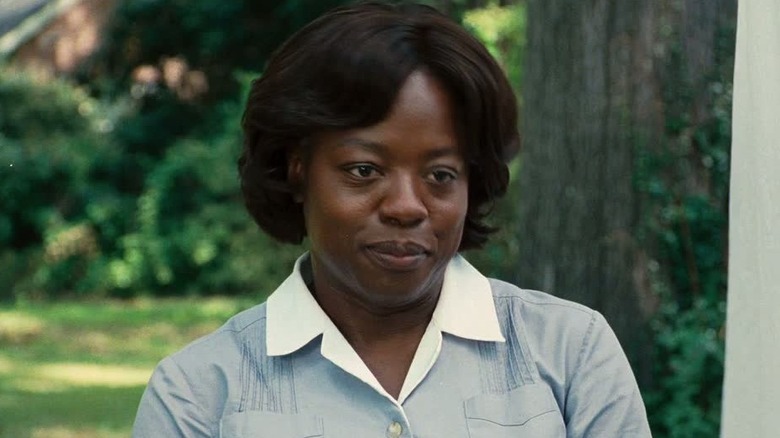
Based on the 2009 novel of the same name, “The Help” tells the story of a young white journalist named Skeeter Phelan (Emma Stone) in 1960s Mississippi who wants to write a book about racism. She befriends two black housekeepers — Aibileen Clark (Viola Davis) and Minny Jackson (Octavia Spencer) — in order to learn about their experiences with discrimination, both within their line of work and their day-to-day lives in general. While critics did point out that the movie smooths over the rougher edges of what racism was really like at the time, especially in the South, “The Help” was nonetheless critically acclaimed and was nominated for four Academy Awards.
As time went on, however, what were initially dismissed as minor nitpicks for an otherwise great movie were eventually seen as far more damning. It was viewed as not only another example of the “white savior” trope at a time when Hollywood should’ve known better, but arguably one of the worst ones in years. Whatever positive things “The Help” might have had to say were soon overshadowed entirely by the problematic ways in which it went about saying them.
Perhaps most indicative of just how badly the film was retroactively viewed as fumbling its message was when Viola Davis said she regrets playing Aibileen Clark in “The Help”, telling The New York Times in 2018, “I just felt that[,] at the end of the day[,] it wasn’t the voices of the maids that were heard.” And her feelings on the matter only seemed to sour as time went on, as she would tell Vanity Fair two years later, “There’s a part of me that feels like I betrayed myself, and my people, because I was in a movie that wasn’t ready to [tell the whole truth]. [‘The Help’ was] created in the filter and the cesspool of systemic racism.”
Blue Is the Warmest Color
Wild Bunch
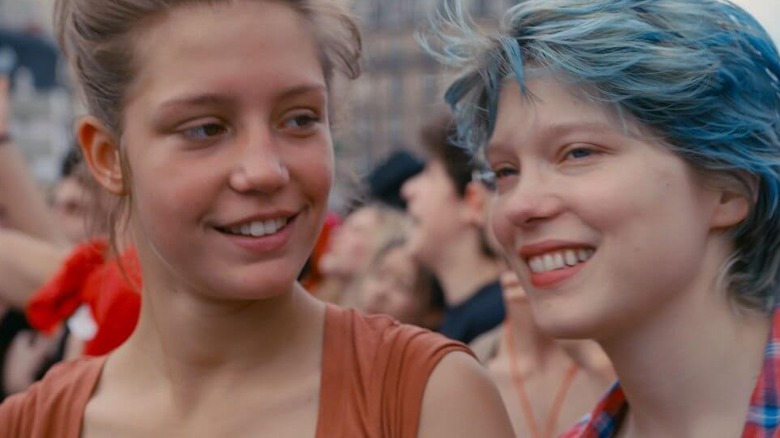
The fact that “Blue is the Warmest Color” featured an explicit sex scene involving a character that was stated as only being 15 years old seemed to matter little to critics upon its release. The coming-of-age erotic drama was gushed over after its initial screening at Cannes, not just by critics and journalists but also filmmaker Steven Spielberg. At a press conference during the event, he raved (via HuffPost), “For me[,] the film is a great love story that made all of [us] feel like we were privileged to be flies on the wall, to be invited into this story of deep love and deep heartbreak.”
Any controversy about the aforementioned sex scene, allegations from the cast and crew of mistreatment from the director, and criticisms over the necessity — not to mention believability — of the multiple extended sex scenes between the two lead characters seemed to do little to affect how much acclaim “Blue is the Warmest Color” received. The film follows a girl named Adèle (Adèle Exarchopoulos) on her journey to discovering her sexuality with the help of her new friend Emma (Léa Seydoux), and there admittedly was some pushback at the time that accused the movie of being all about the male gaze. That is to say, meant to titillate straight men with hot girl-on-girl action, rather than being a true queer love story.
But those opinions tended to be outliers among otherwise near-universal praise. It has only been with time and reappraisal, not to mention #MeToo bringing a much sharper focus on how often male filmmakers forgo three-dimensional female characters for the sake of what they happen to be turned on by, that the issues with “Blue is the Warmest Color” have started to dim the shine that the movie initially held.
Horrible Bosses
Warner Bros. Pictures
Whenever there is an examination of a certain era of movies, and which movies from said era haven’t aged well, among the first to be scrutinized are R-rated comedies. By their very nature, R-rated comedies are meant to challenge boundaries, social norms, and good taste in general. However, not counting movies that specifically set out to shock and offend, it still tends to take some time for most R-rated comedies to feel the squeeze of no longer being as acceptable as they initially were — which is true for most such movies from the 2010s. It’s not true for “Horrible Bosses,” though.
Upon release in 2011, “Horrible Bosses” got mostly positive reviews from critics, most of which was thanks to a stacked and talented cast. The premise sees a trio of friends — Nick (Jason Bateman), Dale (Charlie Day), and Kurt (Jason Sudeikis) — who are each fed up with being mistreated by their respective employers. So they come up with a plan to help one another murder their bosses, which of course goes awry to a hilarious degree. Sure, it’s problematic to advocate for killing people just because they mistreat you, but that’s not even where the biggest issues with “Horrible Bosses” lie.
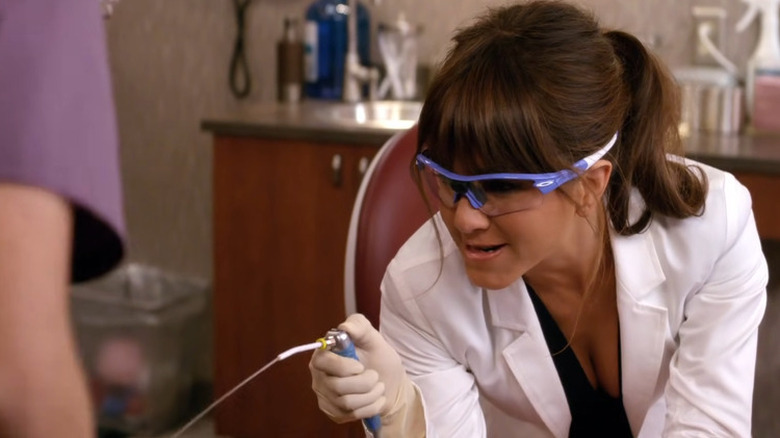
Dale’s boss is Dr. Julia Harris (Jennifer Aniston), the dentist to whom he is the assistant. Julia sexually harasses Dale both verbally and physically, which is naturally played for laughs — in part because of the unexpected twist of it being a woman sexually harassing a man. But again, in a post-#MeToo world, it’s much harder to laugh at power-imbalanced workplace sexual harassment. And there is also something to be said for how often men aren’t taken seriously as victims of harassment, so that aspect of Dale’s abuse specifically being the point of the joke just feels gross.
Tron: Legacy
Disney
One of the untold truths of “Tron,” Disney’s groundbreaking 1982 sci-fi film, is that it was a pioneer in the use of computers in creating special effects for movies. Its impressive visuals contributed greatly to the movie’s legacy, much more so than its thin plot and characters. But it became a cult hit in spite of it being a case of style over substance, because its style was just that damn cool. When a sequel — 2010’s “Tron: Legacy” — finally hit a whopping 28 years later, and it was again praised for its aesthetics, cutting-edge special effects, and incredible Daft Punk soundtrack. However, it was dinged for just about everything else, and nobody was particularly surprised.
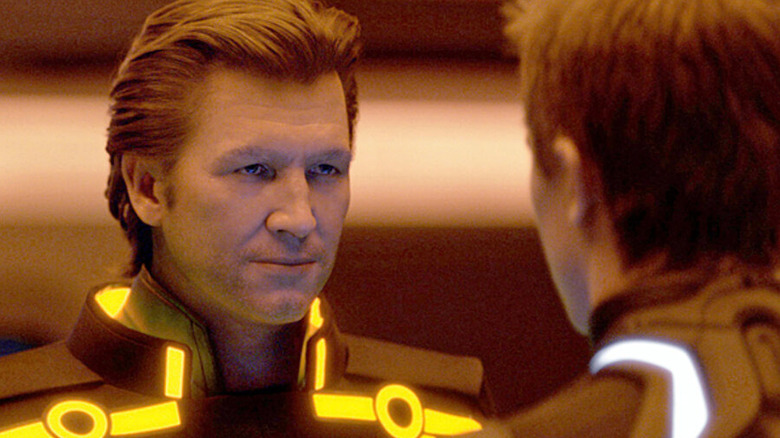
“Tron: Legacy” was one of the most eye-catching movies of its time upon release, finally fully realizing what the original “Tron” was trying to achieve visually but had to mostly rely on cheats and trickery in the absence of being able to actually do it all with computers. One of the most talked-about aspects of “Legacy’s” special effects, beyond how awesome The Grid looked, was the technology used to de-age Jeff Bridges to portray Kevin Flynn’s digital duplicate. Some pointed out the slightly video gamey look to his face, but that felt acceptable given that The Grid is a computer program. Overall, it was viewed as a triumph of the technology.
Looking at it now, though, is borderline embarrassing. You could find a free AI program that creates a more convincing 1982-era Jeff Bridges in about five minutes that would put how he looked in “Legacy” to shame. And it’s too bad, because otherwise, the movie’s special effects hold up remarkably well.
La La Land
Lionsgate
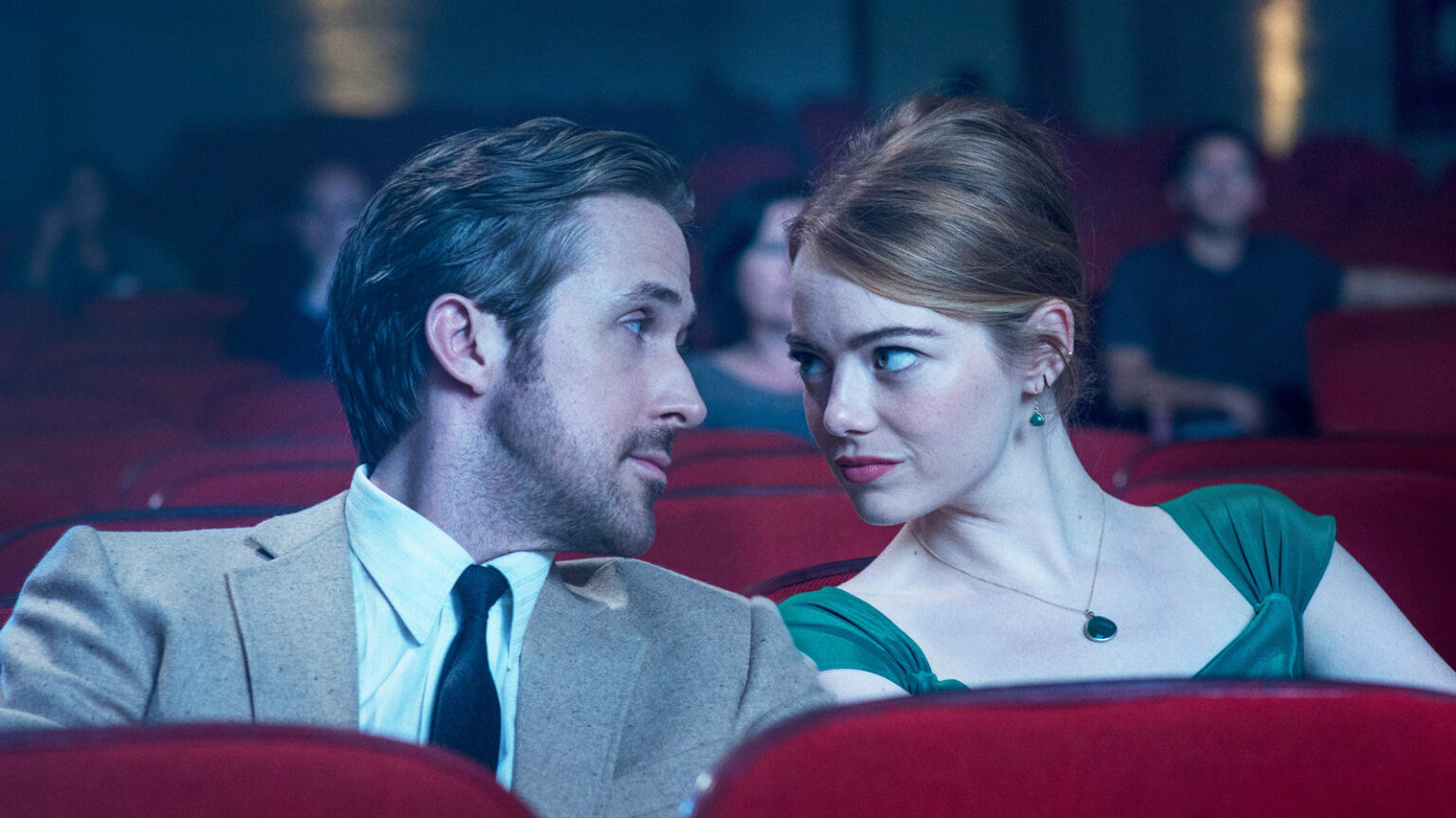
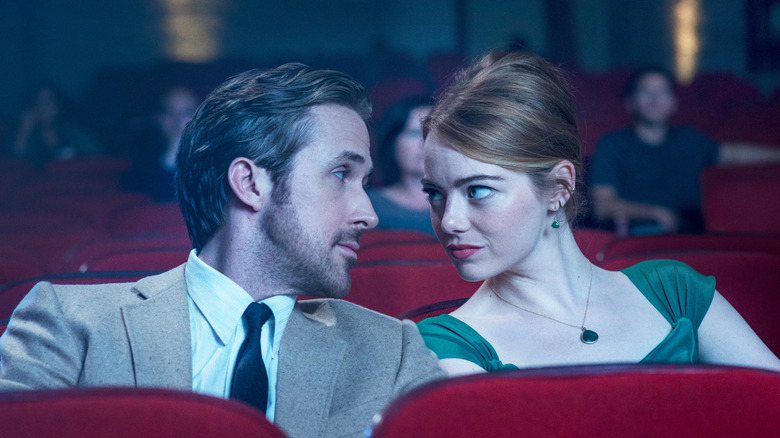
One of the most critically acclaimed movies on this entire list, and the surprising role that made Emma Stone the most money in her career, is the 2016 musical “La La Land.” Celebrated for being a beautiful love letter to both golden era musicals and the magic of Hollywood in general, the movie was buoyed by the undeniably charming chemistry of leads Stone and Ryan Gosling. But it wouldn’t take long for controversies to become inextricably tied to the movie’s legacy — including the infamous mix-up that led to it being incorrectly announced as the winner of that year’s best picture Oscar before “Moonlight” was declared the true victor. It still took home six other trophies that night, though.
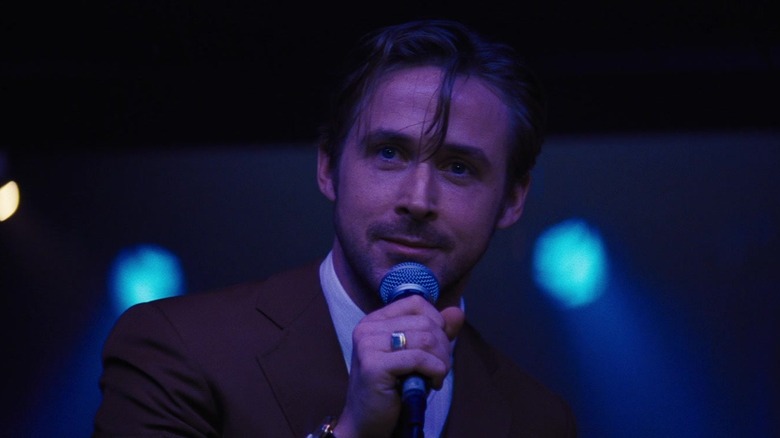
In “La La Land,” Stone plays aspiring actor Mia parallel to Gosling’s aspiring musician Sebastian, and the movie follows their relationship as it struggles against each of their respective careers pulling them in different directions figuratively and literally. But Seb doesn’t just want to be any ol’ musician, but a jazz musician in particular. He’s a longtime fan and huge devotee of the genre, and one of his first dates with Mia involves him trying to educate her on why he loves jazz, and how sad it is that it’s not as big as it used to be — something he intends to fix.
And that’s where the problems arise. As people have looked back at “La La Land,” it has become clear how much the movie is another example of the “white savior” trope — this time, with a white man needing to be the one to save a musical genre that has especially strong roots in black history and culture. Jazz was dying until an attractive white dude brought it back to life, essentially.
Avengers: Age of Ultron
Marvel Studios
As time has passed, the general consensus on some of those Phase One and Phase Two Marvel Cinematic Universe movies has changed a bit. Some people go to bat for “Thor: The Dark World” not being as bad as it was made out to be upon release, for instance. And there are also movies that have been reappraised in the opposite direction, with the generally warmly received “Avengers: Age of Ultron” seeing fan opinion cooling off a bit in the decade since its release.
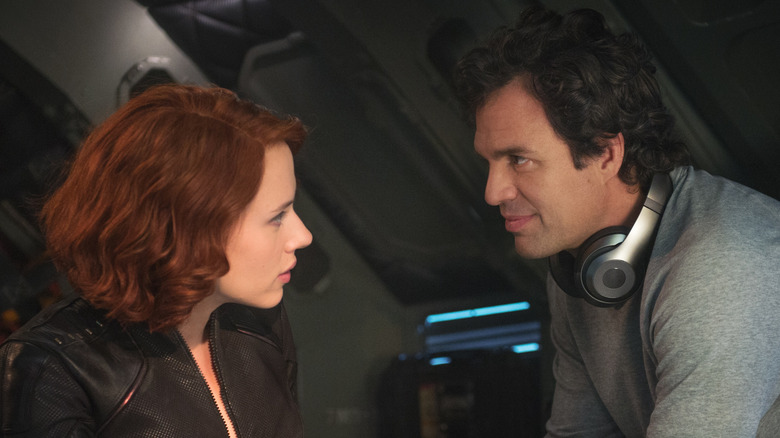
There are a few dumb things in “Avengers: Age of Ultron” everyone just ignored even at the time, but a lot of it was silly, nitpicky plot and lore stuff that wasn’t egregiously worse than the typical superhero epic. That said, the awkward, forced love subplot between Natasha (Scarlett Johansson) and Bruce Banner (Mark Ruffalo) definitely stood out — and the fact that it was almost immediately abandoned and never addressed again only proves that the brains behind the MCU also agreed. However, that whole fiasco also gets at another thing about “Age of Ultron” that would later be considered as poorly aged, which is how badly handled Natasha was as a character.
Initially little more than a sexy femme fatale type, it definitely took some time for the MCU to know what to do with Natasha to make her a truly three-dimensional character. And once she got there, it made those early examples look that much worse by comparison — the one in “Age of Ultron” in particular. Not knowing what to do with her other than to have her crushing on Hulk was one of the MCU’s most glaring character missteps in those early days. And let’s not forget about Natasha calling herself a monster in that film for not being able to bare children. Yikes.
Hidden Figures
20th Century Fox
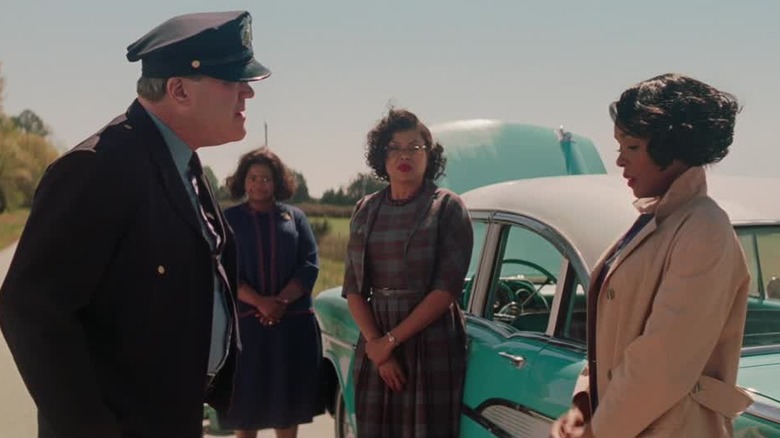
With an impressive 93% on Rotten Tomatoes and a critical consensus that reads, “In heartwarming, crowd-pleasing fashion, ‘Hidden Figures’ celebrates overlooked — and crucial — contributions from a pivotal moment in American history,” the 2016 biopic seemed to have nothing but positive vibes surrounding it. It tells the story of real-life black NASA mathematicians Katherine G. Johnson, Dorothy Vaughan, and Mary Jackson — portrayed by Taraji P. Henson, Octavia Spencer, and Janelle Monáe, respectively — whose key contributions to the Space Race were complicated by the discrimination they faced for both their skin color and their sex.
Though some critics admitted that the movie presented a slightly glossy filter over the events depicted in the film for the sake of feel-good, triumph-over-adversity biopic vibes that audiences tend to love, it didn’t seem to be a dealbreaker for most. After all, the argument went, at least it was bringing a much-needed spotlight to these women and the important work they did, and was sure to be introducing their names to millions of people for the first time. But once again, the passage of time has caused people to reexamine “Hidden Figures,” and what were previously minor injuries to the movie’s legacy have grown into festering wounds.
In 2020, Buzzfeed’s Isabel Daly stated that she believed the story deserved a redo, writing, “I want a remake that doesn’t focus on making a white audience feel less bad about themselves and focuses on the amazing [Black] mathematicians who got us to the moon.” That sums up what several retrospective think pieces on the movie have also stated, which is that “Hidden Figures” seems more interested in forgiving history for overlooking these women than digging into the uncomfortable reasons why they were overlooked to begin with.
Star Wars: The Force Awakens
Walt Disney Studios Motion Pictures
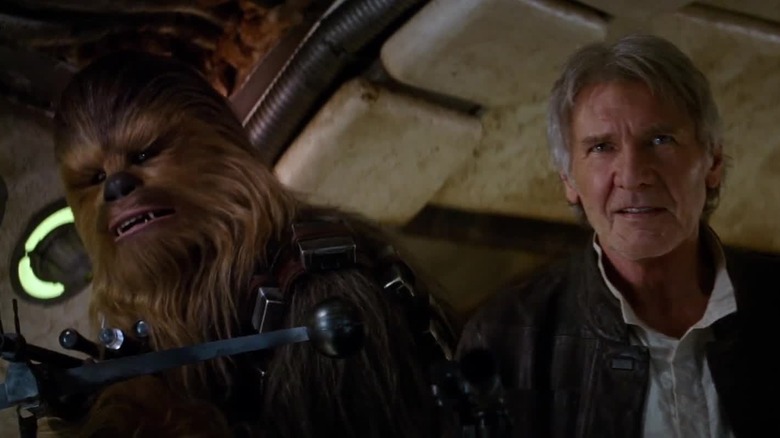
After the divisive special editions of the original “Star Wars” trilogy, the overall disappointed reaction to the prequels, and the pushback to George Lucas’ constant tinkering with movies that didn’t need tinkering with, the fandom for the franchise that looked back long ago at a galaxy far, far away was feeling pretty pessimistic. So when the first trailer for the long awaited seventh installment was revealed, full of nostalgic vibes and the return of characters that hadn’t been seen in live action in over 30 years, “Star Wars” fans were happy again.
And when “Star Wars: Episode VII – The Force Awakens” was first released, everyone seemed to be in agreement that “Star Wars” was truly back. It became the third highest-rated “Star Wars” movie of all time by critics, easily outscoring all three prequels and even besting “Return of the Jedi.” The groundwork was laid for an excellent sequel trilogy — which, sadly, didn’t fully pan out. And at least part of the blame for how bad “The Rise of Skywalker” ended up being has to be laid at the feet of “The Force Awakens,” which is the movie that provided its foundation. The ninth “Star Wars” movie smacked of a franchise once again spinning its wheels, and that started with “The Force Awakens” itself as having done little to innovate.
In reappraising it, one of the biggest complaints about “The Force Awakens” is precisely because it so strongly paid reverence to the original “Star Wars” trilogy. Once the novelty of the nostalgia wore off, fans began to see that playing it safe by just replicating the vibes of classic “Star Wars” wasn’t the way to reinvigorate the franchise. Many fans have been making the case in recent years that the prequels were unfairly hated and deserve more respect, which only makes “The Force Awakens” choosing to spiritually shun them all the more damning.
Joker
Warner Bros. Pictures
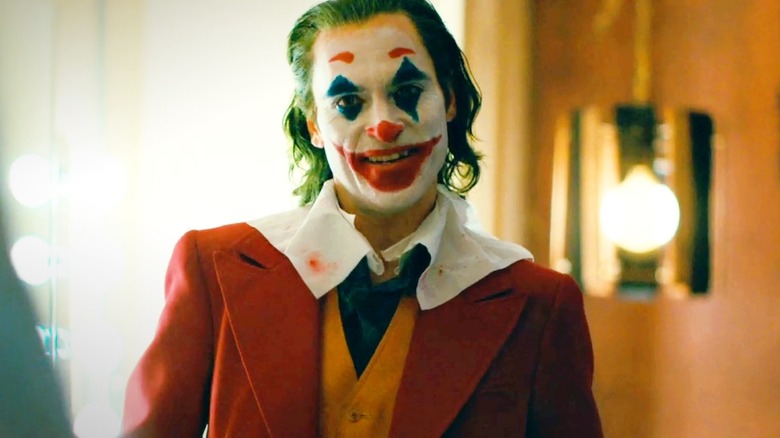
As of this writing, the 2019 “Joker” movie, directed by Todd Phillips and starring Joaquin Phoenix in the titular role, is a mere six years old. So how can a movie released such a fairly short time ago have already aged poorly? It actually has less to do with the movie itself and more to do with what has happened in society and culture in the time since the movie was released that makes it difficult to revisit.
Fourth-wave feminism, a focus on transgender people within LGBTQ+ activism, and the aftermath of #MeToo have given rise to the so-called “manosphere.” That is to say, a group of cisgendered straight men who have self-identified as victims of the aforementioned movements and are therefore attempting to reclaim what they see as traditional masculinity and classic gender roles. Corrine Asbell of Fictionphile argues that “Joker” became one of those movies that the wrong kind of people saw as promoting its flawed protagonist rather than vilifying him, and that the societal shift towards manosphere culture only made that worse.
“As time passed, criticism grew around its murky messaging, particularly its tendency to blur the line between empathy and endorsement,” Asbell wrote. “The unease intensified as real-world conversations about radicalization, masculinity, and violence evolved. Joker doesn’t cause those issues, but its framing made many viewers uncomfortable because it flirts so closely with romanticizing grievance and victimhood.”