
The tragic Palm Sunday killings in Jos have once again thrown Nigeria into mourning, with at least 27 people confirmed dead after gunmen attacked residents in Angwan Rukuba, Jos North, on March 29, 2026.
The attackers opened fire on civilians returning from church, leaving several others injured and the community in shock.
The incident hits even closer to home for some in the entertainment industry, as both Peter Okoye and Jesse Jagz grew up in Jos.
Celebrities React With Grief and Anger
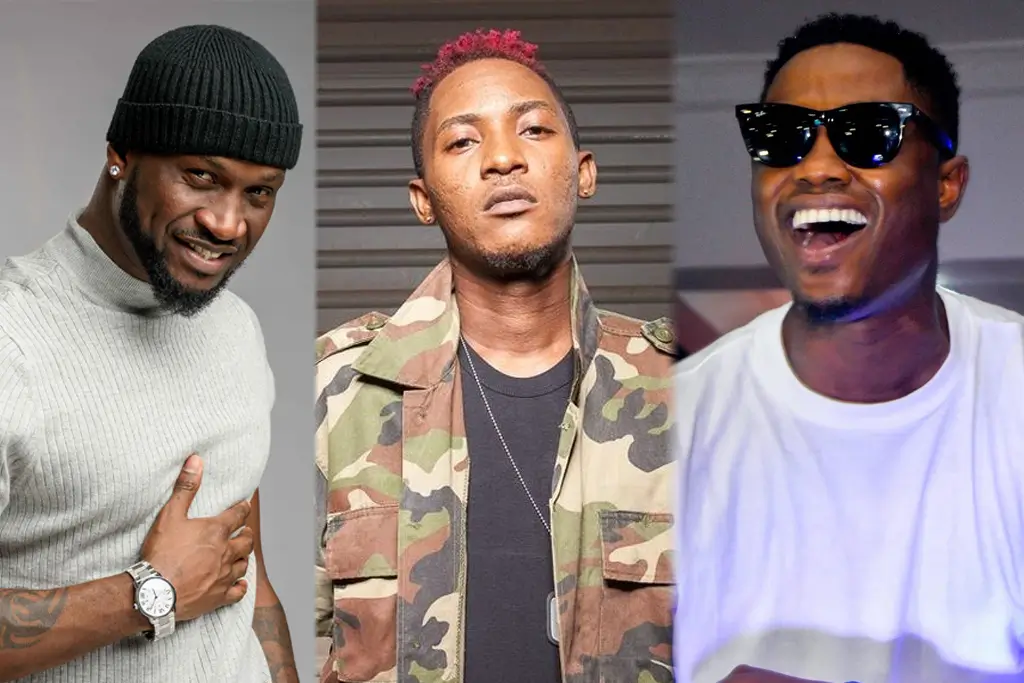
The tragic killings in Jos have once again thrown Nigeria into mourning, and as expected, the country’s entertainment industry has not stayed silent. Several high-profile figures including Peter Okoye, Jesse Jagz, Jaywon, Mr Macaroni, DJ Neptune, and Vector have taken to social media to condemn the violence, express grief, and demand accountability.
Across platforms like X and Instagram, their messages carry a similar tone anger, frustration, and a deep sense of helplessness. Many questioned the recurring nature of such attacks, while others called out leadership and the country’s fragile security structure.
Voices From the Industry
On X, Peter Okoye expressed deep sorrow, writing:
“My heart is heavy… My prayers are with my people in Jos. God please comfort every grieving family.”
For Mr Macaroni, however, the response went beyond sympathy. He wrote:
“Zero accountability, zero responsibility… Nigerians keep dying and those in power act like nothing is happening.”
In another post, he described the situation as “unbearably heart wrenching” and questioned the lack of urgency from leadership.
Rapper Vector also weighed in:
“How many times will we keep saying rest in peace?”
Similarly, Jaywon expressed frustration over the state of the nation, tweeting:
“This country keeps testing our faith. How do we keep explaining these killings over and over again?”
For Jesse Jagz, the reaction leaned more spiritual and reflective:
“Prayers up for Jos… May God heal our land and comfort His people.”
Meanwhile, DJ Neptune kept his reaction brief but pointed:
“Another sad day for Nigeria… when does it end?”
A Pattern of Grief and Frustration
Across these reactions, a pattern emerges grief, anger, frustration, and a growing sense of helplessness.
But beyond the emotional outpouring lies a deeper conversation: why do celebrities speak up in moments like this, and what does it truly achieve?
Genuine Advocacy or Social Relevance?
For some, like Mr Macaroni, the response aligns with a consistent history of activism, suggesting genuine concern and a commitment to accountability. His voice, like a few others, extends beyond trending topics and into sustained advocacy.
However, beyond the outrage lies a more complex conversation: why do celebrities speak up, and what does it really achieve?
For personalities like Mr Macaroni, whose activism dates back to movements like EndSARS, speaking out appears consistent with a long-standing pattern of civic engagement. His voice, often rooted in advocacy, reflects a deliberate effort to hold power accountable and amplify public frustration.
But for others, the timing and intensity of their reactions raise questions. In an industry where relevance is currency, social commentary has increasingly become part of celebrity branding. Speaking on national issues keeps public figures visible, relatable, and aligned with the emotions of everyday Nigerians. In this sense, outrage can sometimes blur the line between genuine concern and strategic visibility.
The Pressure to Speak in the Digital Age
There is also the pressure of expectation. In today’s digital culture, silence is often interpreted as indifference. Celebrities who fail to react risk backlash, while those who speak are praised or scrutinized.
This has created a cycle where public figures may feel compelled to comment, regardless of how deeply they are engaged with the issue beyond social media.
Beyond Social Media Outrage
Yet, dismissing all reactions as performative would ignore an important reality entertainers are now key participants in Nigeria’s socio-political discourse. Their platforms give them the power to amplify issues faster and wider than traditional channels.
Even a single tweet can keep national attention fixed on a tragedy that might otherwise fade quickly from headlines.
The real question, however, is what happens after the posts.
While awareness is crucial, critics argue that meaningful impact lies in sustained action advocacy, community support, and using influence to push for tangible change. Without this, social media outrage risks becoming temporary noise in a country already overwhelmed by recurring crises.
A Complex Role in Shaping National Conversations
As Nigerians continue to grieve the lives lost in Jos, the reactions from the entertainment industry reflect both empathy and complexity.
Whether driven by genuine pain, public expectation, or the need to stay relevant, one thing is certain celebrity voices are shaping conversations, but their true impact will always be measured beyond the timeline.