
Get the latest entertainment news, reviews and star-studded interviews with our Independent Culture emailGet the latest entertainment news with our free Culture newsletter Get the latest entertainment news with our free Culture newsletter
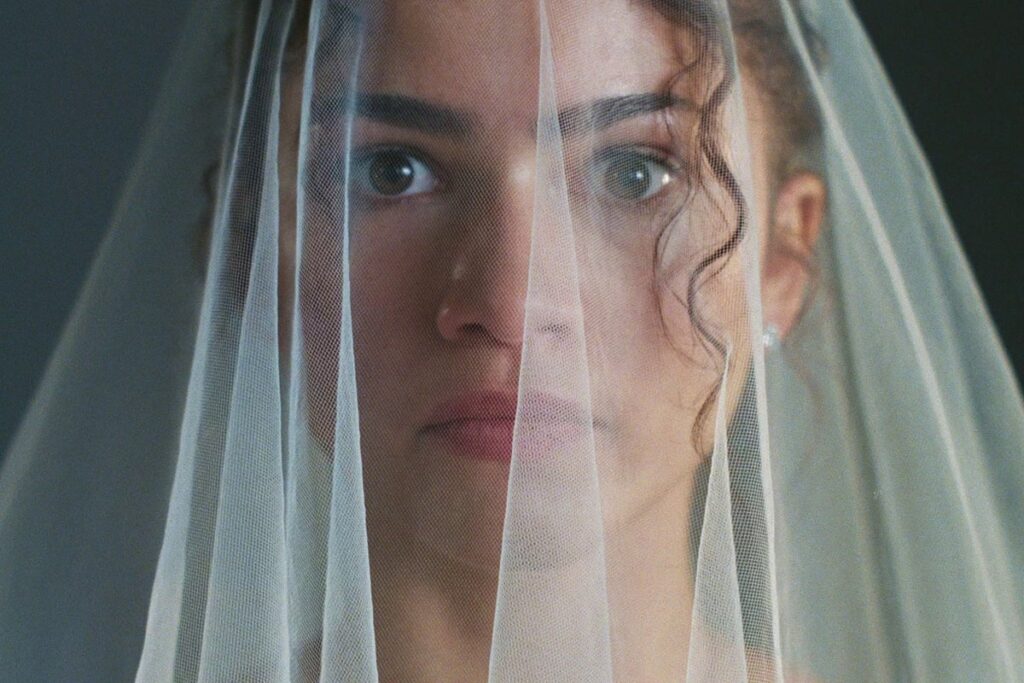
The first rule of The Drama is: you do not talk about The Drama. This is the approach, at least, taken by the film’s marketing team, who have nurtured a near-total omertà when it comes to its much-vaunted Big Twist. Those who have seen The Drama – a terse and urticating comedy about nuclear-grade wedding jitters – will know this isn’t really a twist at all, but rather the core premise. It is revealed near the beginning, when bride-to-be Emma (Zendaya) drunkenly spills her most shameful secret to fiancé Charlie (Robert Pattinson). As a result, it’s impossible to talk about the film – or about Zendaya’s character – without flouting this particular spoiler. So let’s flout.
The secret Emma divulges is dark. Mariana Trench dark. She explains that when she was 15 years old, she planned to commit a school shooting, going as far as to bring her father’s rifle into her high school before an abrupt change of heart. Charlie and his friends are scandalised. (Audiences too have been scandalised: in the build-up to its release, The Drama faced vocal criticism from anti-gun activists.) The twist, devised by writer-director Kristoffer Borgli, is reasonably effective as a dramatic catalyst, and, perversely, as a comic one. Pattinson’s character, destabilised by the realisation that he may be about to marry a would-be terrorist, spends much of the film neurotically spiralling, with increasingly wild results. At this wedding, the honeymoon period is over before the vows.
Now, The Drama is not really a film about school shootings. But the subject’s invocation was always going to dominate the conversation – particularly when it’s presented as it is, in narrative-bombshell form. There becomes, inevitably, an onus on the film to deliver not just seriocomic entertainment but meaningful social commentary. That it fails to do this falls squarely on Zendaya’s character.
Emma, you see, is an enigma. Charlie cannot read her, and neither can we – this is very much the point. The details of her flirtation with mass violence are confounding and opaque: the bullying that supposedly drove her towards it seems relatively banal (name-calling, jostling, but not the sort of psychological torment that is so often unearthed in real-life school-shooting cases). Moreover, her decision to abandon the planned attack and adopt a position of anti-gun advocacy is motivated less by any evident contrition and more by random whim.
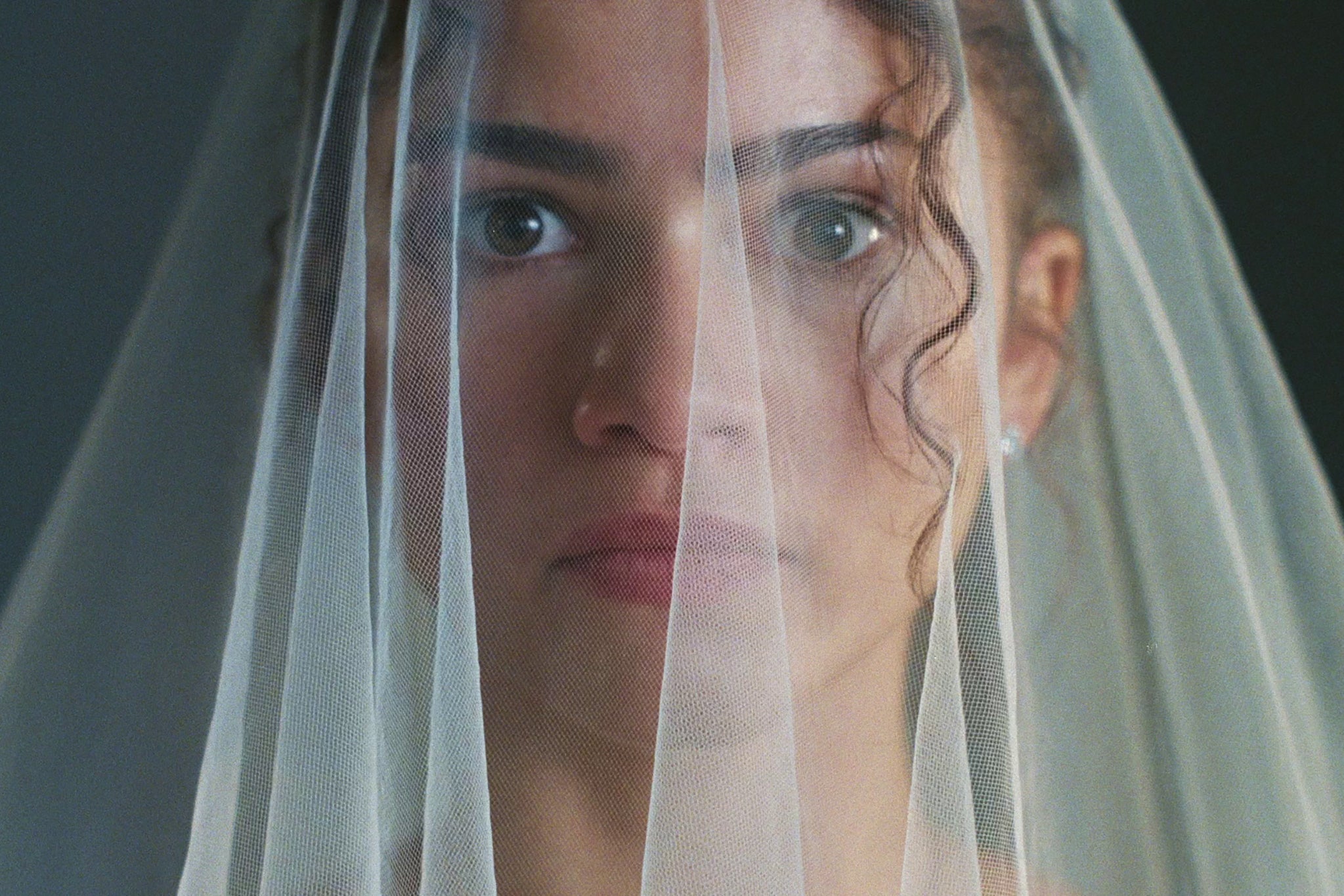 Something new: Zendaya in ‘The Drama’ (A24)
By the present day, has she changed? Is she a meaningfully different person from her gun-loving teen self? These are the questions that ought to form the crux of Charlie’s moral dilemma, but Emma gives us nothing by way of answers. So they just hang there. Zendaya’s character hardly seems riddled with remorse or complex lingering pathologies. Perhaps this is in itself a satirical point – the idea that America has become so inured to gun violence that even school shootings are now part of the prosaic and unstimulating everyday, requiring no extraordinary evil or fanaticism. But on a narrative level, it creates a void. Zendaya isn’t playing a character; she’s playing a thought experiment.
None of the characters in The Drama are particularly multi-dimensional, but most are easy to parse – skeletal personalities blobbed with enough backstory to make them appear vaguely human-shaped. There’s a logic to them, even in their contradictions. We know that Charlie is dishonest, when it serves him – he lies about reading a book to land a first date with Emma – but that he has enough shame to later admit the truth. We know that the maid of honour Rachel (Alana Haim) has a mean, irresponsible streak, but a staunch disgust when it comes to Emma’s school-shooting fantasy. One of The Drama’s best-executed scenes sees Charlie interact with his colleague Misha (Hailey Benton Gates); over the course of one conversation, we glean her ambient self-hatred, which then quickly manifests in messy sexual acquiescence. All these characters are more intelligible, more real, than Emma is ever allowed to be.
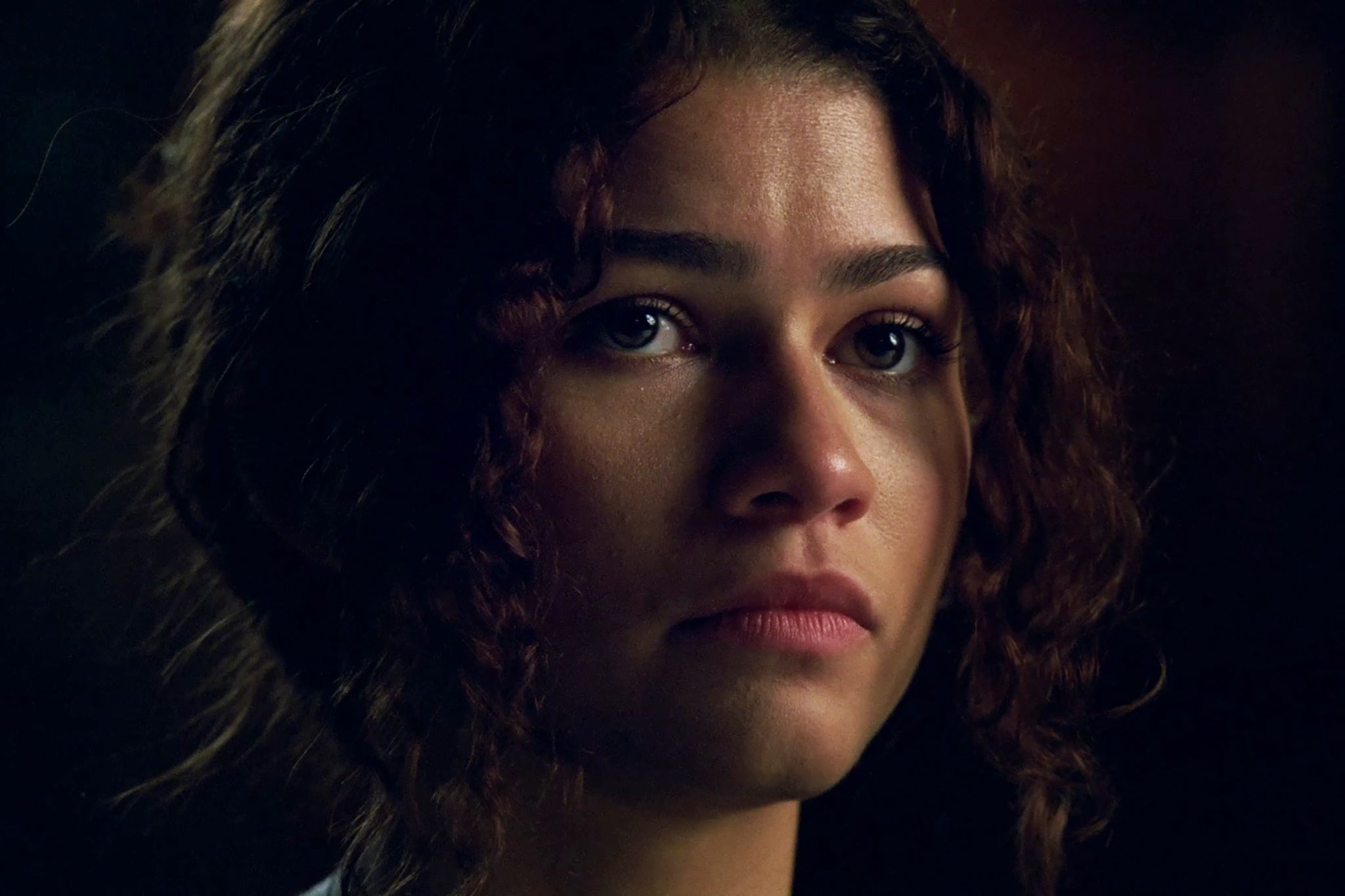 Something blue: Zendaya in ‘The Drama’ (A24)
This sort of stubborn wooliness does not serve Zendaya’s strengths as an actor, either. The 29-year-old can be a terrific presence with the right material (Challengers and Dune: Part Two, for eg), and she’s one of the only young actors around who seems to have legitimate box office clout. (The Drama made back its budget within the first week, which testifies to that.) Hell, she was even undeniable in Marvel’s Spider-Mans, as the laconic, thoroughly modern MJ. There, it was a case of doing a lot with a little – in The Drama, she’s given a lot and instructed to do nothing with it.
In this way, it’s easy to agree with the film’s detractors. By stripping away the psychological realities of mass violence, The Drama ends up unavoidably diluting it. Is this gross insensitivity or fair artistic licence? That’s up to interpretation. But then, in The Drama, so is everything else.

Watch Apple TV+ free for 7 day
New subscribers only. £9.99/mo. after free trial. Plan auto-renews until cancelled.
Try for free
ADVERTISEMENT. If you sign up to this service we will earn commission. This revenue helps to fund journalism across The Independent.
Watch Apple TV+ free for 7 day
New subscribers only. £9.99/mo. after free trial. Plan auto-renews until cancelled.
Try for free
ADVERTISEMENT. If you sign up to this service we will earn commission. This revenue helps to fund journalism across The Independent.
‘The Drama’ is in cinemas