
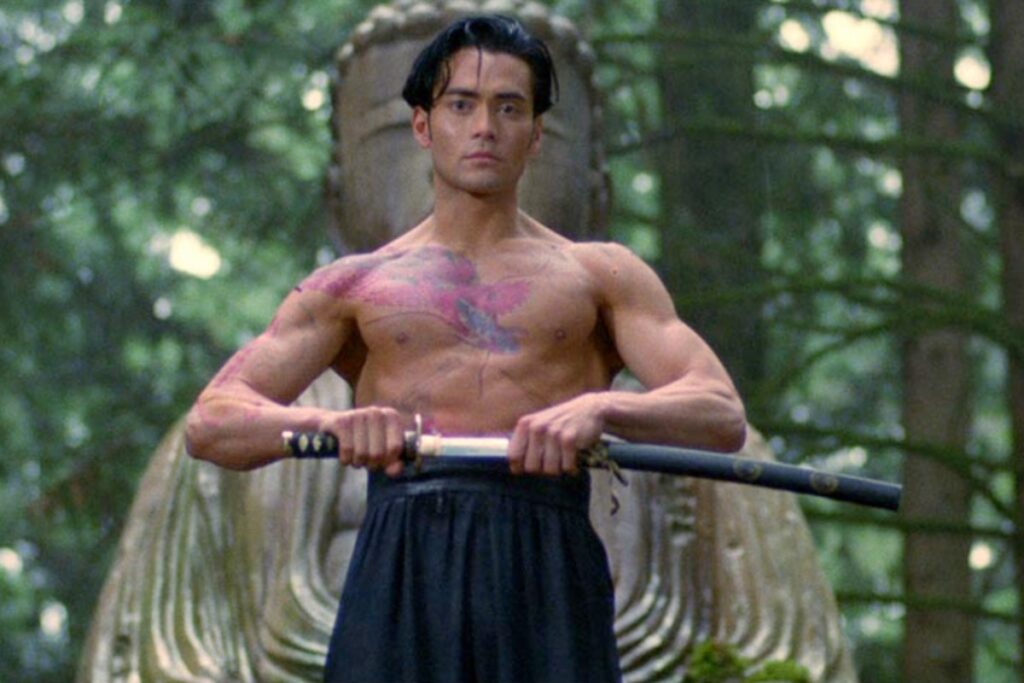
Before bullet time and gun-fu had names, a 90s cult curio stitched them into something lethal and unexpectedly tender. Why did the movie that quietly rewired modern action slip out of view while its heirs became legends?
Before sleek suits and neon-lit carnage defined the multiplex, a French manga adaptation quietly mapped the route. Christophe Gans’ debut, Crying Freeman, reached French theaters on April 24, 1996, with then-unknown Mark Dacascos and a heady blend of martial arts, romance, and erotica shaped by John Woo’s influence. Its slow motion ballets and gun fu vocabulary would echo through John Wick and The Matrix, even as the film slipped into cult territory. Three decades on, the fingerprints are still there for anyone willing to look closely.
A forgotten gem with lasting influence
In 1996, Christophe Gans’s Crying Freeman slipped into French cinemas with limited fanfare. The film didn’t storm the global box office, yet its echoes travel surprisingly far. You can trace its cool, precise gunplay in John Wick, and its dreamlike, smoky duels in The Matrix. How did this understated thriller plant seeds for modern action’s most polished spectacles?
From manga to the silver screen
Adapted from a 1986 manga by Kazuo Koike and Ryôichi Ikegami (a landmark of seinen pulp), Crying Freeman embraced the page’s sensual fatalism. For his debut, Gans fused Woo-style slow motion with painterly framing, trusting movement and texture to carry emotion. The result: sculpted action, erotic charge, and a tragic romance that refuses to blink.
A plot of deadly elegance
Painter Emu O’Hara witnesses a yakuza execution by the elusive assassin Yo, known as Freeman. Marked for death, she becomes entwined with him, an attraction rising where fear should settle. The film lingers on loyalty, identity, and intimacy under threat, letting silences and glances do the talking. Violence arrives like choreography, then recedes to reveal bruised tenderness.
The roots of modern action aesthetics
Crying Freeman helped codify a language later spoken fluently by John Wick: close-quarters “Gun Fu,” clean sightlines, and reloads treated as beats in a dance. Its operatic combat, glinting blades, and tailored silhouettes also prefigure The Matrix’s ritualized cool (3 years before The Matrix). The film turns motion into meaning, style into character.
Precision firefights that blend grappling, disarms, and center-mass shots
Iconic costuming and sunglasses, creating a stark, mythic visual grammar
Operatic staging: smoke, rain, and light used as partners in combat
A legacy worth rediscovering
Seen by around 600,000 viewers in France, Crying Freeman grew into a cult following rather than a juggernaut. Its fingerprints are everywhere, from Wick’s immaculate flow to the Wachowskis’ balletic tableaux. Mark Dacascos, so magnetic here, later faced Keanu Reeves in John Wick: Chapter 3 (2019), a neat circle of influence. Indeed, Gans’s film remains a moody, beautiful key to modern action’s DNA.