
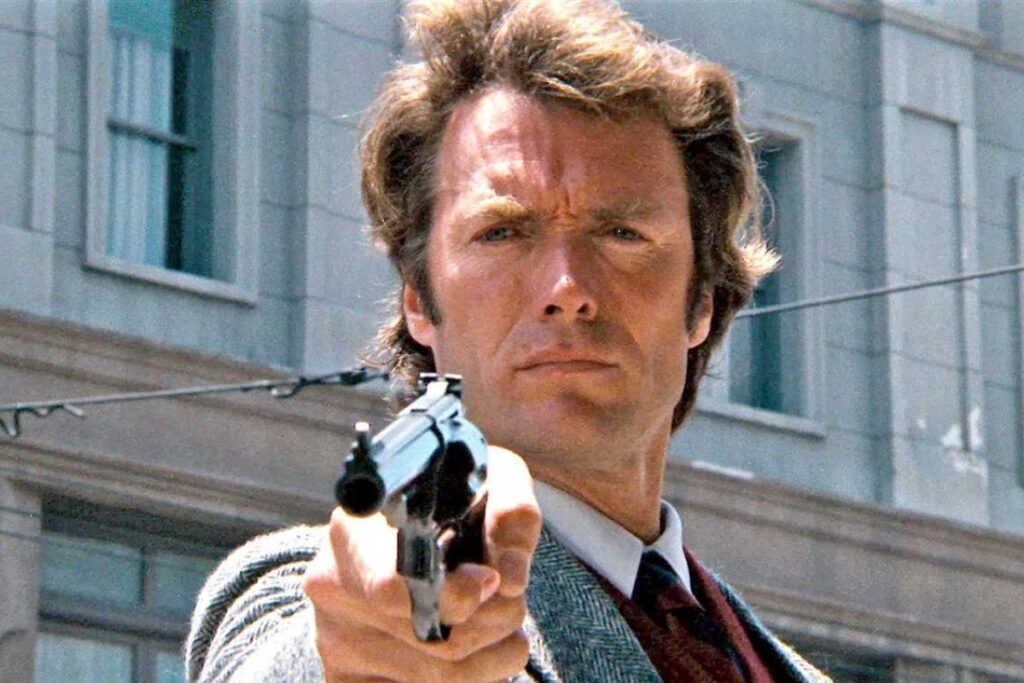
The badge that recast Clint Eastwood’s image was offered to a very different kind of leading man first. Which conviction made him refuse, and what did that single no unleash for the next 56 years?
When Paul Newman walked away from a cop role on ideological grounds, Clint Eastwood stepped in and rewired his screen persona. With Don Siegel behind the camera, the gritty thriller sparked a five-film run and minted a new American antihero. Fifty-six years later, Harry Callahan’s footprint still marks the culture, and the tantalizing what-if of Newman saying yes lingers in the margins.
Stepping into Harry Callahan’s shoes
About 56 years ago, Clint Eastwood made a choice that would reshape his career and ripple through American cinema. Known for tough-edged Westerns like The Good, the Bad and the Ugly, he stepped into the role of San Francisco inspector Harry Callahan. The film, released by Warner Bros in 1971, sparked a 5-film saga and reframed the grit of 1970s thrillers for a broad US audience.
Paul Newman’s surprising decline
Before Eastwood, the script reached Paul Newman, who turned it down. He reportedly bristled at the character’s brand of justice and its political overtones, a stance consistent with his public values. That decision cleared the lane for Eastwood, a rising box-office presence then, whose steely restraint and coiled intensity matched the story’s volatile mood.
Eastwood’s perspective on justice and grit
Eastwood saw Harry differently. In a 2018 Entertainment Weekly interview, he explained that he didn’t read Callahan as a right-wing statement so much as a blunt response to violent crime. His performance balanced weary pragmatism with eruptive force, capturing a country debating law, disorder, and responsibility. The result was polarizing and potent, a charismatic anti-hero that audiences couldn’t ignore.
An alternate Hollywood history
Had Newman accepted, the character might have skewed more introspective, less severe. Eastwood, instead, delivered a stripped, unapologetic style that electrified the genre and kept the franchise viable across 2 decades. The canon remains a quick study in how star persona shapes narrative tone:
Dirty Harry (1971)
Magnum Force (1973)
The Enforcer (1976)
Sudden Impact (1983)
The Dead Pool (1988)
Cultural legacy of a 1970s icon
Dirty Harry didn’t just change a career, it reframed the cop drama. It fueled ongoing conversations about vigilantism, civil liberties, and the line between justice and abuse of power (debates that still echo in film criticism). The character’s language, silhouette, and attitude seeded countless imitators, proving how a single, charged role can redefine Hollywood’s playbook for decades.