
 TLC Forever
*It doesn’t take much for the internet to spiral—especially when politics and celebrity collide.
One snippet, one rumor, one vague comment, or one out-of-context clip can be enough to send social media into full meltdown mode. Before anyone confirms what was actually said—or whether it was said at all—the reactions are already flying, timelines are already split, and public opinion starts moving faster than the facts.
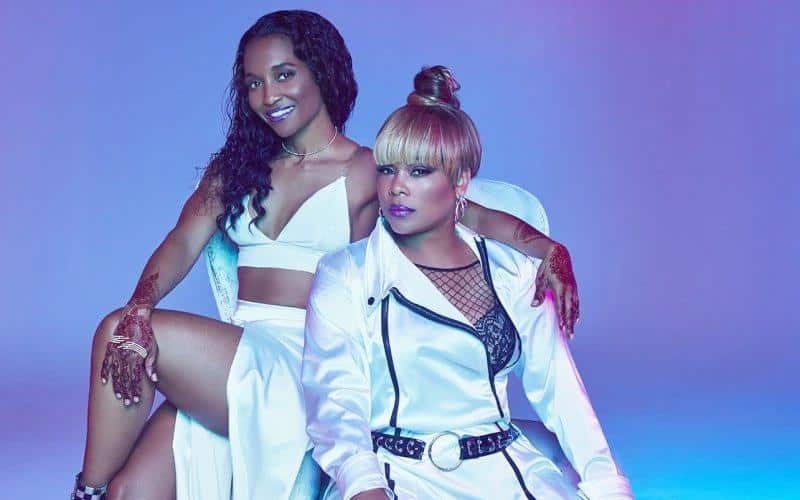
A recent wave of online chatter involving singer Chilli of the R&B group TLC is the latest example of how quickly unverified claims can spread and take on a life of their own. Within hours, speculation began circulating across social platforms—despite the lack of confirmed, publicly verifiable sourcing.
That pattern has become increasingly familiar in the social media era, where celebrity political rumors spread with a speed that would have been almost impossible just a few years ago. And once a claim catches fire online, it rarely stays small for long.
When Speculation Becomes the Main Event
The problem isn’t just that rumors spread. It’s that they often become the main event before anyone stops to ask basic questions: Where did this come from? Who said it? Was it public? Was it verified? Was there context missing?
By the time those questions show up, many people have already chosen sides. The rumor becomes emotionally real long before it is factually confirmed. In that environment, perception starts doing the heavy lifting, and the original source almost becomes irrelevant.
That’s how online chatter turns into a controversy cycle. The internet doesn’t always wait for proof—it reacts to the possibility of a story, especially when the subject involves politics and a well-known name.
Why Fans Take It So Personally
Celebrity rumors hit harder when politics are involved because politics no longer feel distant or abstract. For many people, political identity is deeply personal. It shapes values, friendships, and even the media they support. So when fans believe a public figure may hold views they don’t agree with, the reaction can feel immediate and emotional.
That response is often even sharper when the celebrity has built a long relationship with a specific audience. Fans don’t just consume the music, movies, interviews, or performances—they build a sense of connection. They feel like they know the person. And when politics enters that relationship, some fans see it as betrayal, while others see it as nobody’s business.
Either way, the emotional charge is already there. Social media just accelerates it.
The Extra Pressure on Black Celebrities
For Black celebrities in particular, the pressure can be even more intense. Public expectations are often heavier, and audiences may assume political alignment on certain issues whether the celebrity has addressed them or not.
That creates a narrow lane. If a public figure speaks, they may face backlash. If they stay quiet, people may fill in the blanks themselves. And if a rumor surfaces—verified or not—the conversation can quickly shift from curiosity to condemnation.
In many cases, the backlash is less about what has been proven and more about what people believe could be true. That’s a dangerous place for any public conversation to land.
Social Media Rewards Speed, Not Caution
Part of the problem is structural. Social platforms reward emotion, immediacy, and conflict. A measured response rarely travels as fast as outrage. A nuanced take almost never outperforms a scandalous headline or a shocking claim.
That means people who post first often shape the story, even if they don’t have the full truth. By the time anyone tries to slow things down, the algorithm has already picked its winner.
And once people begin reposting, reacting, and adding their own assumptions, the story becomes harder to unwind. Even if the original claim turns out to be incomplete, misleading, or flat-out wrong, the damage may already be done.
Silence Gets Interpreted Too
Another reason these moments explode is that silence itself is now treated like evidence. If a celebrity doesn’t respond quickly, some people assume the rumor must be true. Others assume a denial is strategic rather than sincere. In other words, every move—and every non-move—gets interpreted through suspicion.
That leaves very little room for caution, privacy, or even simple refusal to engage. In the current media climate, many celebrities are expected to clarify themselves instantly, even when the underlying claim may not deserve oxygen in the first place.
But that expectation says as much about the audience as it does about the person at the center of the rumor.
The Bigger Issue Isn’t Always the Rumor
At a certain point, the bigger story is no longer the rumor itself. It’s the culture that makes these stories explode the way they do.
Why are people so eager to believe the worst? Why does political speculation about public figures travel faster than verified information? And why has the line between curiosity, entitlement, and outrage become so thin?
Those questions matter, because this cycle is bigger than any single celebrity. It reflects a media environment where identity, politics, and fandom are constantly crashing into one another—and where unverified chatter can become public narrative overnight.
What This Says About the Moment We’re In
The truth is that celebrity political rumors aren’t really just about celebrities. They’re about projection. They’re about tribalism. They’re about audiences trying to sort public figures into personal categories that feel emotionally safe.
And in that kind of atmosphere, facts can become secondary to feeling. Once that happens, the story stops being about what was actually said and starts becoming a referendum on what people want to believe.
That may be great for engagement, but it’s a terrible standard for truth.
In a culture where perception often moves faster than proof, the real issue isn’t always the rumor itself. It’s how quickly the internet decides a rumor is close enough to fact—and how hard it is to undo that once the reaction machine gets going.
Do fans expect too much transparency from celebrities when it comes to politics—or is that simply part of the responsibility that comes with influence? Scroll down and leave your answer in the comments.
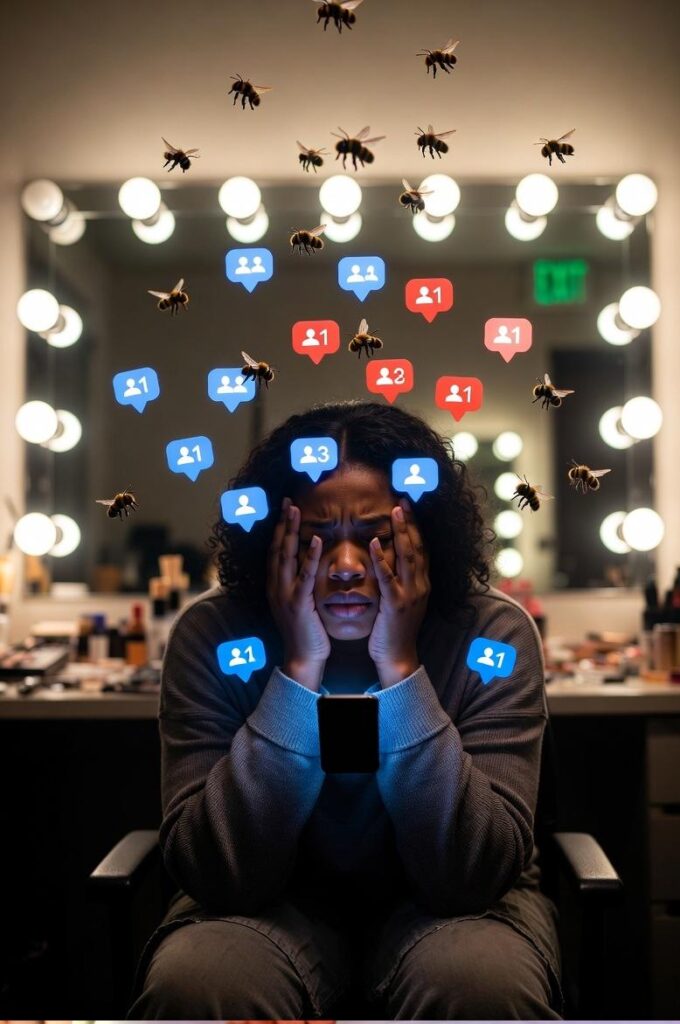
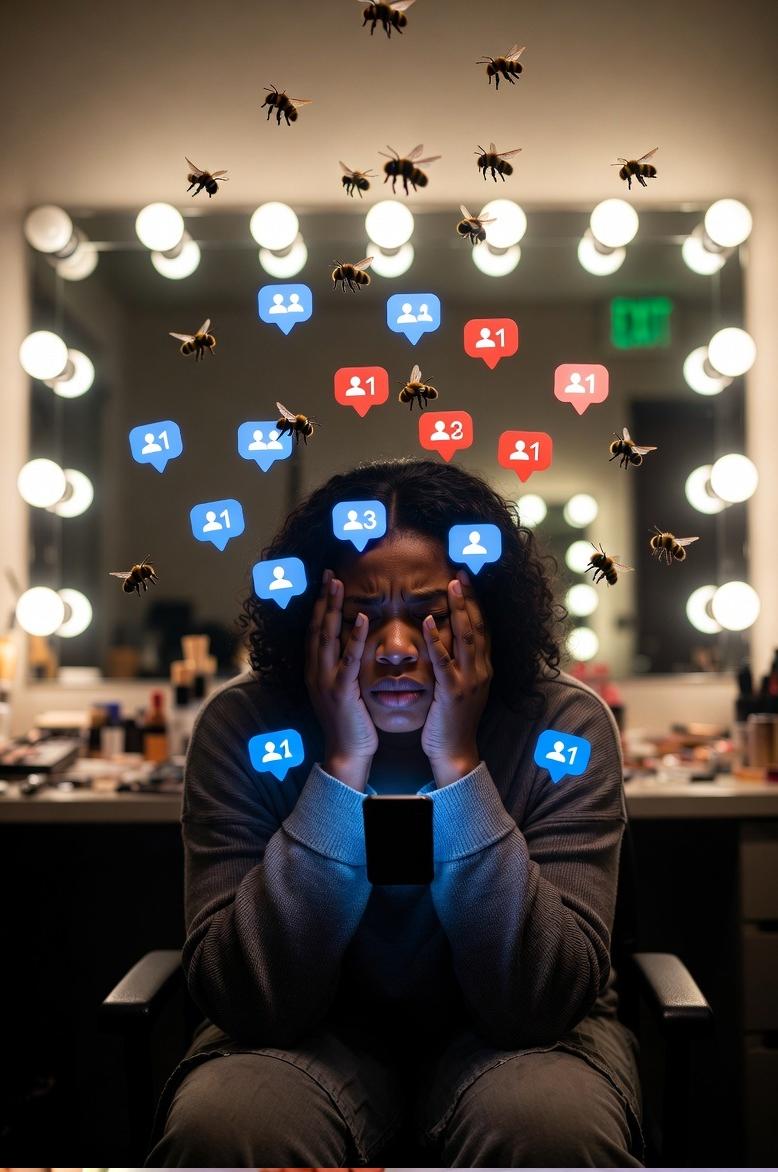 When speculation becomes reality before anyone checks facts – eurAI
(If You Like/Appreciate This EURweb Story, Please SHARE it!)
MORE NEWS ON EURWEB.COM: Chilli Addresses Backlash Over Trump-Linked Donations
We Publish Breaking News 24/7. Don’t Miss Out! Sign up for our Free daily newsletter HERE.