
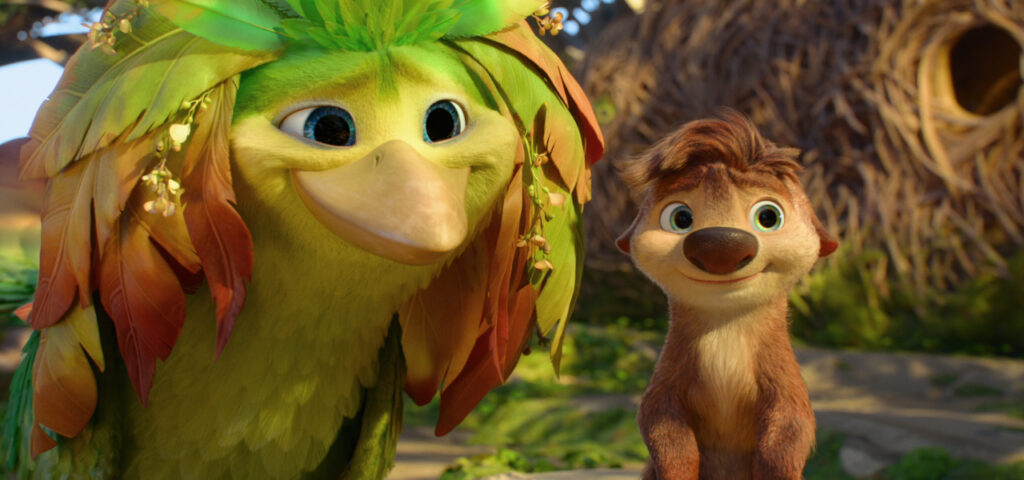
Story artist and director Nathan Greno spent his formative years at Walt Disney Animation Studios. Recruited by the Mouse House before he could even graduate from Columbus College of Art and Design, Greno’s first job in Burbank was doing clean-up on Mulan. Finding more of an affinity for story development, he shifted gears to become a story artist, where he had a hand in features such as Brother Bear (2003), Meet the Robinsons (2007), Bolt (2008), and eventually co-directed the hit Tangled (2010) with Byron Howard.
A year after his next Disney feature, Gigantic, was shelved in 2017, Greno jumped ship to join the brand-new Skydance Animation to develop and direct animated features. His first project was the original Powerless, which he helped rework into what was titled Pookoo and is now Swapped, debuting globally May 1 on Netflix.
In the first of our two-part Cartoon Brew conversation with Greno, the Swapped director discusses his learning curve at Skydance Animation, the “maturing” of his new home studio, and working closely with Skydance Animation Madrid, formerly Ilion Animation Studios.
 Nathan Greno
Before Greno’s move to Skydance in 2018, he spent 22 years evolving his animation career at WDA, so it was the only culture he knew. “I actually dropped out of college and went to Disney, so I was there forever,” Greno explains. “But the interesting part with Disney was that Disney changed quite a bit while I was there, including when John [Lasseter] came in. So I saw Disney go through a lot of different evolutions, almost to the point where it felt like a new studio at times, depending on who was in charge.”
When he was offered the position at Skydance Animation by then president of Animation and Family Entertainment Bill Damaschke, Greno said he saw it as an opportunity to “blue sky” what the fledgling studio could be.
“There are challenges to that, and I think the studio is still growing,” he says of its nine years of existence. “It’s still maturing, for sure, with each project. I saw this happen at Disney, too. As you go from project to project, there’s a maturity that happens. With Skydance, that’s one of the most exciting things. There’s a little part of me that always regrets not going to Pixar coming out of college because you saw the evolution of the thing. There was something exciting to me about going somewhere where this is not a known studio.”
Greno now has that at Skydance Animation, though he is shaping it with many former Disney peers alongside him, including Peggy Holmes, Brad Bird, and the current head of animation, John Lasseter.
“There’s a support system there, and I’ve been really excited, honestly, about that,” Greno says. “One of the challenges that’s different than Disney is that we work with our production studios in Madrid. We’re working with people in all these different time zones.
“I’m not a morning person,” he half-jokes. “But now I’m finding myself waking up early. I do a lot more traveling, which is exciting and fun. One of the most gratifying things is to see the Madrid studio and how they have just gotten more into the process. They were a vendor studio, and they treated things in a vendor way. They aren’t vendors now.”
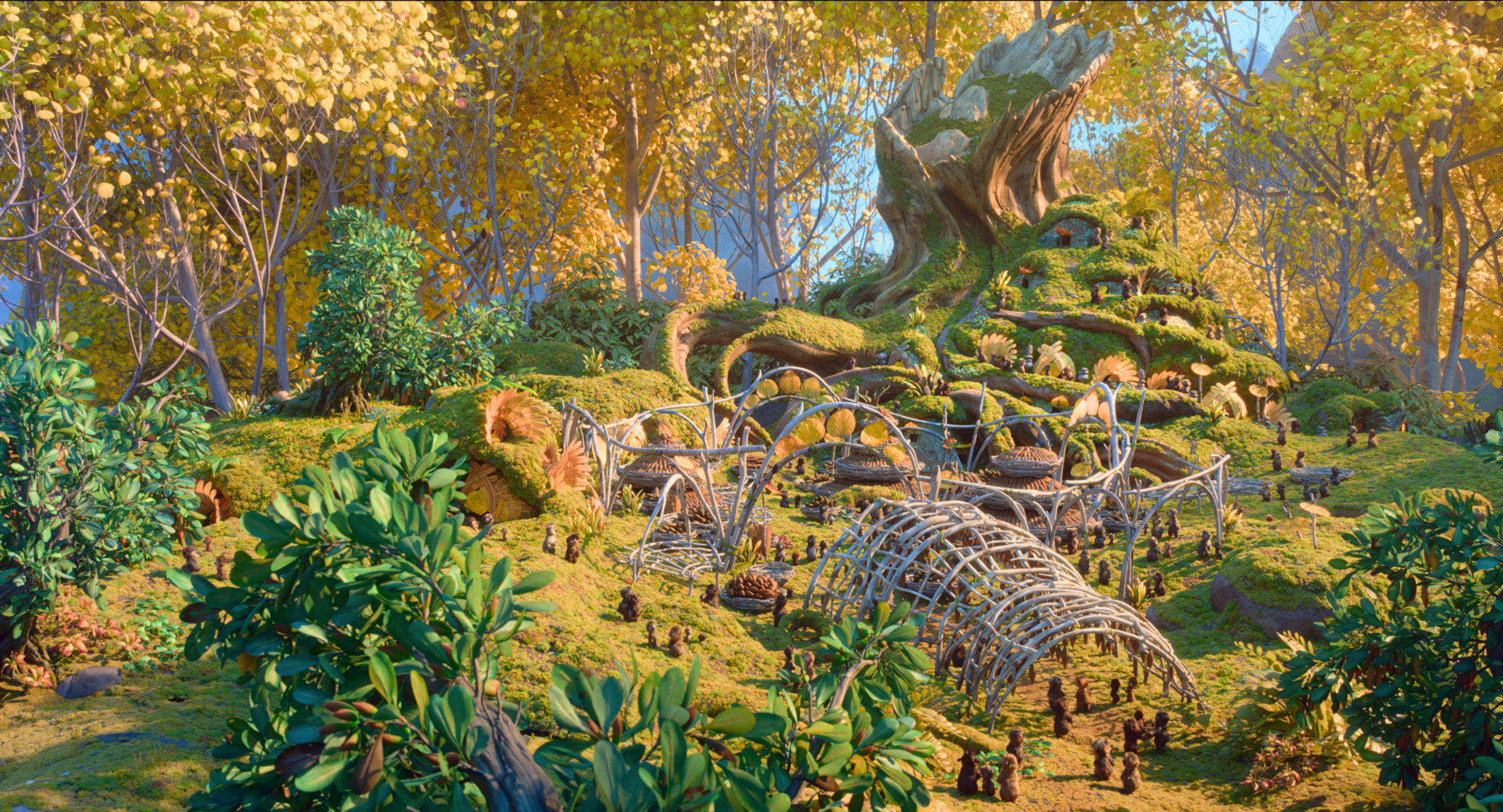
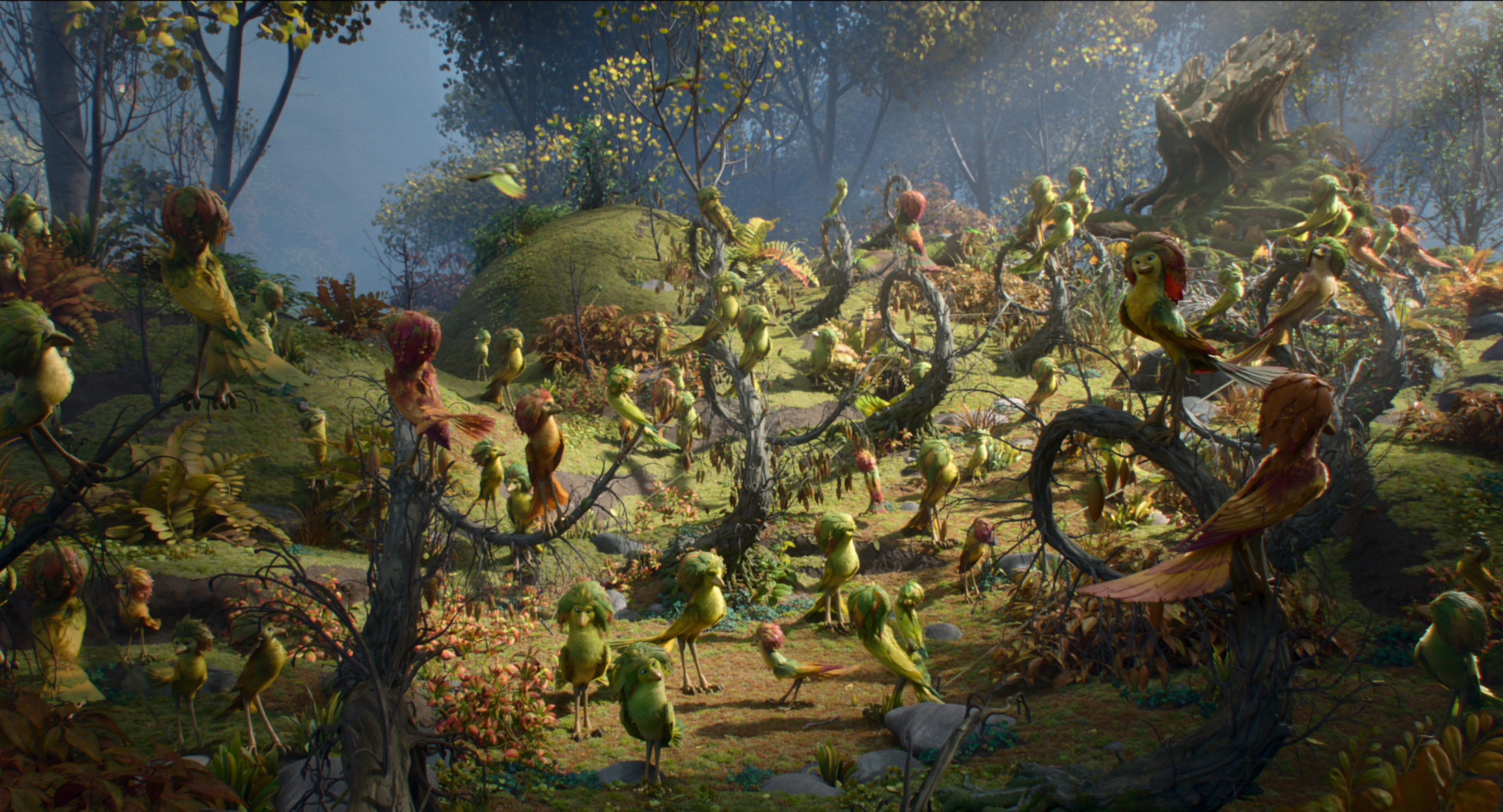 Greno says he has witnessed and been part of Skydance Animation Madrid’s growing ownership of creative leadership during Swapped’s production. “To see the ownership, that’s one of the most important things to me. To see the ownership that a studio can have when you’re not a vendor, and really own the work and build on it. To the point where whatever I envisioned as the idea, to see them run with something and make it even better than what I was pitching, that’s the most gratifying.”
As the director of Swapped, Greno says he has tried to bring over not just what he learned on Tangled and his shorts at Disney, but also the best practices of his directing peers. “The directors I always liked to work with are people who make space for others and allow ownership. To me, that’s such an important thing.
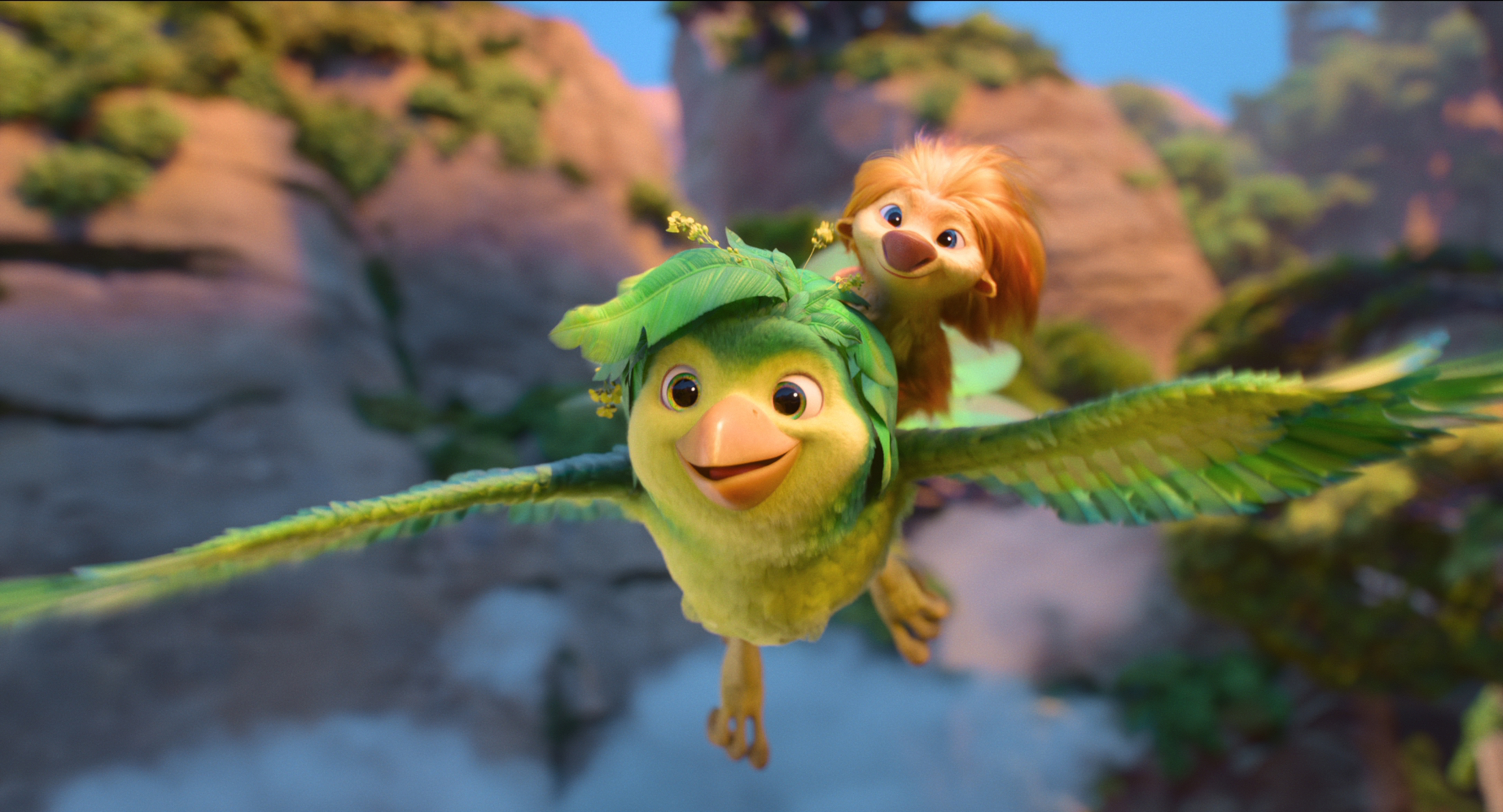
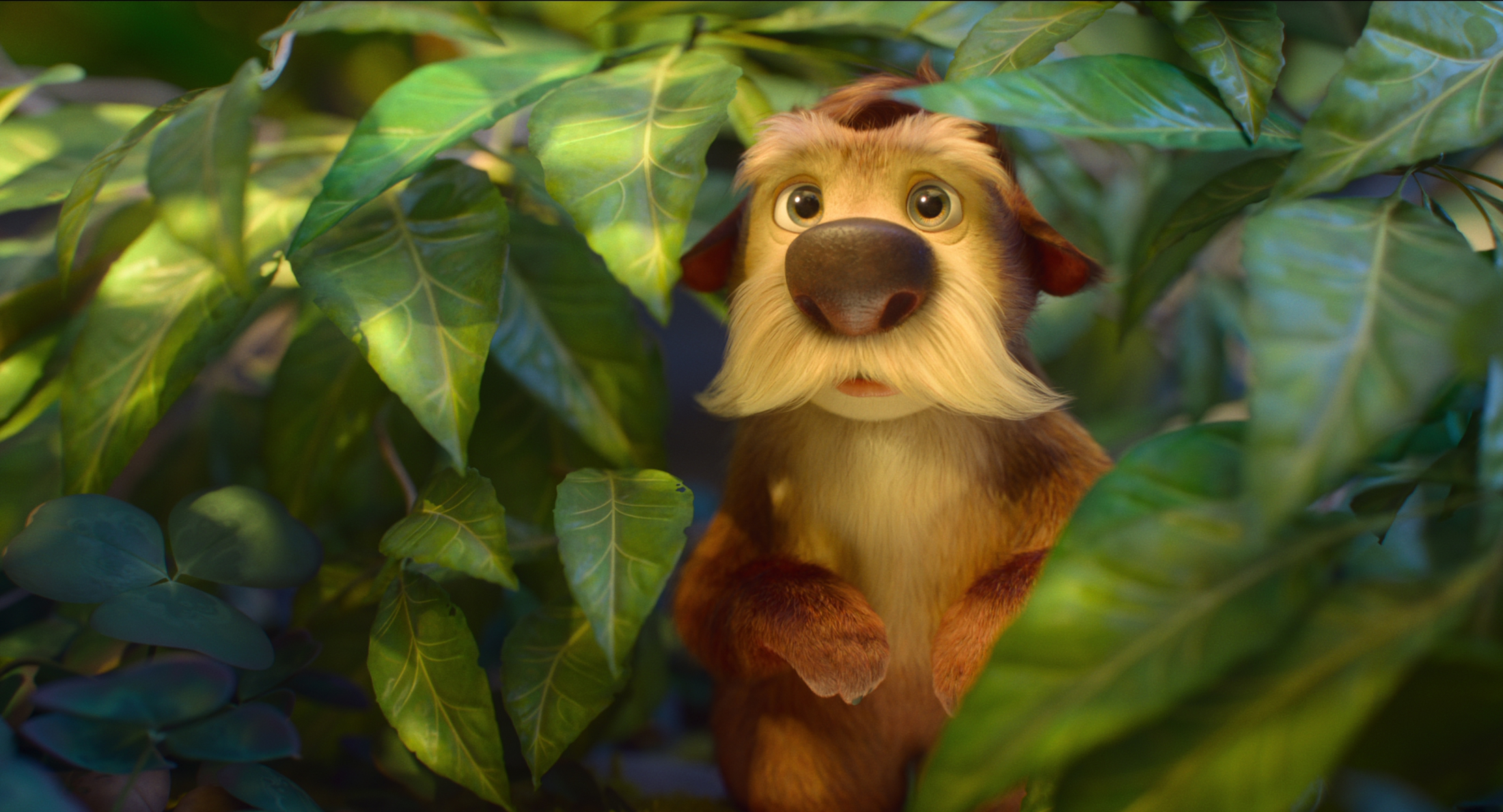
“There’s no scorecard at the end of a movie,” he continues. “There’s no ‘Well, this idea came from me.’ No one cares, as long as the movie works. So if we can set our egos aside, if we can just be open-minded to other ideas, I think that’s where you’re going to get the best results. And honestly, I came up through the story department. I am not the world’s greatest layout artist. I am not the world’s greatest animator, and I let those people do their jobs. I bring the ‘Here’s the direction we’re going in, everybody. Here’s the vision.’ But let them have the space to do what they need to do.”
He says he has certainly experienced the opposite, where he felt the pressure to hit the imaginary “bullseye on a dartboard” to satisfy someone’s idea of perfectionism. “I’m like, ‘Perfection to who? The person in charge?’” he recalls thinking. “Animation, to me, is a team sport, and the more we allow it to be a team sport, the better we are.”