
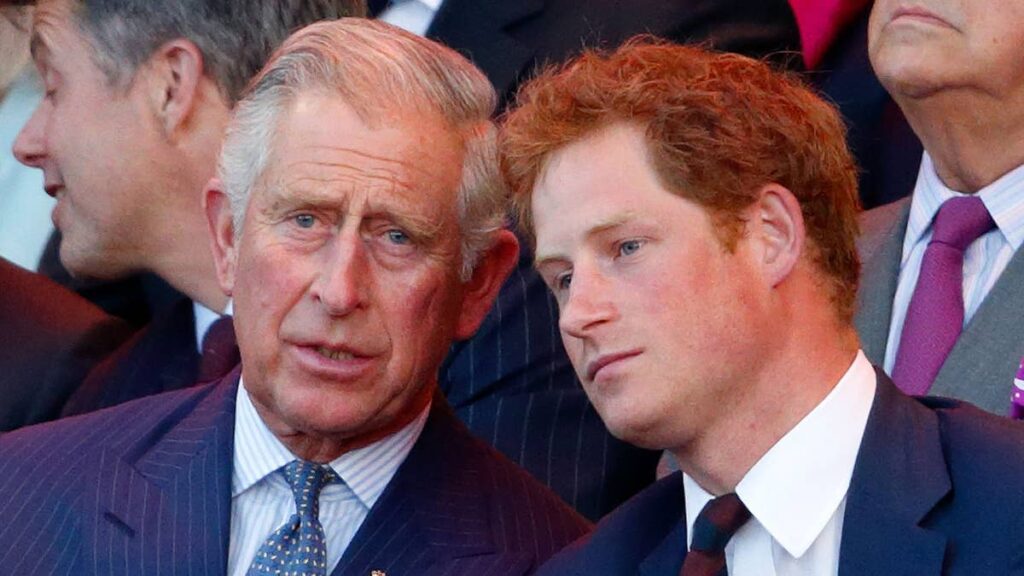
King Charles has never known a life out of the spotlight, but he prioritises privacy when he can, particularly at his royal residences.
While he predominantly spends time at Clarence House with his wife Queen Camilla, he sporadically escapes London life with a trip to one of his country homes, all of which have rules and restrictions designed to protect senior members of the royal family.
In the case of the King’s Sandringham estate, where Andrew Mountbatten-Windsor was recently forced to relocate, there is a permanent no-fly zone over a large portion of the 60-acre estate, which was extended for Andrew’s sake.
Years ago, in 2007, Charles’ youngest son, Prince Harry, broke this rule as part of his training as a Forward Air Controller (FAC), which sparked a surprising reaction from his father.
WATCH: Inside King Charles’ magical Sandringham estate
In his bombshell autobiography, Spare, Harry recalled that he needed to master 28 combat controls, and chose to practice at the “remote” Sandringham estate, where he knew his cover would not be blown.
Despite Charles giving him “space” while he trained, as he reportedly remained tied up in his “newlywed phase” with Camilla two years after their 2005 wedding, he decided to visit when he saw a Typhoon aircraft “doing low passes along the seawall.”
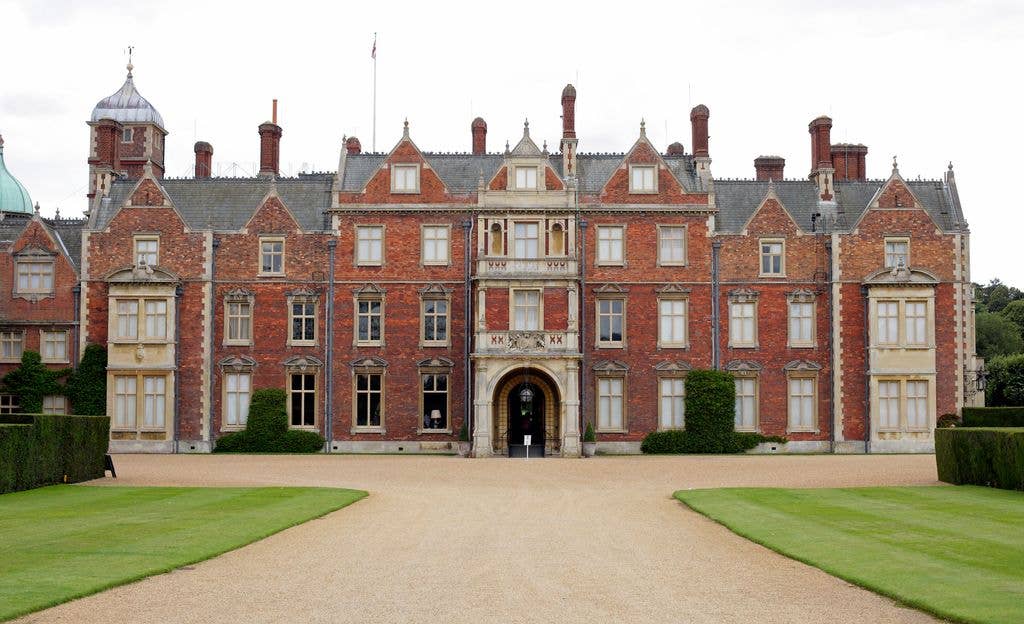 © Getty ImagesSandringham estate and house has been in the British royal family since 1862
Harry penned: “He found me in the marshes, on a quad bike, talking to a Typhoon some miles off. While I waited for the Typhoon to appear in the sky overhead we had a quick chat. He said he could see how good I was getting at this new job. Above all, he could see how hard I was working at it, and that delighted him.”
Appreciating the work thanks to his history as a helicopter pilot, Charles “loved” witnessing the “ungodly speeds” of the low-flying planes, even if they did anger neighbours.
“I mentioned that the good citizens of Wolferton didn’t share his enthusiasm. A ten-thousand-kilo jet roaring just over their tiled roofs didn’t exactly cause jubilation. RAF Marham had received dozens of complaints. Sandringham was supposed to be a no-fly zone. All complaints were told: Such is war.”
Charles reportedly said: “Yes, yes, darling boy, back to work.”
Sandringham rules
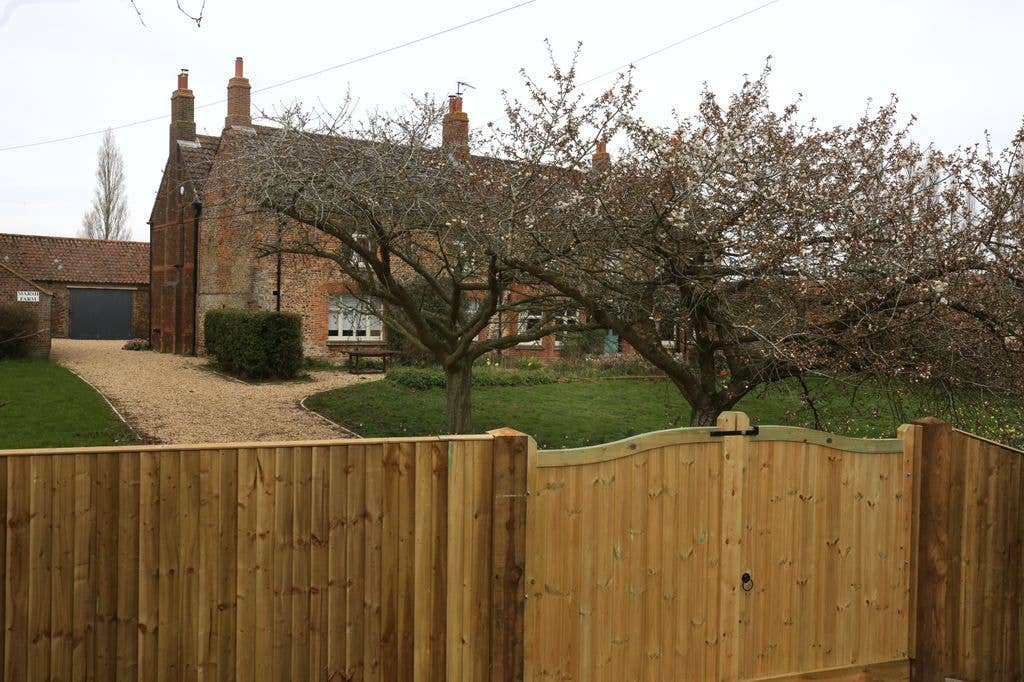 © Getty ImagesAndrew Mountbatten-Windsor lives at Marsh Farm on the Sandringham estate
While residents largely benefit from the no-fly rule, there are other guidelines at the King’s Norfolk estate that may not please everyone.
Queen Elizabeth II reportedly introduced a “no cats policy” to protect local wildlife like pheasants, which is still followed today.
Dogs, however, are considered on a “case-by-case” basis, which is why Andrew was pictured walking to his new home Marsh Farm with the late monarch’s beloved corgis, whom he took on following her death in 2022.
Meanwhile, barbecues remain off-limits in the public areas, as they present potential fire hazards to the 20,000-acre surroundings, much of which is woodland and farmland.
“There are plenty of areas and spaces to picnic in the Royal Parkland. BBQs are not permitted anywhere on the Estate,” the FAQ section reads.
Since a handful of camping and glamping accommodations are exempt, provided the barbecue is raised from the ground, it is assumed that residents can enjoy al-fresco dining within the private boundaries of their property.